Predators Mammal Vulnerable (IUCN)

Cheetah

Acinonyx jubatus Kiswahili: Duma

A daylight hunter built for acceleration, best watched on the open Serengeti and Ndutu plains.

Where to look
Serengeti National Park and Ndutu Ngorongoro Conservation Area Tarangire–Manyara ecosystem Ruaha and parts of the southern circuit
Best time
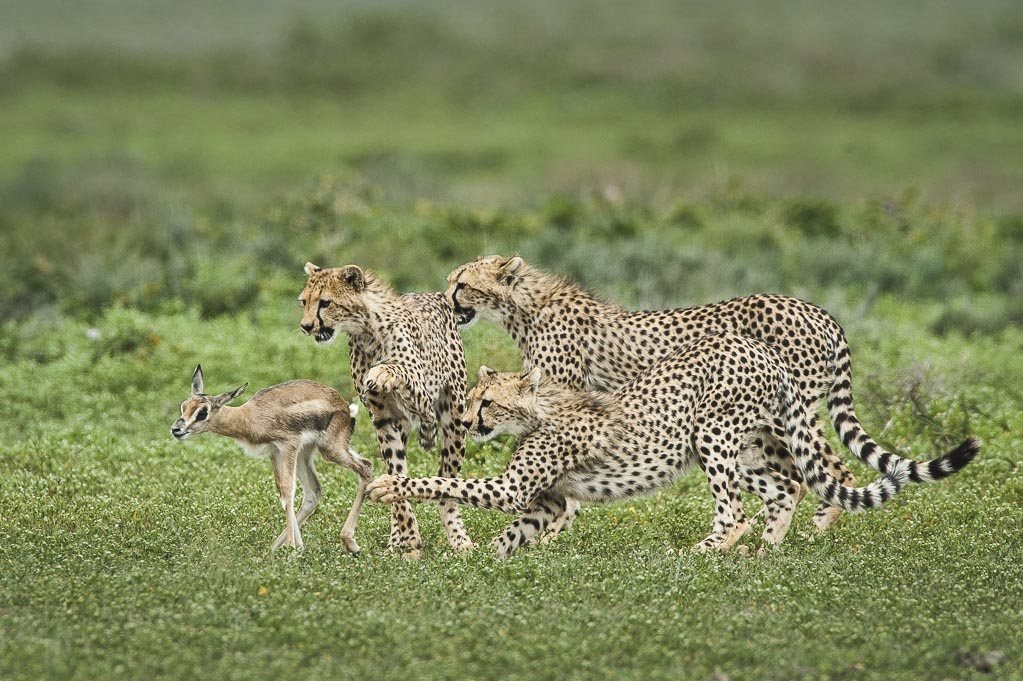
Year-round on open plains; January–March in Ndutu is excellent for predator activity around newborn antelope.
Habitat
Open grassland, lightly wooded savanna and semi-arid plains with sightlines, stalking cover and medium-sized prey.
All Tanzania wildlife

Species profile

About the cheetah

Cheetahs depend on visibility and space. Tanzania’s open plains let them scan for gazelle, stalk using every fold in the ground, then unleash a short high-speed pursuit. Unlike lions and leopards, they avoid prolonged conflict and may surrender a kill to stronger competitors.

The Serengeti–Ndutu landscape is one of the best places to study females with cubs and male coalitions in natural hunting habitat.

Life in the wild

Behavior & relationships

Behavior

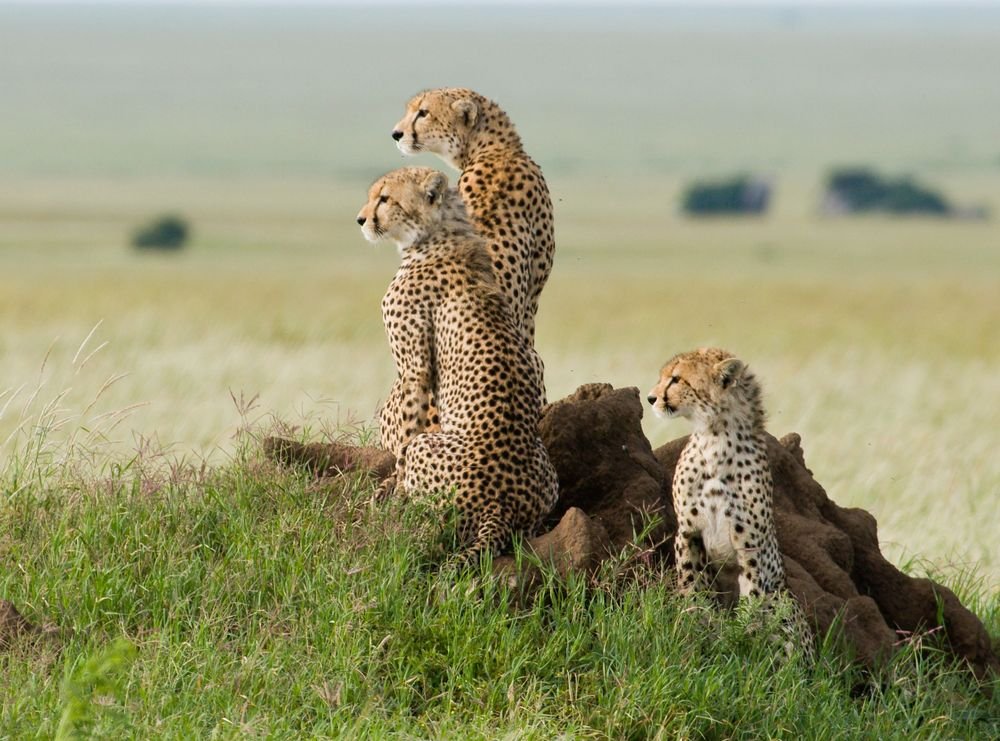
Mostly hunts in daylight, particularly morning and late afternoon. Uses raised ground, termite mounds and vehicles as vantage points.

Social life

Females are usually solitary except with cubs. Brothers often remain together in coalitions that defend territories and improve hunting success.

What makes it remarkable

Special features

Fastest land animal over a short sprint. Semi-nonretractile claws provide grip, while the long tail works as a counterbalance in sharp turns.
From guidebook to game drive

Safaris that go where the cheetah lives

All safaris

Matched on the parks this species is recorded in. A sighting is never guaranteed — these are simply the itineraries that put you in the right places.

See it responsibly

Plan a Tanzania safari around the wildlife you love.

Tell our Arusha team what you hope to see. We will match the season, parks and pace to your interests.