Shared Group Safari
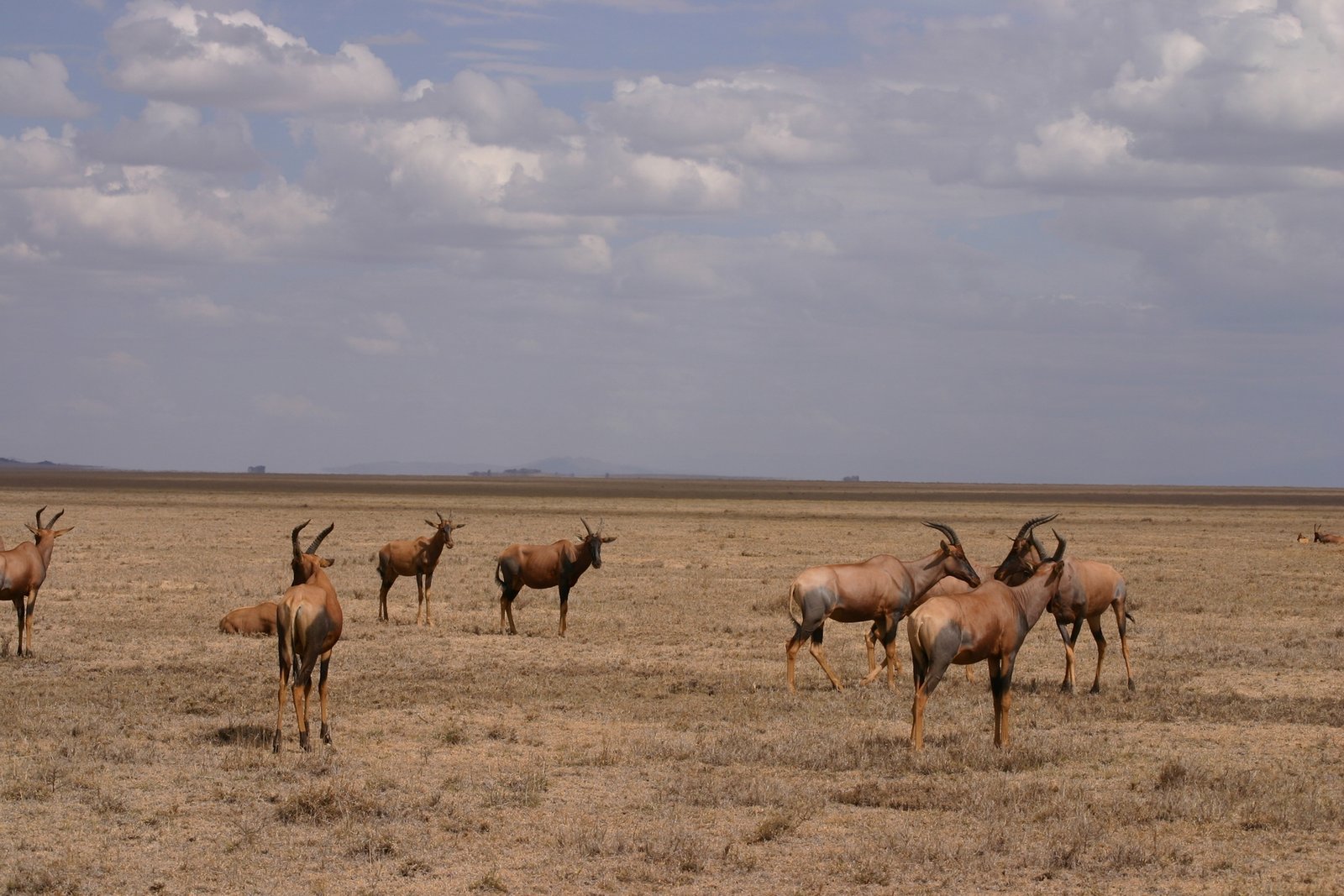
Join a small scheduled departure — a maximum of six travellers per vehicle, and a window seat for every single person.
Read more Splendor Safari
Everything worth understanding before you book a Tanzania safari — the difference between a shared and a private vehicle, what a tented lodge is really like, when the migration reaches the Mara River, and what a visa actually costs. Written plainly, by the people who run the trips.
42 insights
Shared, private or built from scratch — how your safari is put together.
Join a small scheduled departure — a maximum of six travellers per vehicle, and a window seat for every single person.
Read more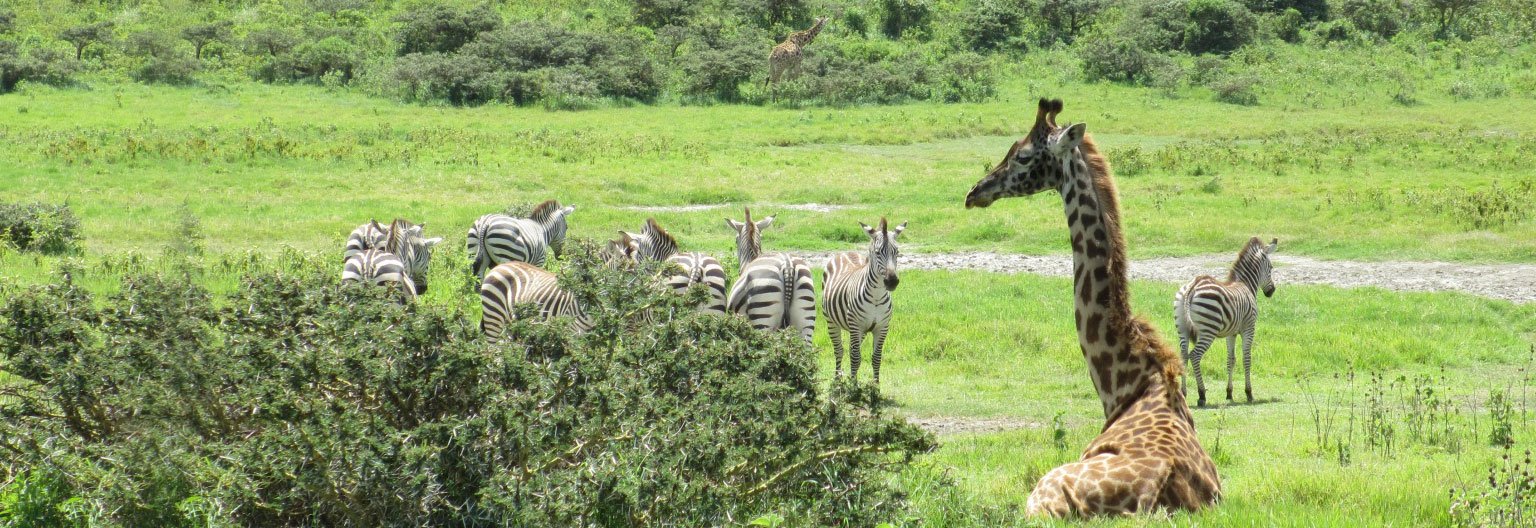
The vehicle, the guide and the itinerary belong to your party alone — leave when you like, stay as long as the lions do.
Read moreTanzania is one of the easiest places in Africa to safari alone — here is how the seat, the room and the cost actually work.
Read moreStart from any of our itineraries and move the pieces — days, parks, camps, comfort level — until the trip is yours.
Read moreShorter driving days, family rooms, patient guides and parks that reward young eyes.
Read more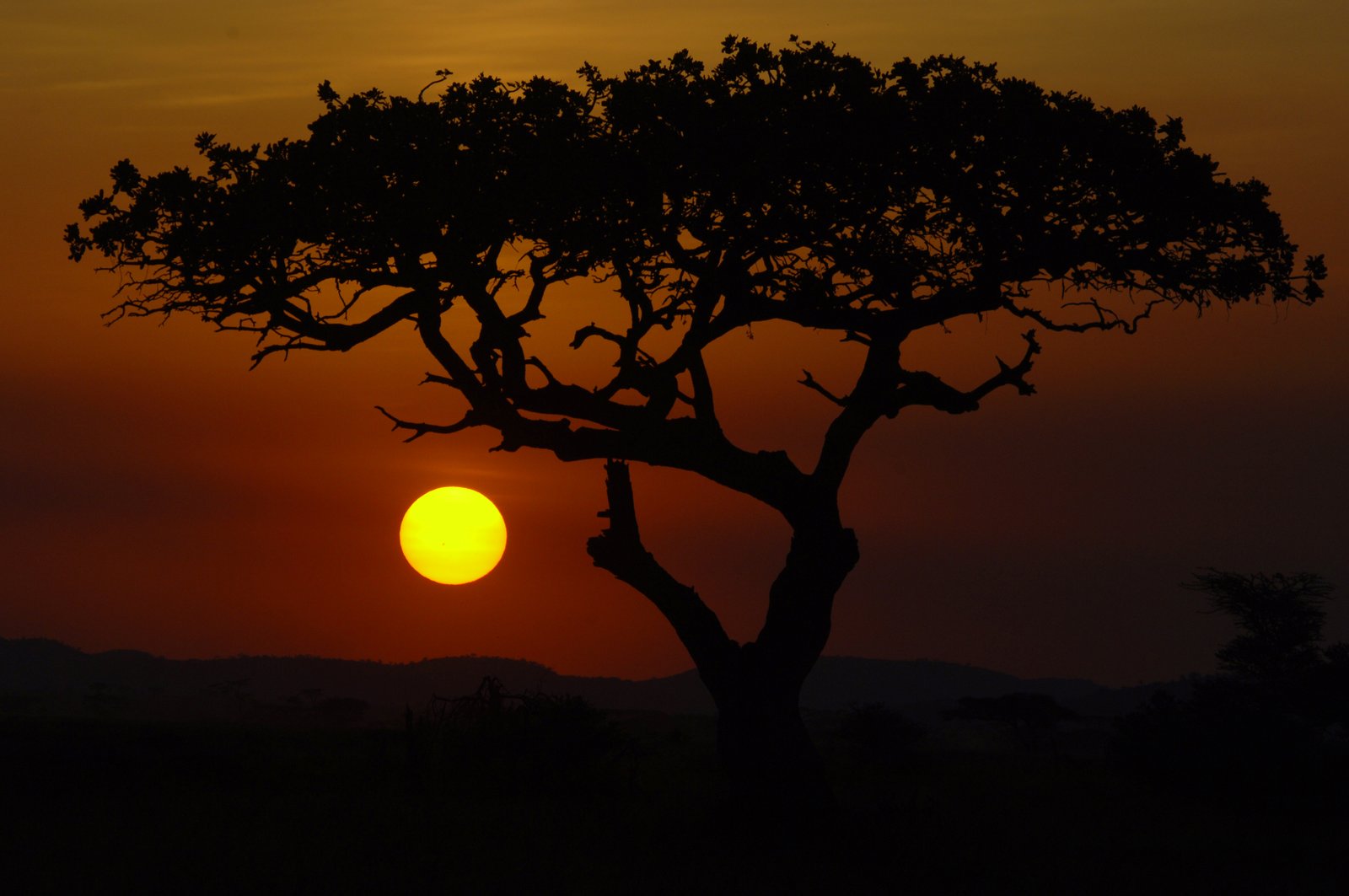
Private vehicles, bush dinners, sundowners and a beach at the end of it.
Read moreFrom a dome tent under the stars to a canvas suite with a plunge pool.
Permanent stone-and-timber lodges with proper rooms, hot water, power and a pool — comfort at the edge of the wild.
Read moreCanvas walls, a real bed and a proper bathroom — the sound of the bush with none of the roughing it. Built light, built green.
Read more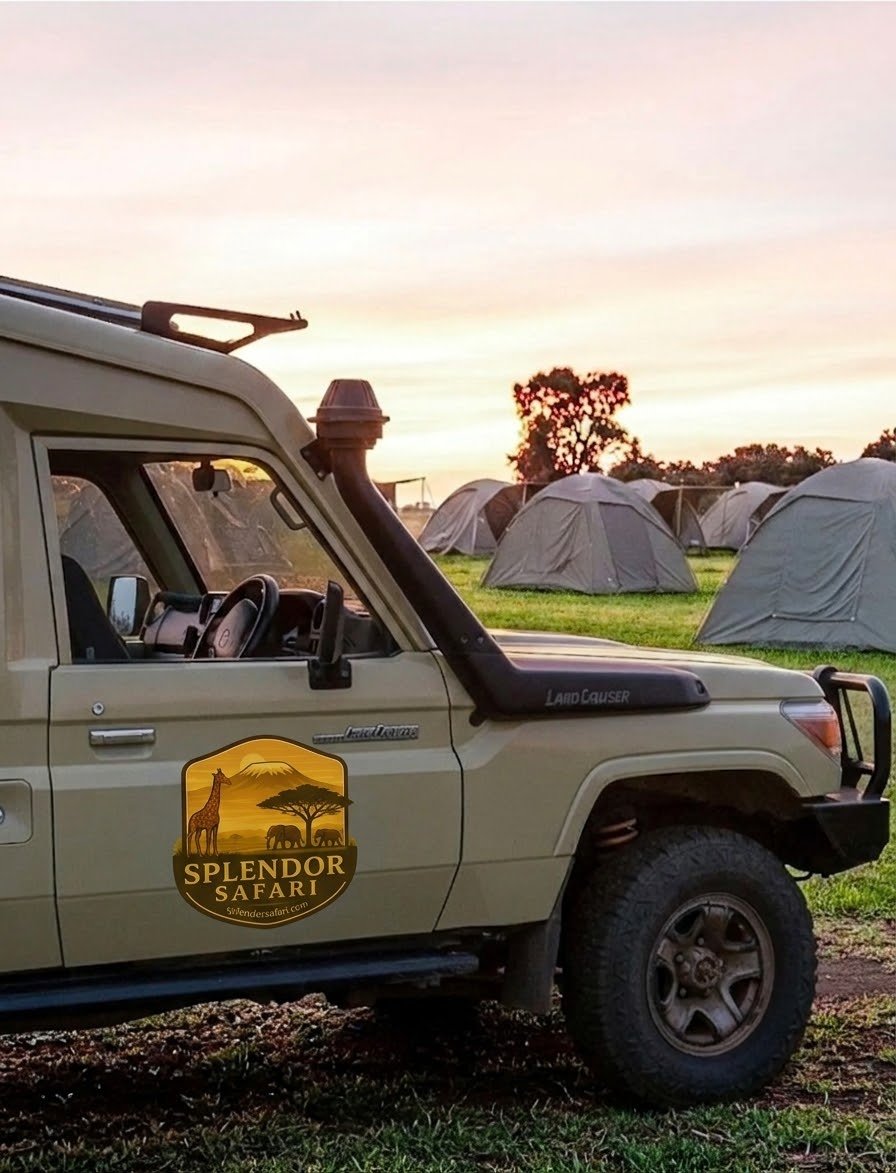
Dome tents, a camp cook, a fire and the Milky Way — the cheapest way to go and, for many, the most memorable.
Read more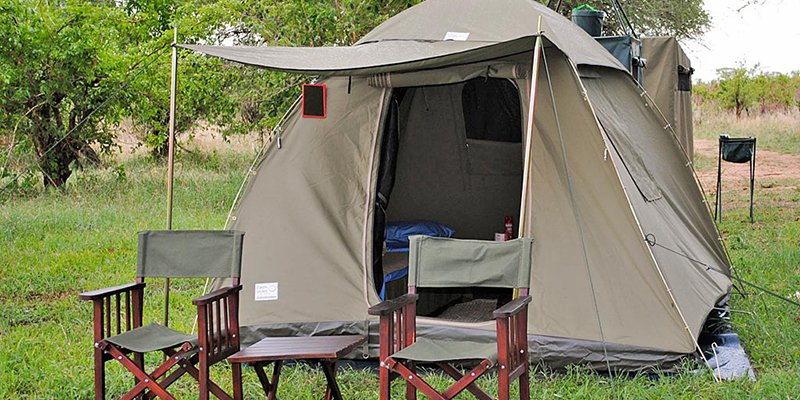
Camps that pack up and follow the migration, so you wake where the herds are rather than driving to them.
Read moreSuite-sized tents, private plunge pools, a butler and a wine list — in the middle of a national park.
Read more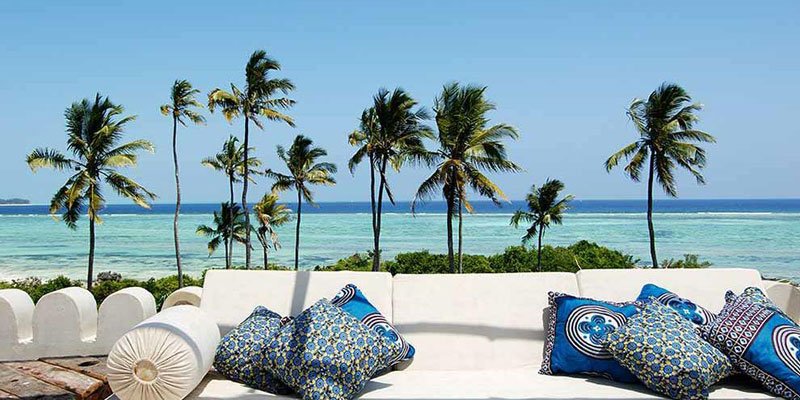
The natural end to a safari — white sand, warm ocean and nothing at all to do for a week.
Read more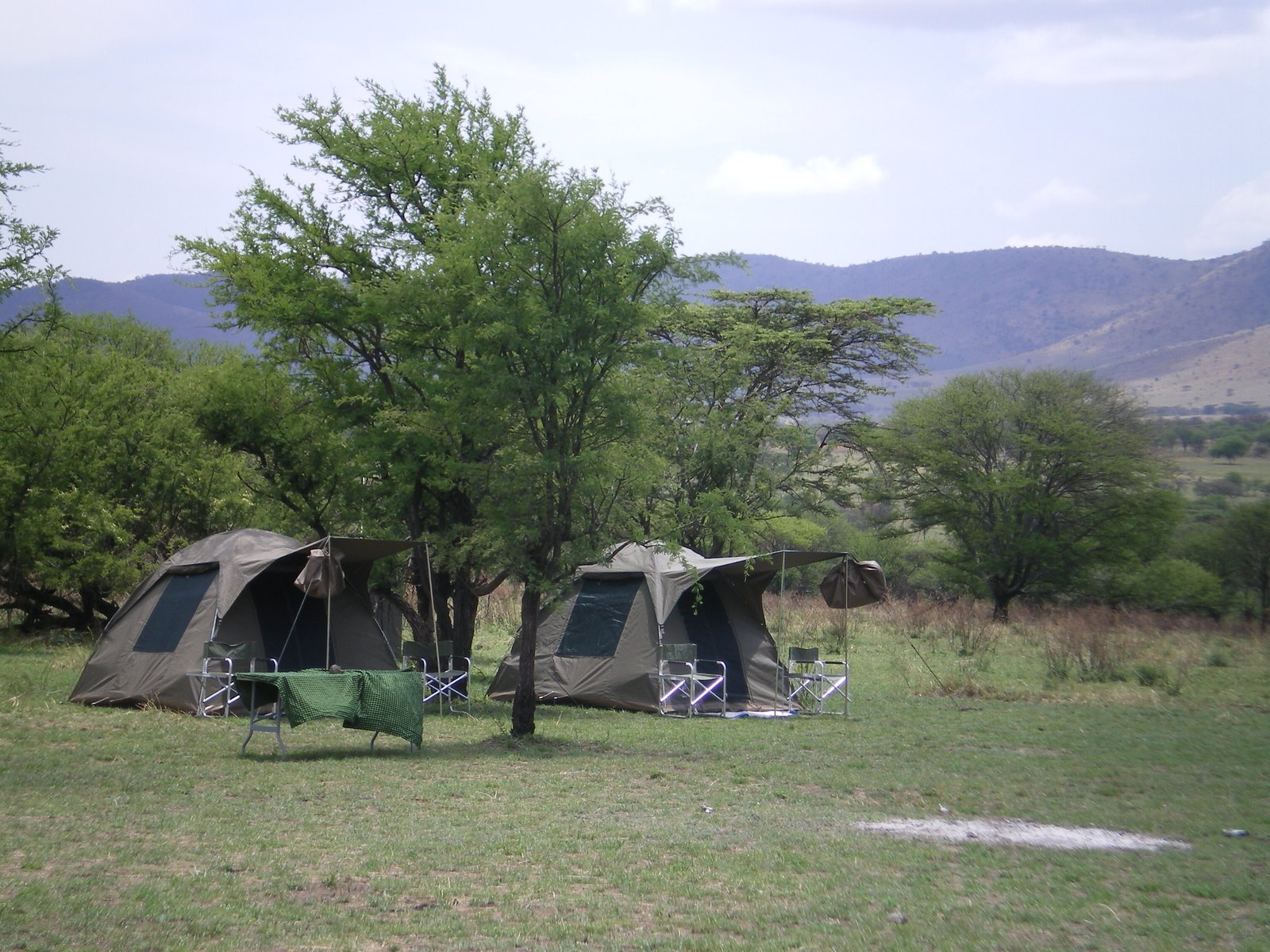
Solar power, no concrete, refillable water and community rent — how the best camps sit lightly in the landscape.
Read moreWhat each price level actually buys you out in the parks.
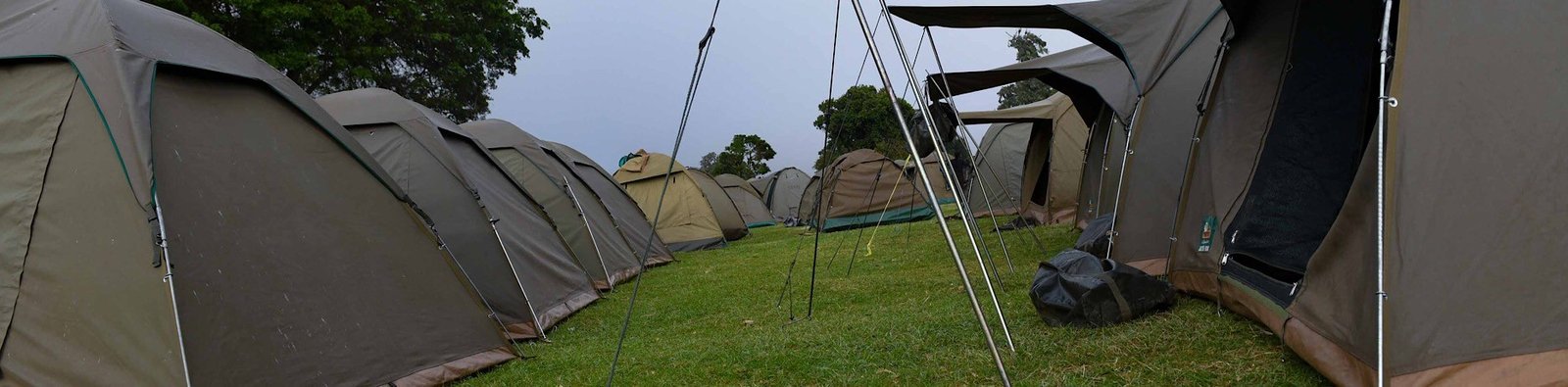
Camping or simple guesthouses, shared vehicles and honest food — the same parks and the same animals for far less.
Read more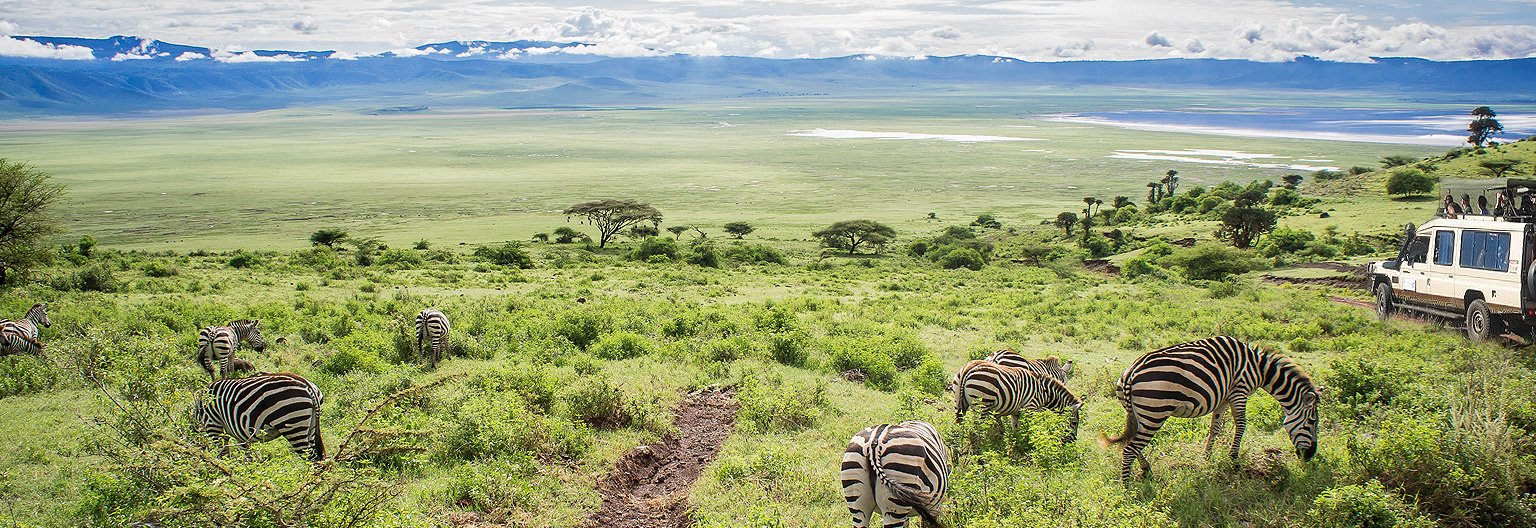
Comfortable lodges and tented camps, en-suite rooms and a pool — the level most travellers choose.
Read moreSmaller camps, better locations and attentive service — a clear step up without the top-tier price.
Read moreSmall, exceptional camps in private locations, with a guide, a vehicle and a chef who are yours.
Read morePrivate villas, whole-camp bookings, private aircraft and an itinerary written from a blank page.
Read moreAirports, bush flights, transfers and the vehicle you will live in.
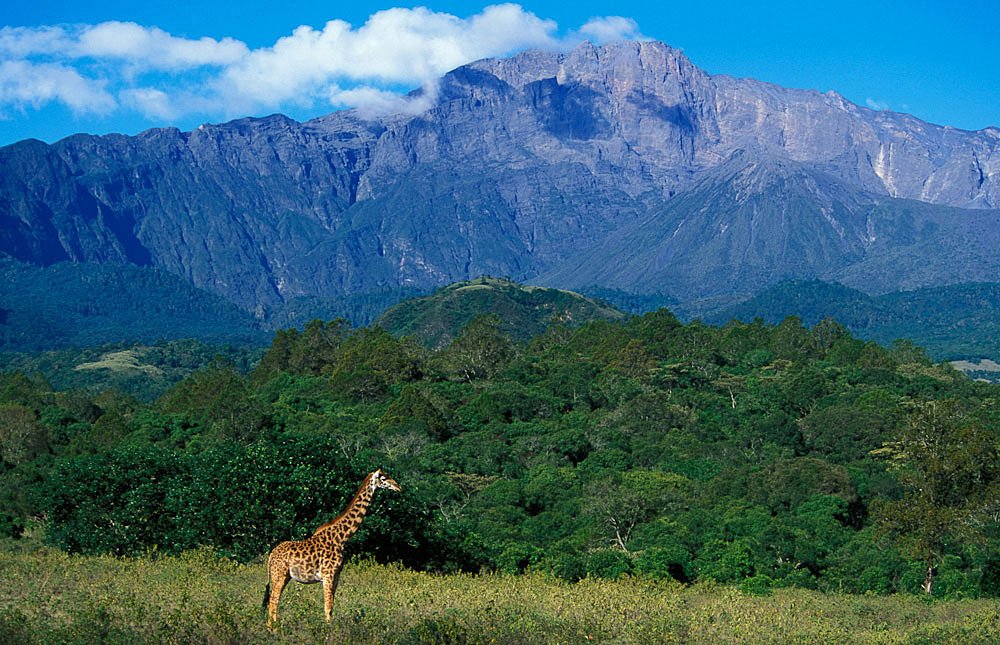
Which airport to fly into, how long the transfer takes, and what happens the moment you land.
Read moreWho flies to Tanzania, when to book, and why we quote your safari without the airfare.
Read moreLight aircraft between the parks — short hops on gravel strips that turn a six-hour drive into forty minutes.
Read moreSkip the long transfer days entirely — fly straight into the parks and spend your time on game drives instead of gravel roads.
Read more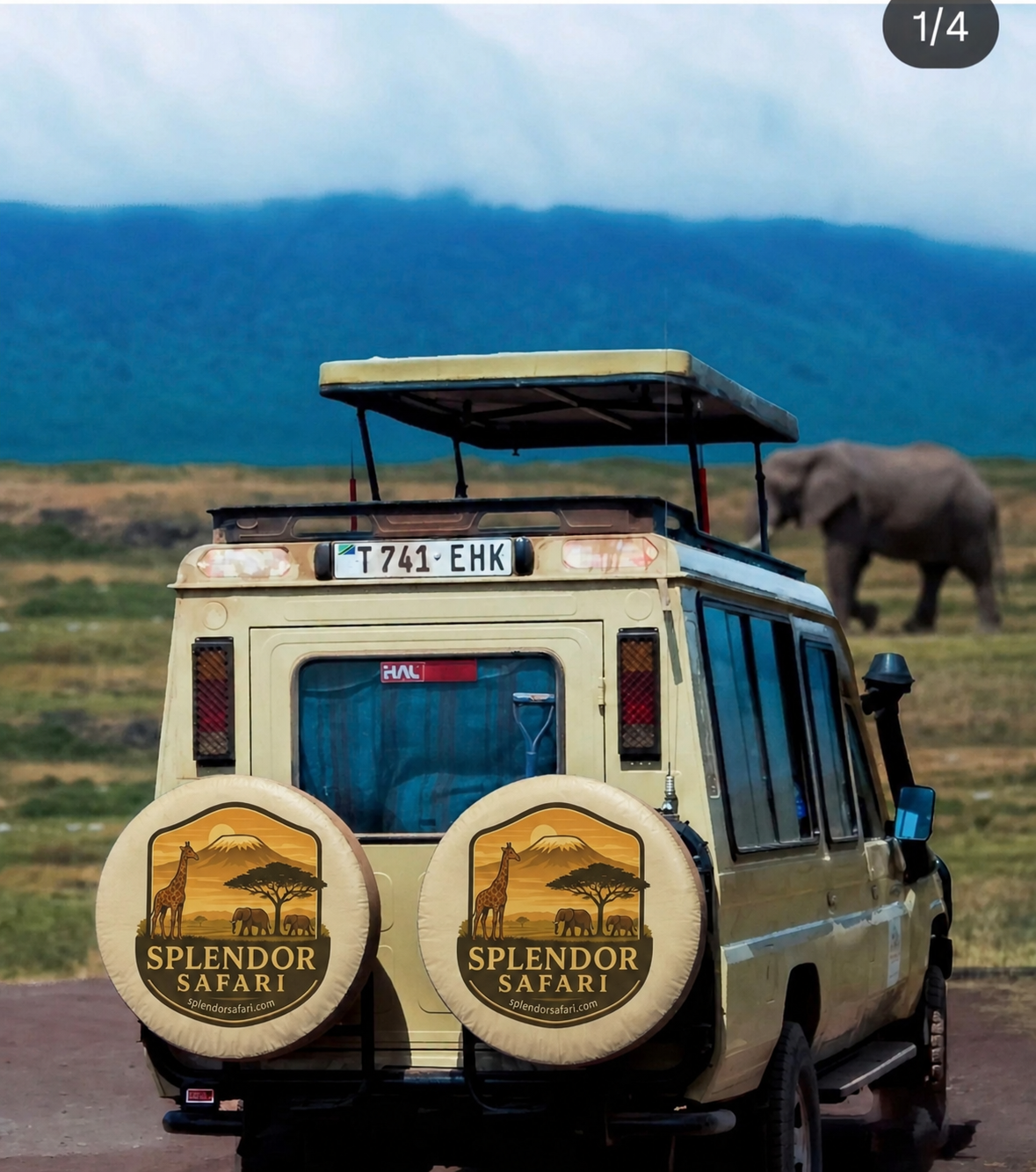
One guide, one vehicle, the whole way — the Rift Valley escarpment, Maasai villages and the road unrolling in front of you.
Read more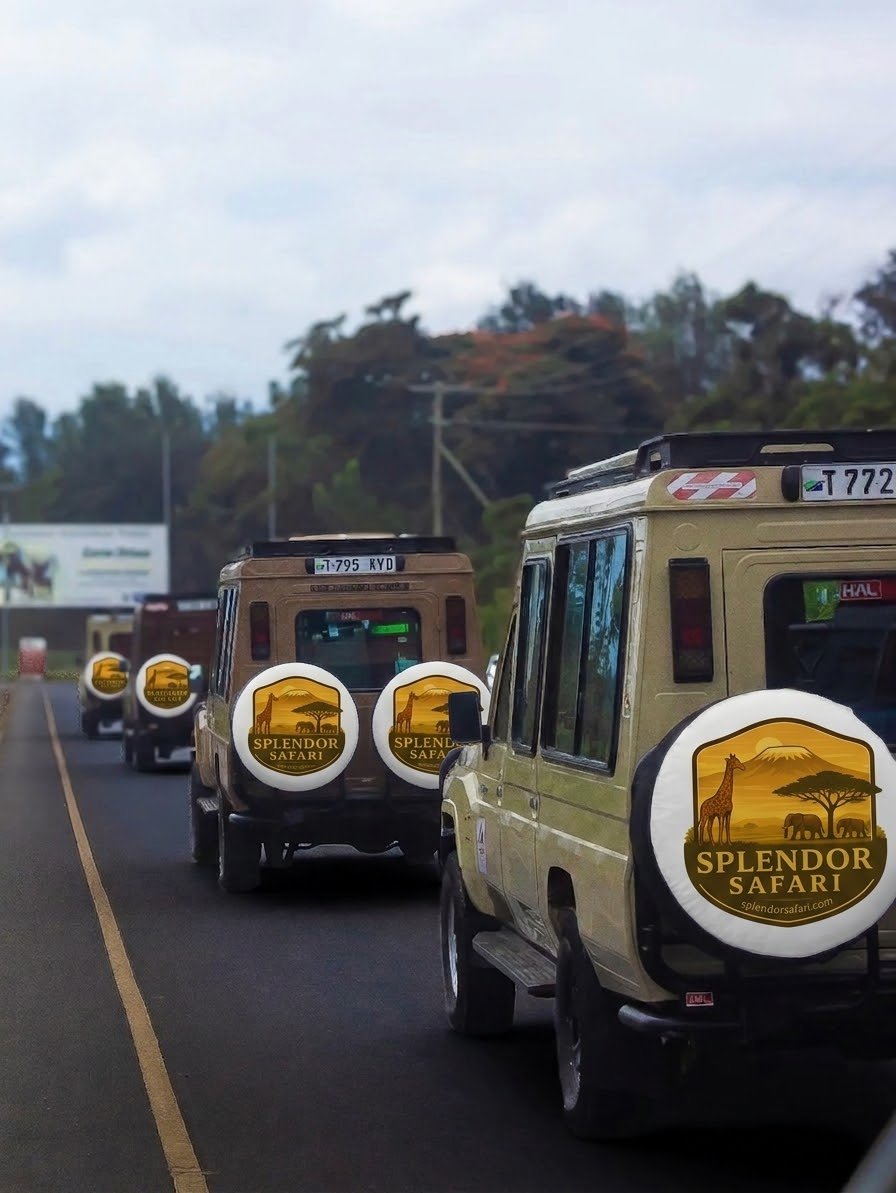
Extended Toyota Land Cruiser 4x4s with pop-up roofs, charging points, a fridge and a window seat for everyone.
Read moreGame drives, balloons, walking safaris and the people you will meet.
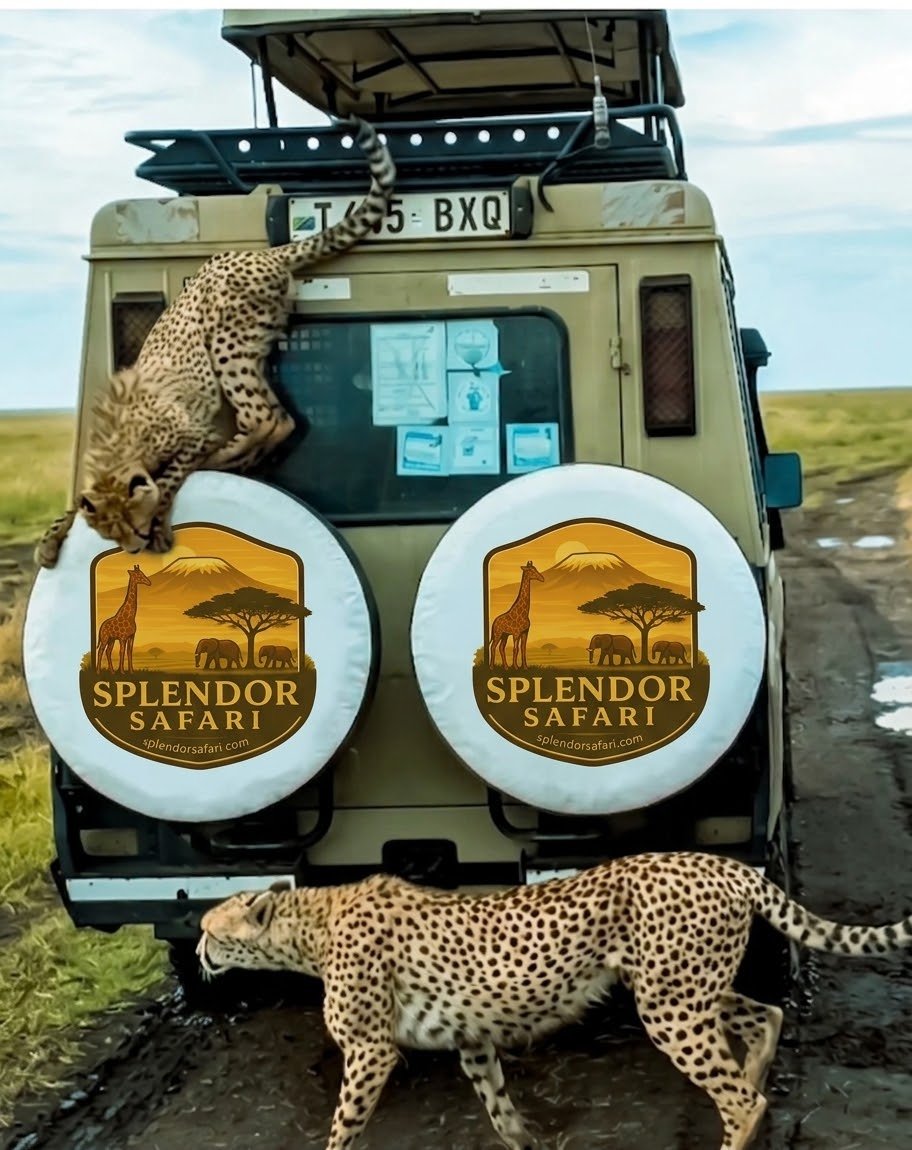
The heart of every safari — dawn and late-afternoon drives when the light is gold and the predators are moving.
Read more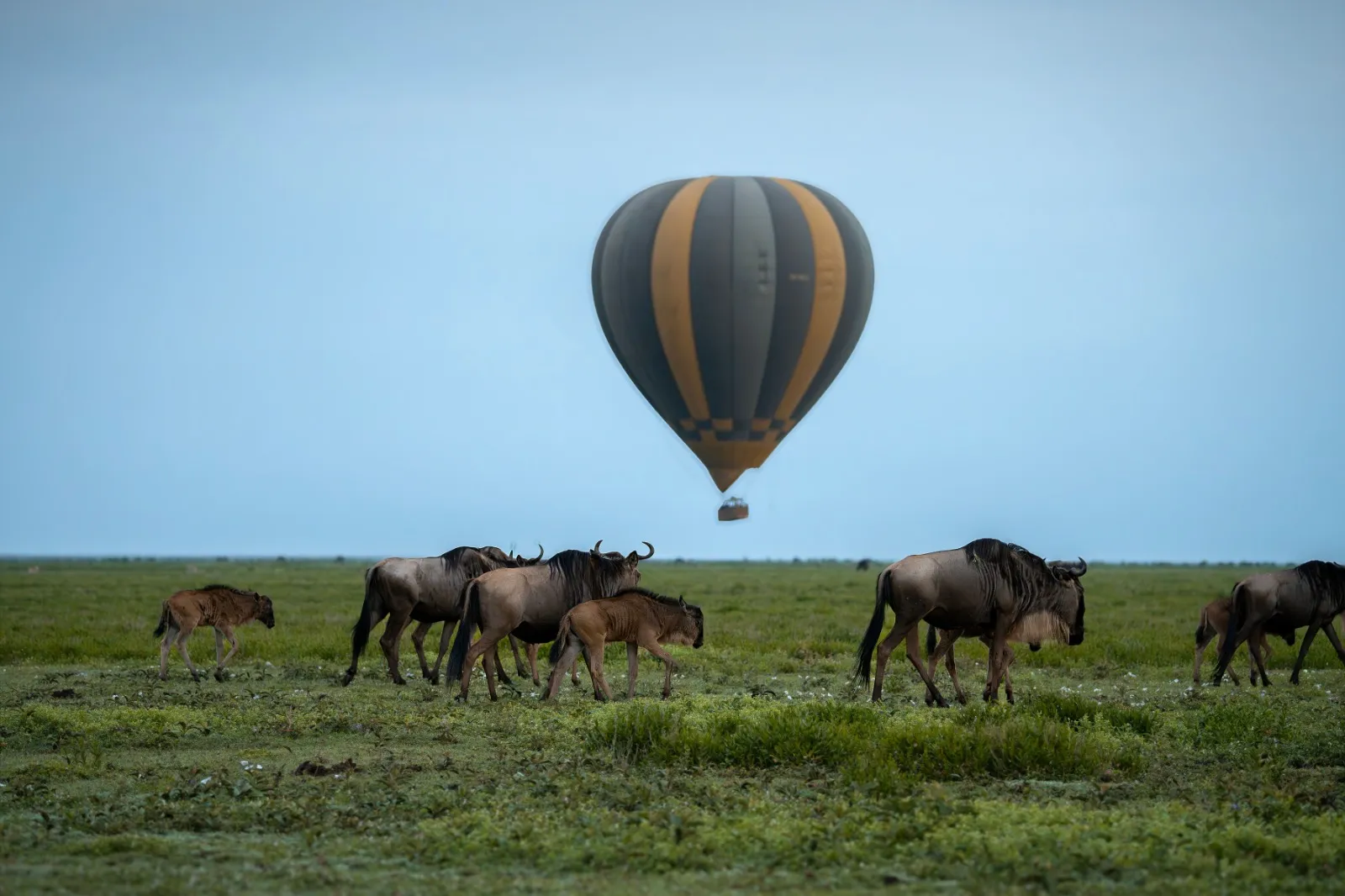
Lift off before dawn and drift silently over the Serengeti, then land to a champagne breakfast on the plains.
Read moreOn foot with an armed ranger — tracks, dung, birdsong and the small things a vehicle drives straight past.
Read moreA red-filtered spotlight and a whole second cast of animals that never appear by day.
Read moreTime with Maasai, Hadzabe and Datoga communities — arranged so the money reaches the village, not a middleman.
Read moreThe migration, the seasons, and how far ahead to book.
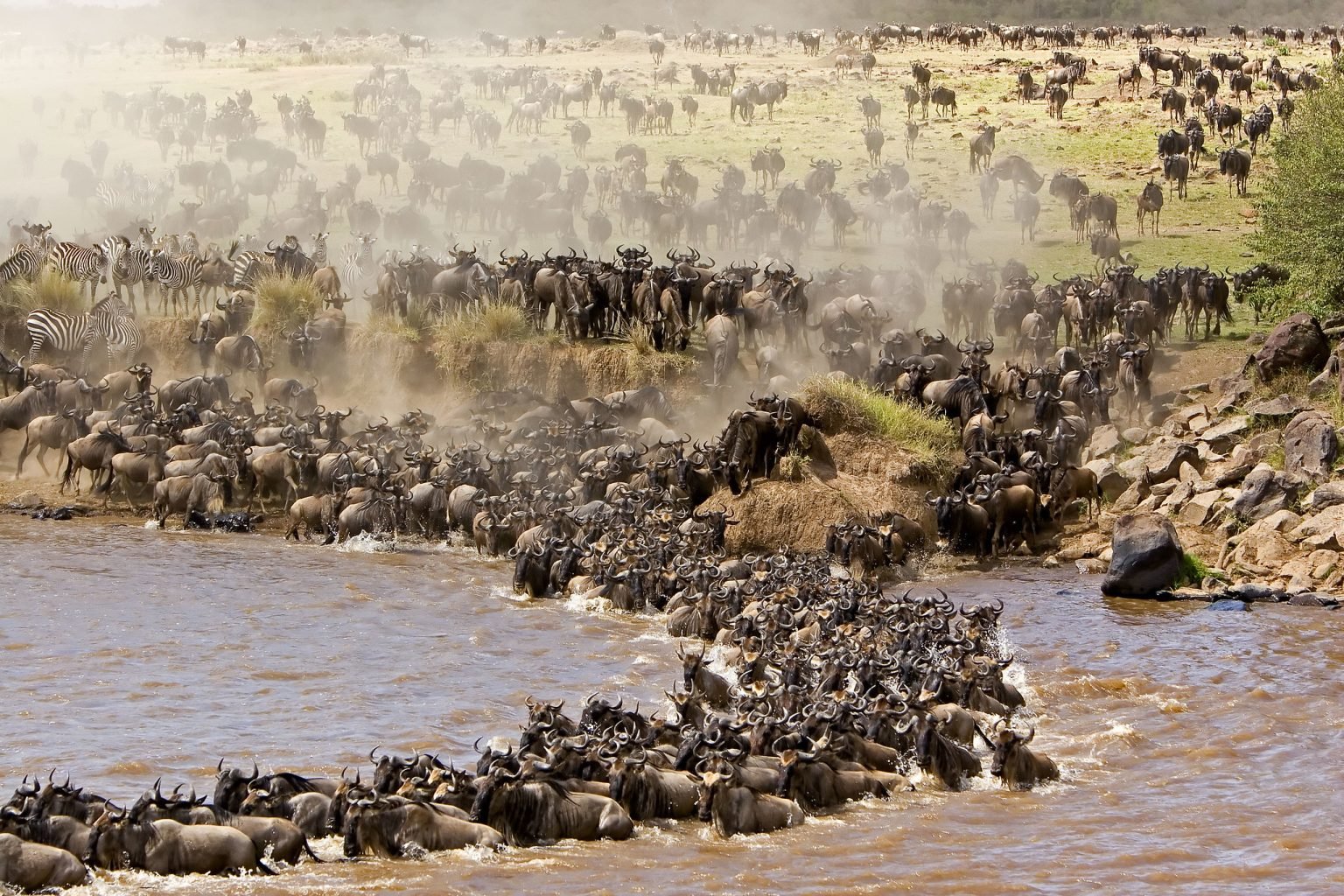
Two million wildebeest and zebra moving in a slow clockwise circle — where they are, month by month.
Read more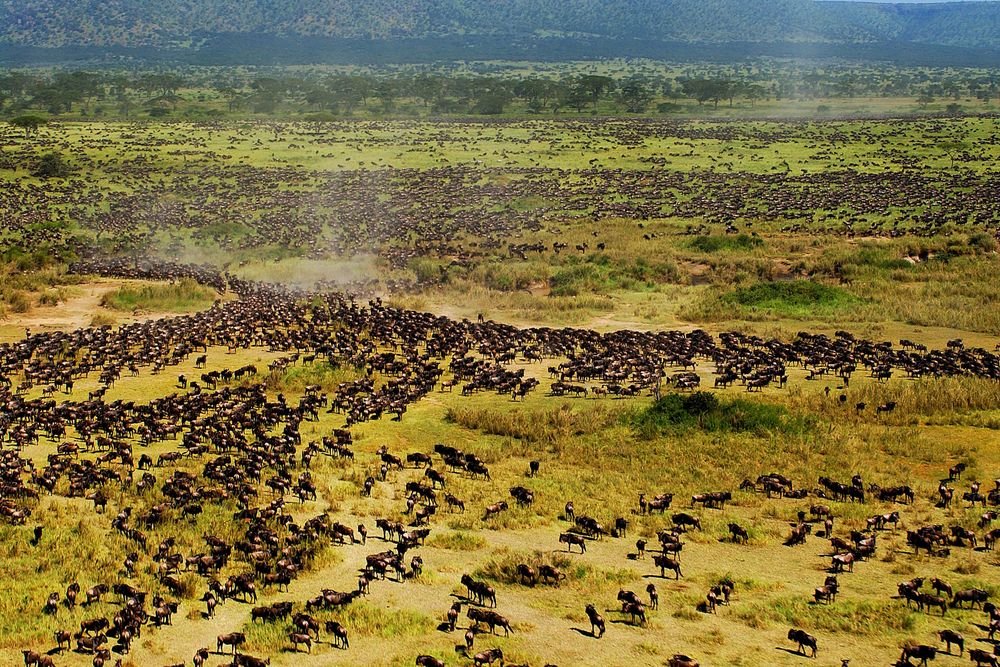
Late January to March on the southern plains — around 8,000 wildebeest born a day, and every predator in the ecosystem waiting.
Read more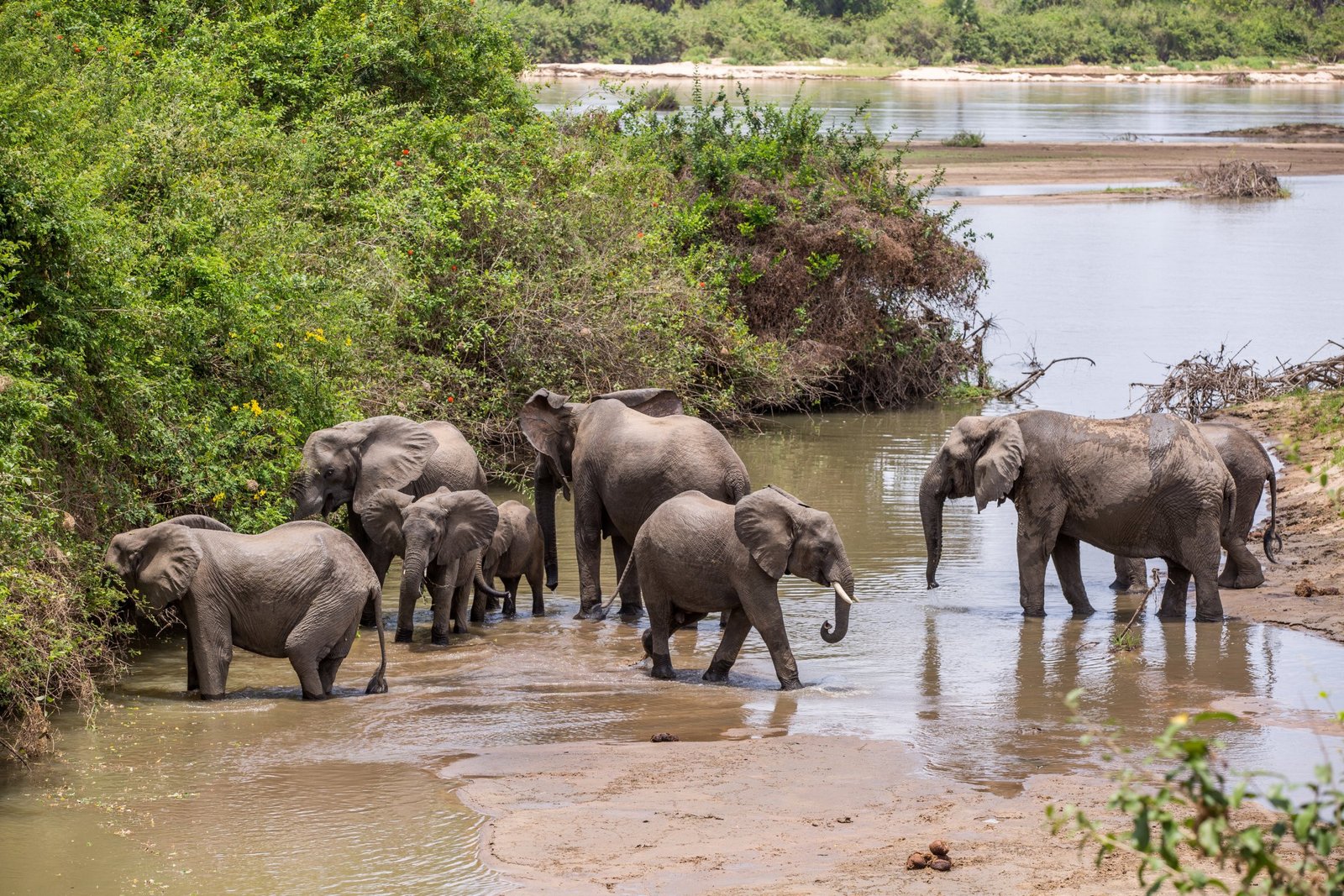
Thin bush, shrinking waterholes and animals concentrated where the water is — the easiest game viewing of the year.
Read more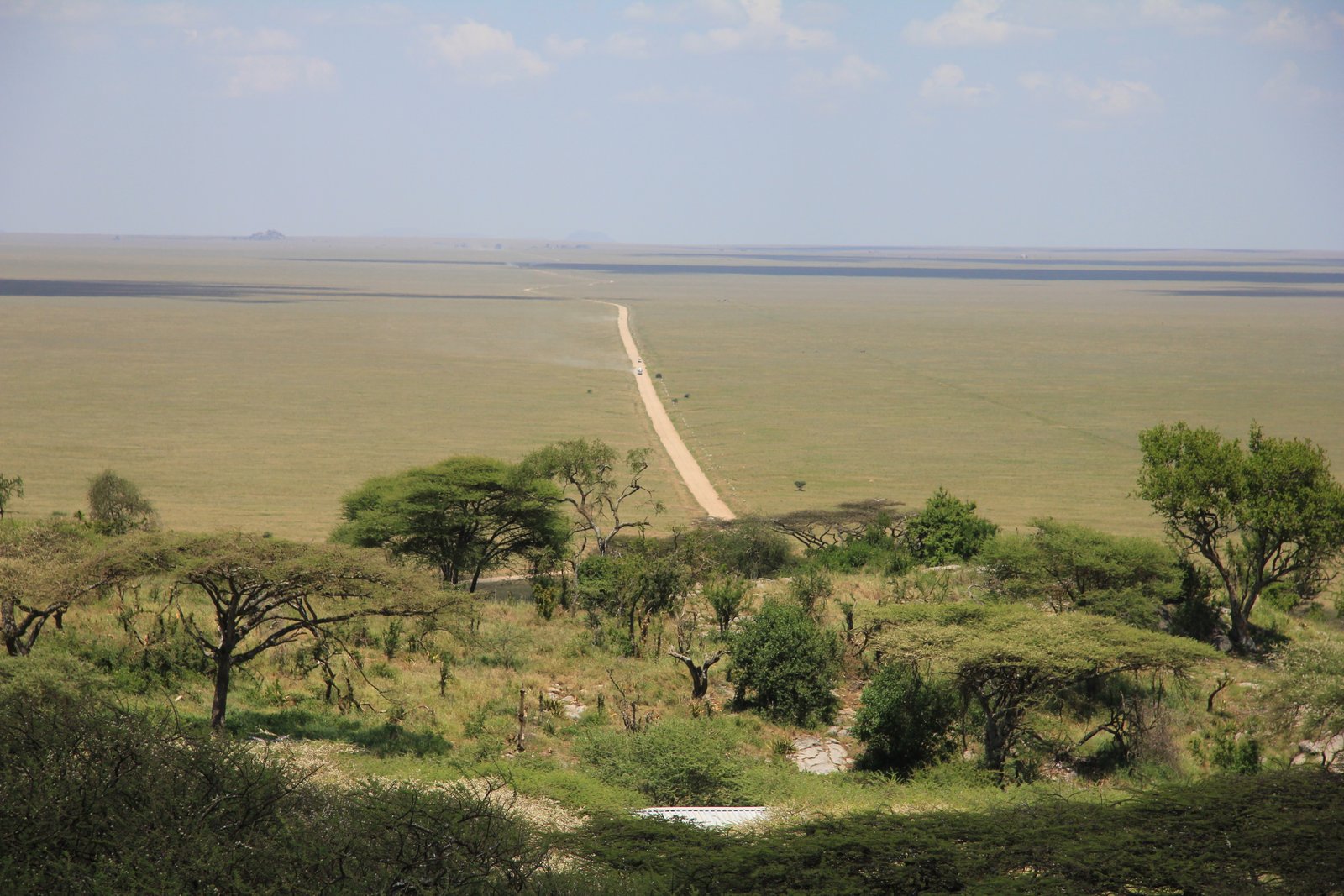
Lush country, migrant birds, newborn animals, dramatic light and noticeably lower prices.
Read more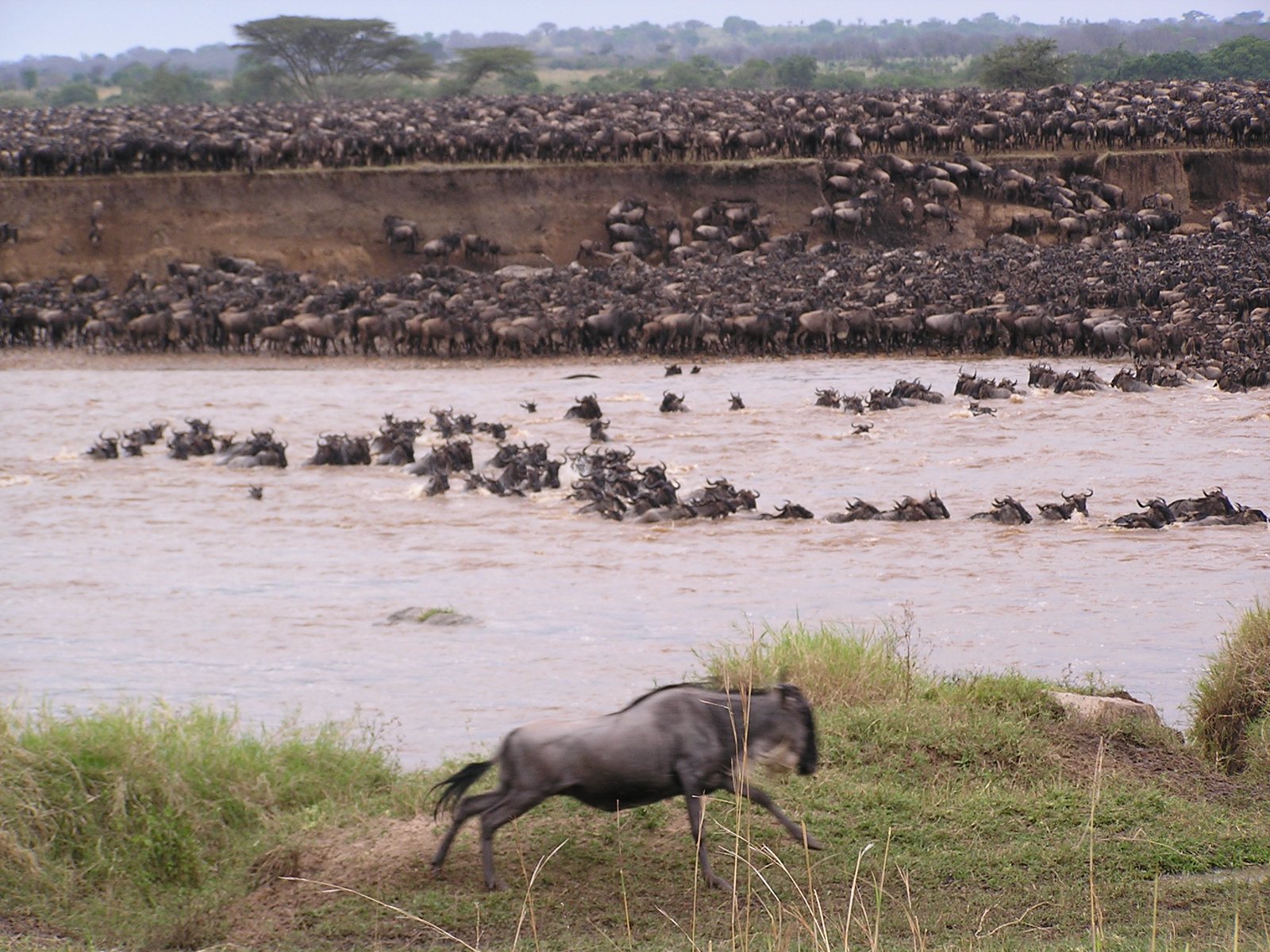
How far ahead to book, what a deposit holds, and what happens when a first-choice camp is full.
Read moreVisas, health, money, packing and travelling responsibly.
Most nationalities need a visa — apply online before you fly, and check the six-month passport rule.
Read moreYellow fever only if you are arriving from a risk country, malaria prophylaxis strongly advised, and what is in the vehicle.
Read moreRequired for every traveller, and the one policy detail people get wrong.
Read moreNeutral colours, layers for cold mornings, a soft bag under 15 kg, and the small things people forget.
Read moreUS dollars printed after 2009, small notes for tips, and what the guide and camp crew usually receive.
Read more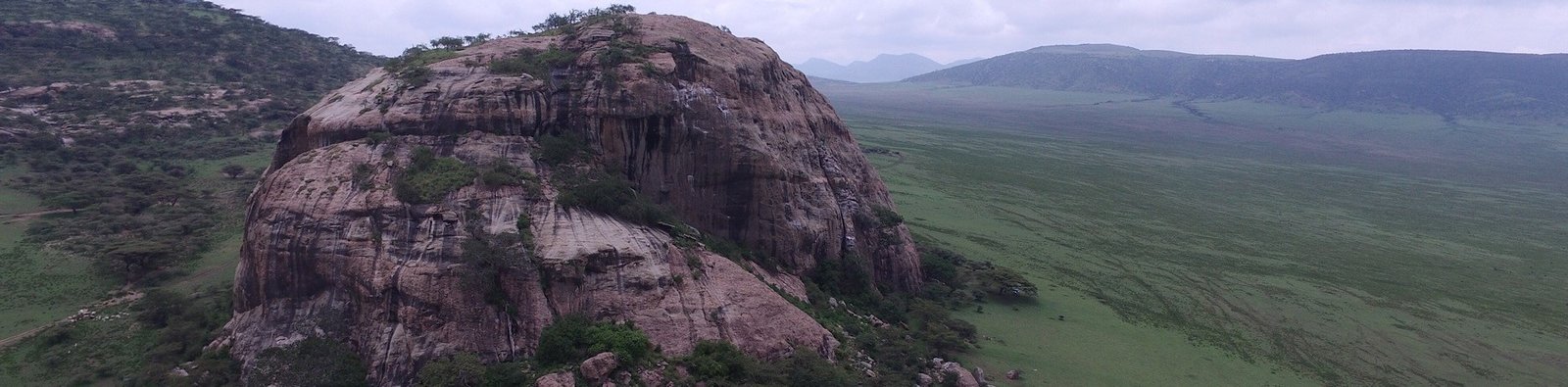
Where a large share of your money actually goes — and why it is the reason the wildlife is still there.
Read moreWi-Fi in most camps, patchy signal in the parks, solar power that sleeps at night — and how to keep a camera charged.
Read more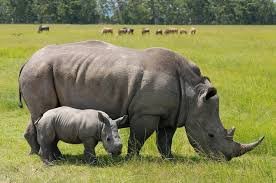
How to make sure your trip leaves the wildlife, the land and the people better off than it found them.
Read moreNothing matches that search.
Tell us roughly what you have in mind and we will send back a day-by-day plan with a price. Planning is free, and nothing is booked until you say so.