Species profile
About the african lion
The African lion is Tanzania’s best-known large predator and an essential part of the country’s savanna ecosystems. Lions regulate large herbivore populations and leave food for scavengers, linking many layers of the food web.
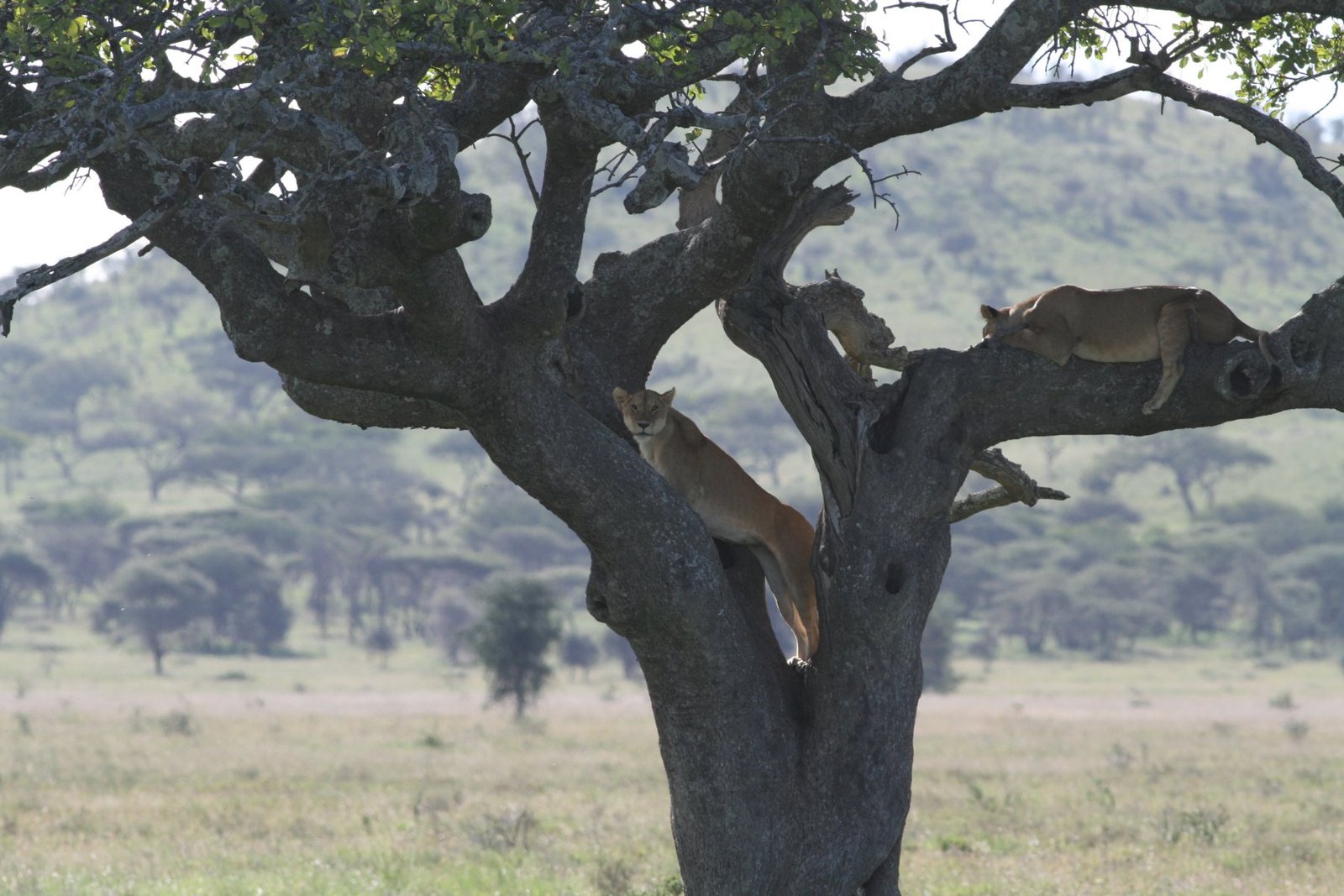
Open Serengeti plains make prides easy to watch, while Ruaha and Nyerere offer a wilder, lower-density experience. Lake Manyara is known for lions that sometimes rest in trees, although tree-climbing is a behaviour rather than a separate kind of lion.
Life in the wild
Behavior & relationships
Behavior
Most active from dusk to dawn. Lions rest for much of the day, patrol territories, scent-mark and coordinate hunts when prey or conditions favour teamwork.
Social life
The most social of the big cats. Related females form the stable core of a pride; males may hold a territory alone or in coalitions, and cubs are raised communally.
What makes it remarkable
Special features
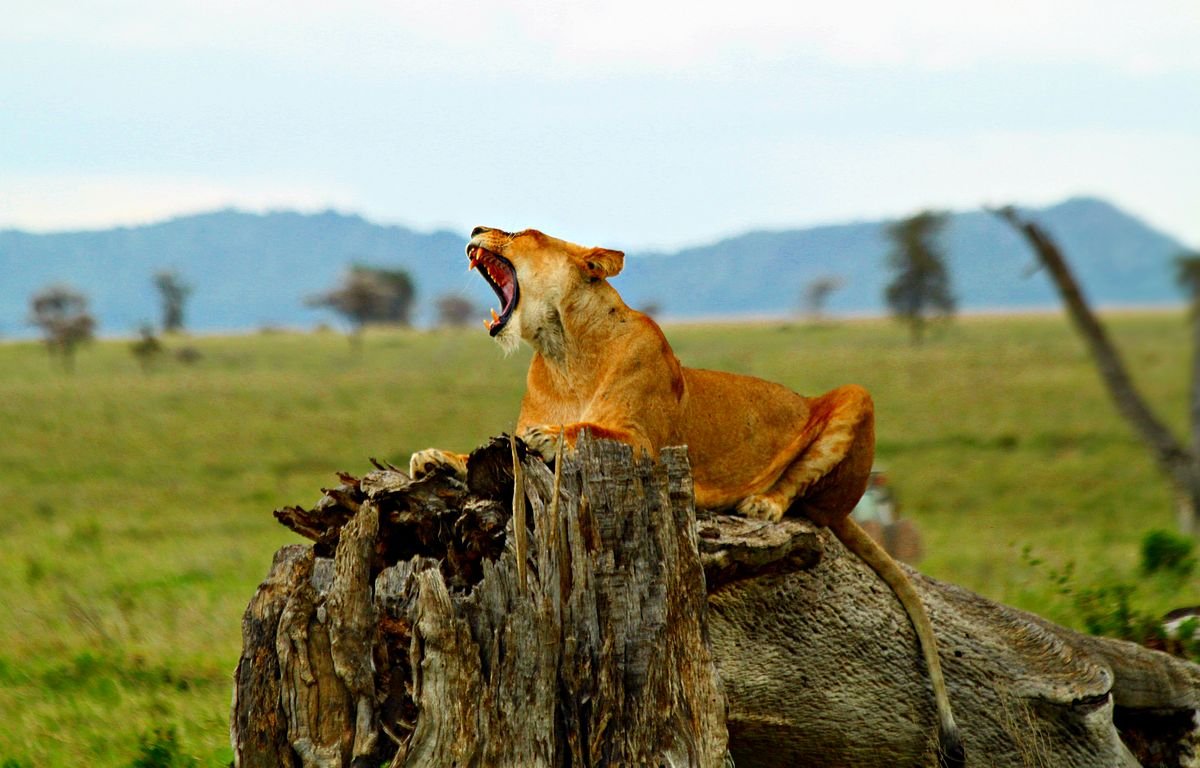
A male’s mane signals maturity and condition. A lion’s roar can carry several kilometres across still savanna air.