Large Herbivores Mammal Near Threatened (IUCN)

Plains Zebra

Equus quagga Kiswahili: Punda milia

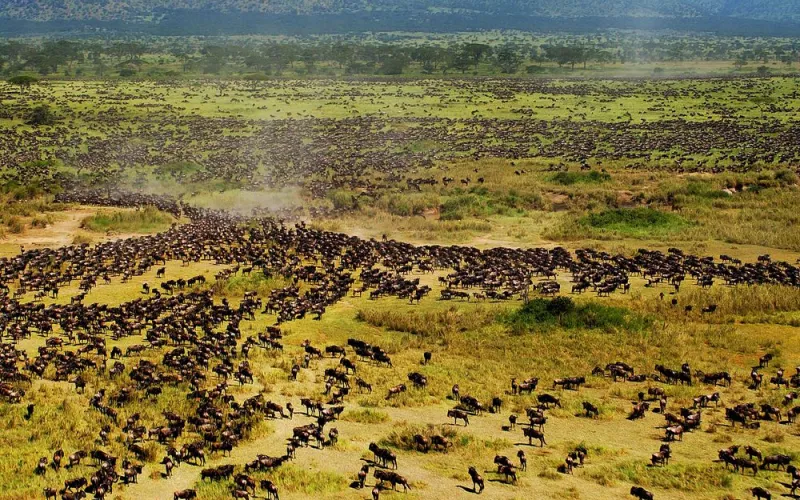
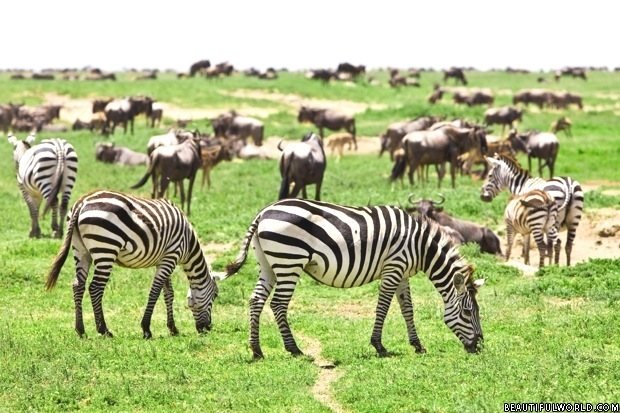
A familiar but endlessly photogenic grazer, often moving with wildebeest across the Serengeti and gathering at Tanzania’s dry-season water sources.

Where to look
Serengeti and Ngorongoro ecosystems Tarangire and Lake Manyara national parks Ruaha, Mikumi, Katavi and Nyerere national parks
Best time
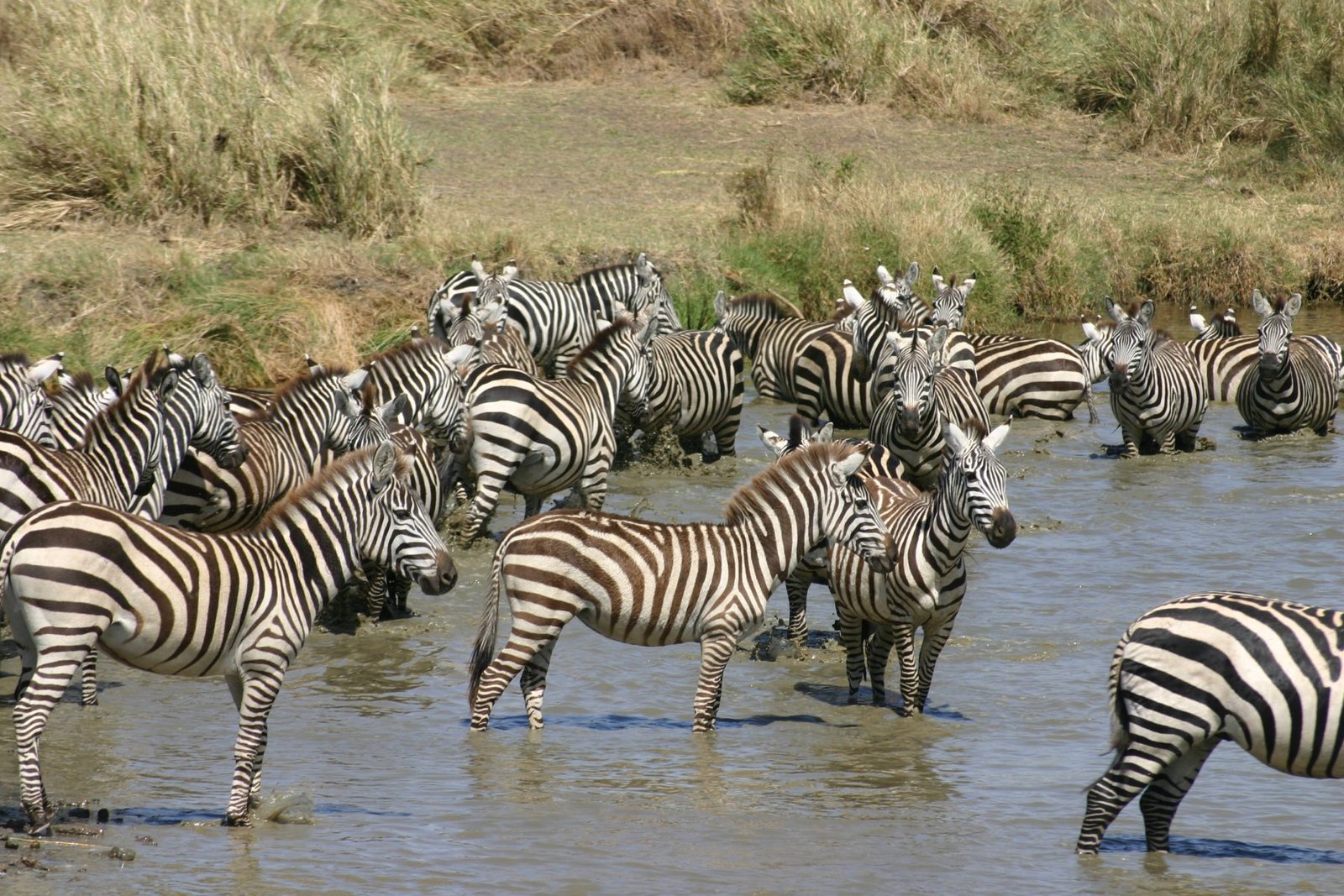
Year-round. Dry-season waterholes are productive, while southern Serengeti herds are especially impressive during the January–March calving period.
Habitat
Open grassland, savanna, lightly wooded plains and floodplains within reach of regular drinking water.
All Tanzania wildlife

Species profile

About the plains zebra

Plains zebra are widespread across Tanzania’s savannas. They crop taller and tougher grasses before wildebeest follow, a complementary feeding pattern that helps mixed herds use the same landscape.

Every zebra’s stripe pattern is unique. Stripes aid individual recognition and may also confuse biting flies and predators when a herd bunches tightly.

Life in the wild

Behavior & relationships

Behavior

Active grazers that drink regularly, groom one another and remain watchful for predators. They may migrate long distances with wildebeest.

Social life

Stable family harems usually include one stallion, several mares and their young; bachelor groups are also common. Families retain identity inside huge herds.

What makes it remarkable

Special features

Unique black-and-white stripe pattern, strong social bonds and excellent hearing, sight and running endurance.
From guidebook to game drive

Safaris that go where the plains zebra lives

All safaris

Matched on the parks this species is recorded in. A sighting is never guaranteed — these are simply the itineraries that put you in the right places.

See it responsibly

Plan a Tanzania safari around the wildlife you love.

Tell our Arusha team what you hope to see. We will match the season, parks and pace to your interests.