Large Herbivores Mammal Near Threatened (IUCN)

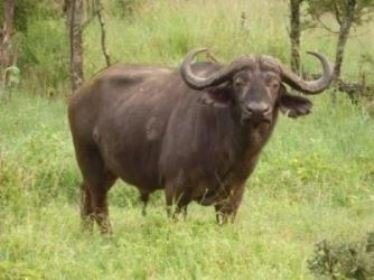
African Buffalo

Syncerus caffer Kiswahili: Nyati / Mbogo

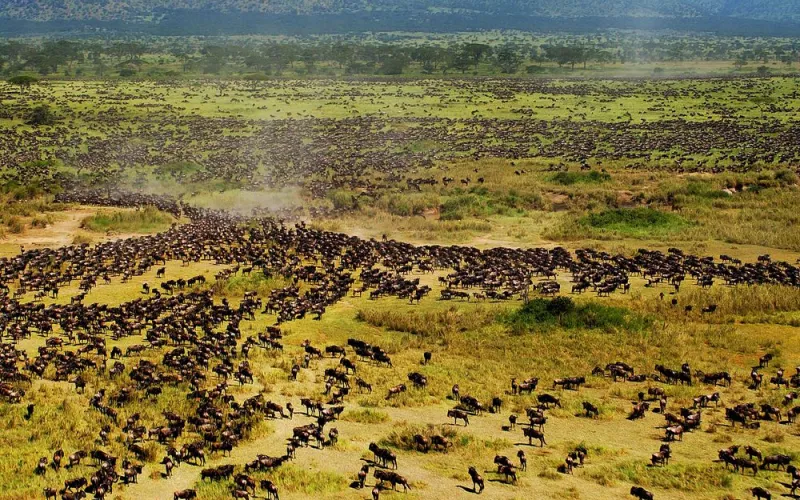
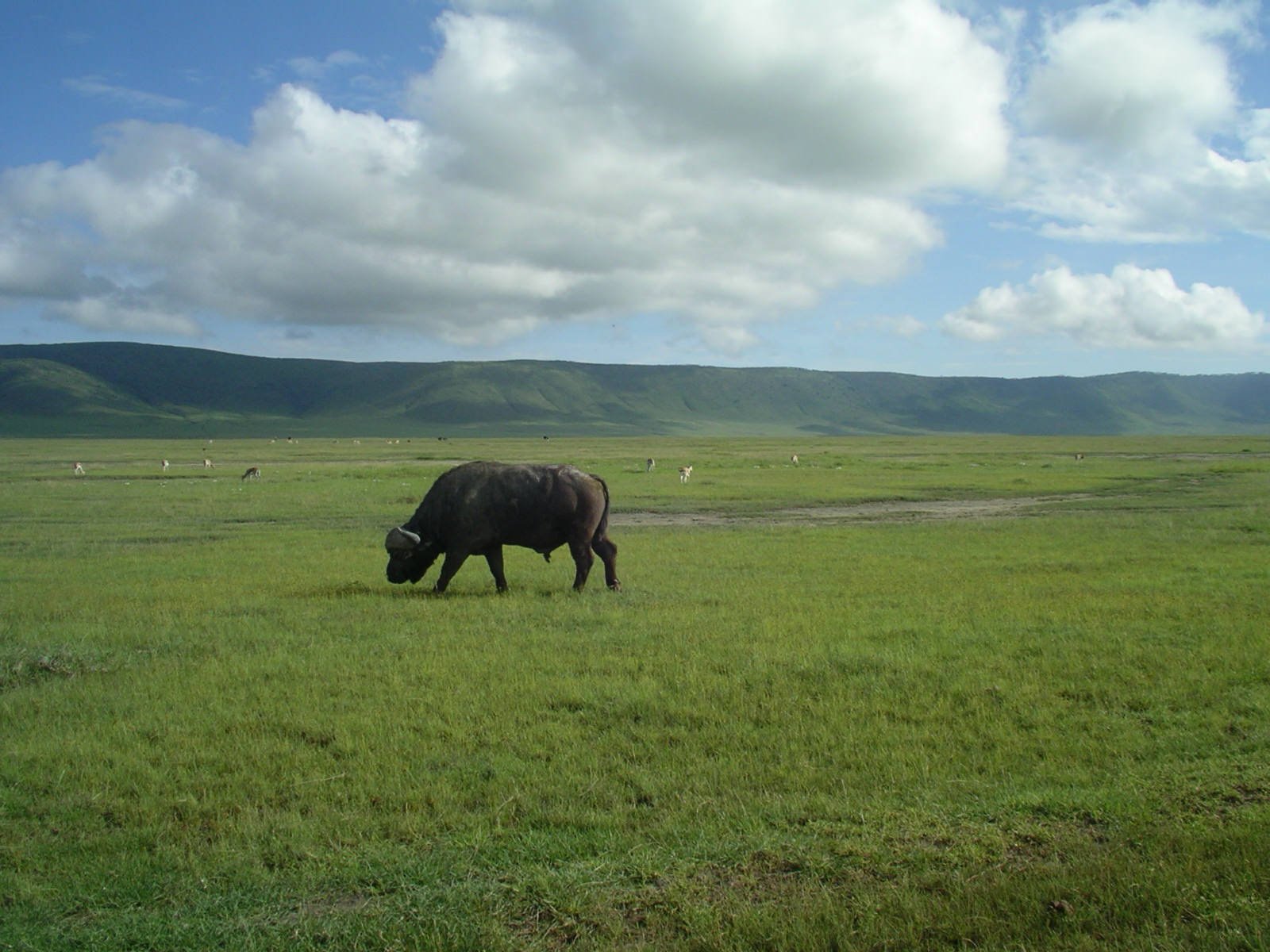
Powerful herd animals that gather in impressive numbers on floodplains, woodland edges and near permanent dry-season water.

Where to look
Nyerere National Park and Selous Game Reserve Katavi and Ruaha national parks Serengeti and Ngorongoro ecosystems Lake Manyara, Tarangire and Mikumi national parks
Best time
June–October, when herds concentrate near permanent water and vegetation is lower.
Habitat
Grassland, floodplain, savanna and woodland with reliable grazing, shade and frequent access to water.
All Tanzania wildlife

Species profile

About the african buffalo

African buffalo are one of Tanzania’s most successful large grazers and a key prey species for lions. Herds can transform a quiet plain into a moving wall of dark bodies, while older bulls often rest in small groups near water and mud.

They are alert, socially coordinated and potentially dangerous at close quarters, so respectful viewing distance is essential.

Life in the wild

Behavior & relationships

Behavior

Grazes mainly in cooler periods, drinks regularly and wallows in mud. Herds form defensive fronts around calves when threatened.

Social life

Large mixed herds have strong social bonds and collective defence. Older males may form bachelor groups or live alone before rejoining breeding herds.

What makes it remarkable

Special features

Heavy horn bosses meet across an adult bull’s forehead. Herd cooperation can repel predators and sometimes rescue attacked members.
From guidebook to game drive

Safaris that go where the african buffalo lives

All safaris

Matched on the parks this species is recorded in. A sighting is never guaranteed — these are simply the itineraries that put you in the right places.

See it responsibly

Plan a Tanzania safari around the wildlife you love.

Tell our Arusha team what you hope to see. We will match the season, parks and pace to your interests.