Water Birds Bird Near Threatened (IUCN)

Lesser Flamingo

Phoeniconaias minor Kiswahili: Heroe mdogo

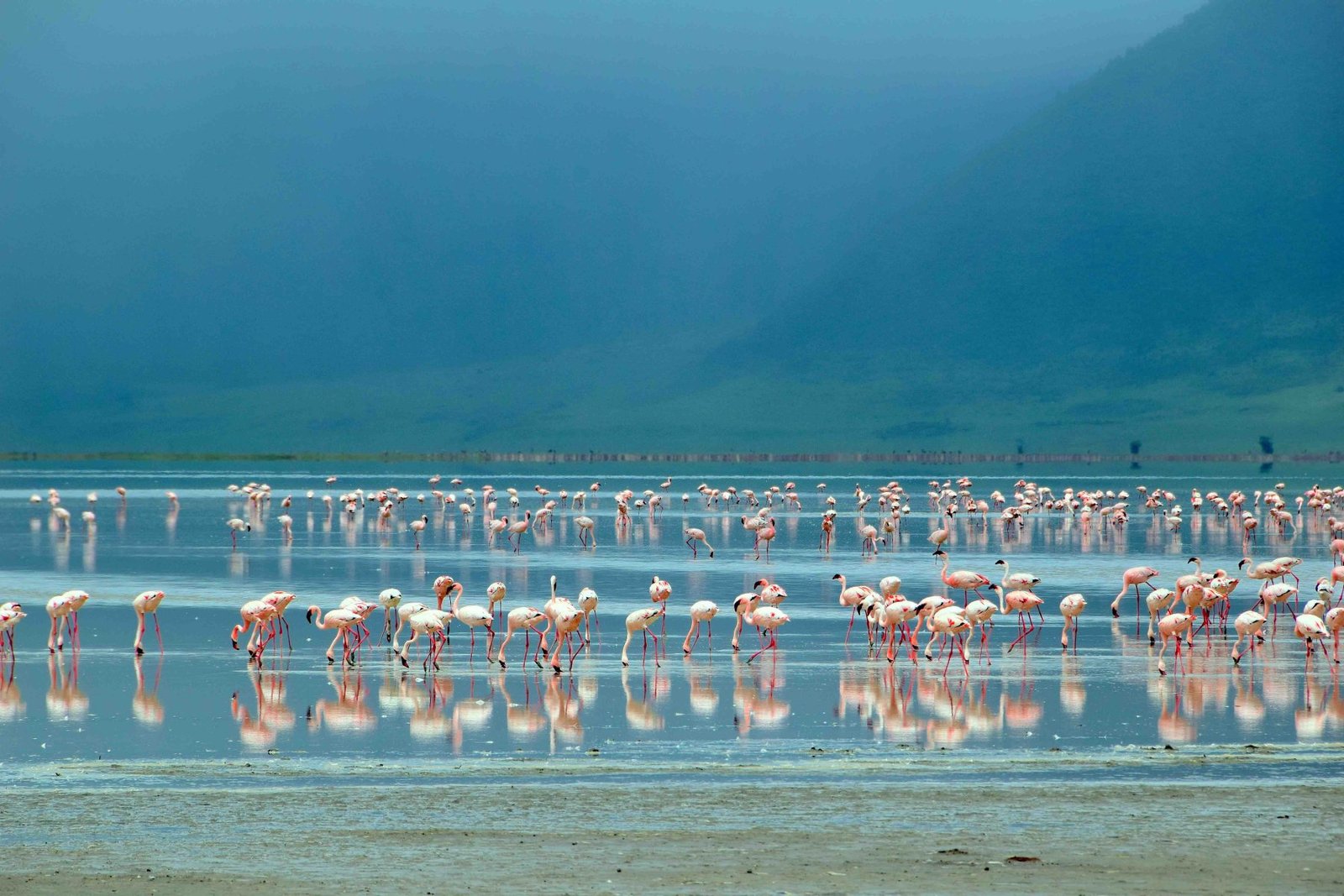
East Africa’s small, deep-pink flamingo, with Lake Natron providing its most important regional breeding habitat.

Where to look
Lake Natron Lake Manyara Lake Eyasi and other Rift Valley soda lakes Seasonal alkaline wetlands
Best time
Often strongest in drier months when alkaline lakes concentrate food, but local conditions matter more than a fixed calendar. Check recent reports before travelling.
Habitat
Shallow saline and alkaline lakes, soda pans and lagoons rich in microscopic algae.
All Tanzania wildlife

Species profile

About the lesser flamingo

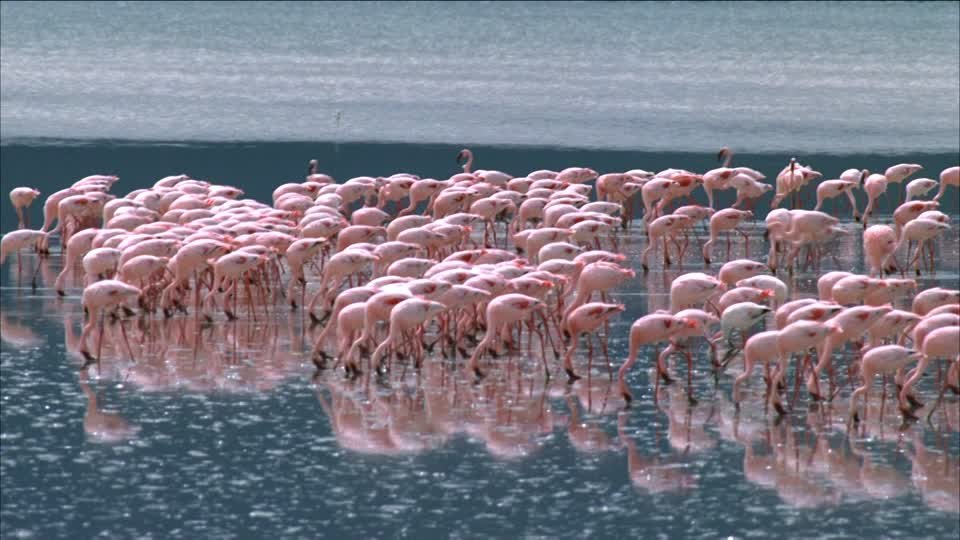
Lesser flamingos gather where alkaline water supports dense blooms of microscopic algae. Lake Natron’s caustic shallows and isolated salt islands protect one of the species’ most important breeding sites, while feeding flocks move between Rift Valley lakes as water and food conditions change.

Numbers at any one lake can vary dramatically, so a lake that is pink one month may hold far fewer birds later in the season.

Life in the wild

Behavior & relationships

Behavior

Feeds in shallow water by filtering algae with a specialised bill. Large flocks move, display and breed in synchrony when conditions permit.

Social life

Strongly colonial. Courtship occurs in coordinated groups and nesting colonies can contain enormous numbers of closely spaced birds.

What makes it remarkable

Special features

Specialised filter-feeding bill, exceptionally salt-tolerant feeding habits and colour derived from pigments in the diet.
From guidebook to game drive

Safaris that go where the lesser flamingo lives

All safaris

Matched on the parks this species is recorded in. A sighting is never guaranteed — these are simply the itineraries that put you in the right places.

See it responsibly

Plan a Tanzania safari around the wildlife you love.

Tell our Arusha team what you hope to see. We will match the season, parks and pace to your interests.