 9-Day Serengeti Mara Migration & Ngorongoro Private Safari
$3,520per person
View safari
9-Day Serengeti Mara Migration & Ngorongoro Private Safari
$3,520per person
View safari
Northern Circuit · Arusha Region
Arusha National Park
About Arusha National Park
Arusha National Park is the one every itinerary skips and the one we most often suggest adding, because it does something none of the others can.
It is small — about 550 square kilometres — and it sits forty-five minutes from Arusha town and closer still to Kilimanjaro International Airport. It has no lion, and very few elephant. That sounds like a weakness and is in fact the entire point: because the dangerous game is largely absent, you are allowed out of the vehicle here, and walking and canoeing are available in a national park in a way they simply are not at Manyara, Tarangire or the Serengeti.
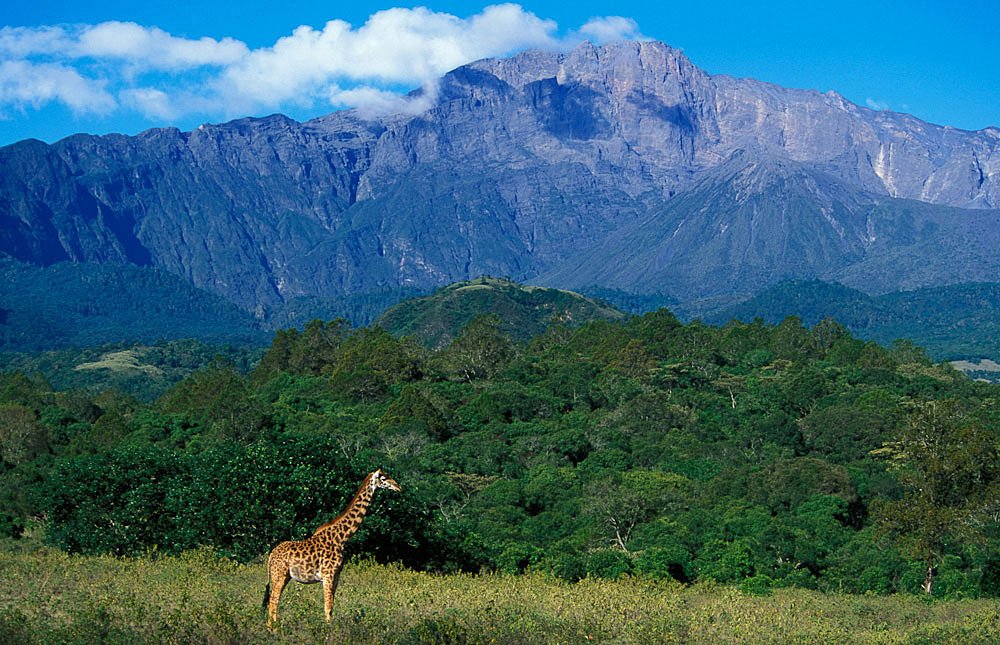
What it lacks in big cats it makes up for in variety compressed into a very small area. Mount Meru, at 4,566 metres, is the fifth-highest mountain in Africa and fills the western half of the park — a horseshoe caldera blown open on its eastern side, with a perfectly formed ash cone standing inside it. Below the mountain, montane forest holds the most reliable black-and-white colobus viewing in northern Tanzania. Ngurdoto Crater, in the south, is a collapsed caldera whose floor is closed to vehicles entirely, so you drive the rim and look down on buffalo and warthog grazing a landscape with no traffic in it. In the north-east, the Momella Lakes are a string of shallow alkaline lakes, each a different colour, drawing flamingo, pelican and enormous concentrations of waterfowl.
Meru itself is a serious climb in its own right and the best possible preparation for Kilimanjaro, which is how most people who do it use it — three or four days, an armed ranger from the first morning because of the buffalo, and a summit ridge that runs along a narrow arête above the crater with Kilimanjaro floating over the cloud to the east at sunrise.
The practical case is timing. Almost every Tanzanian trip has a first day recovering from a long flight or a last day waiting for an evening departure, and those days are usually spent in a hotel in Arusha. A morning walking in the forest, a canoe among giraffe, or a drive around Little Serengeti with Meru filling the sky behind is a far better use of them, and it costs a park fee rather than a day of the itinerary.
What to see here
12 places inside Arusha National Park worth planning around.
-
Mount Meru #
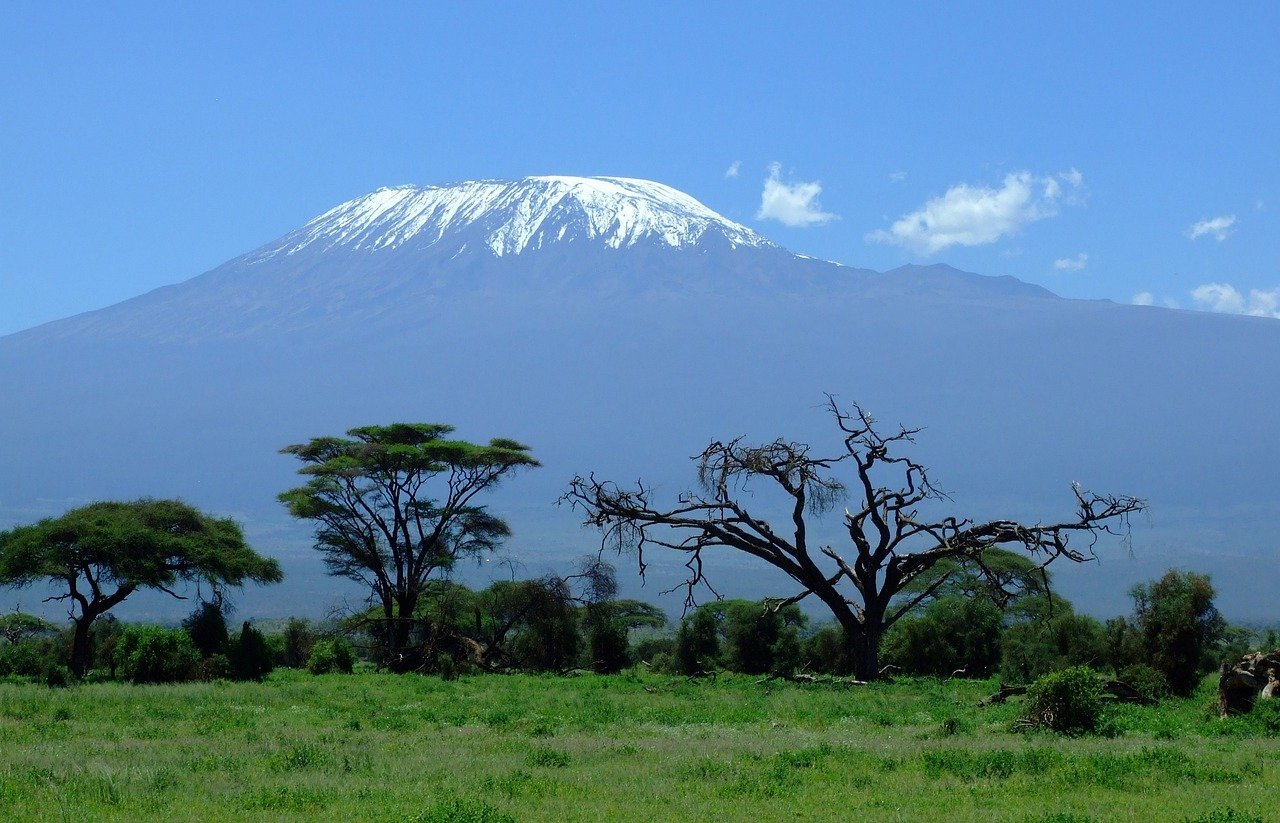
At 4,566 metres, the fifth-highest mountain in Africa, standing on its own about seventy kilometres west of Kilimanjaro and visible from most of Arusha on a clear morning.
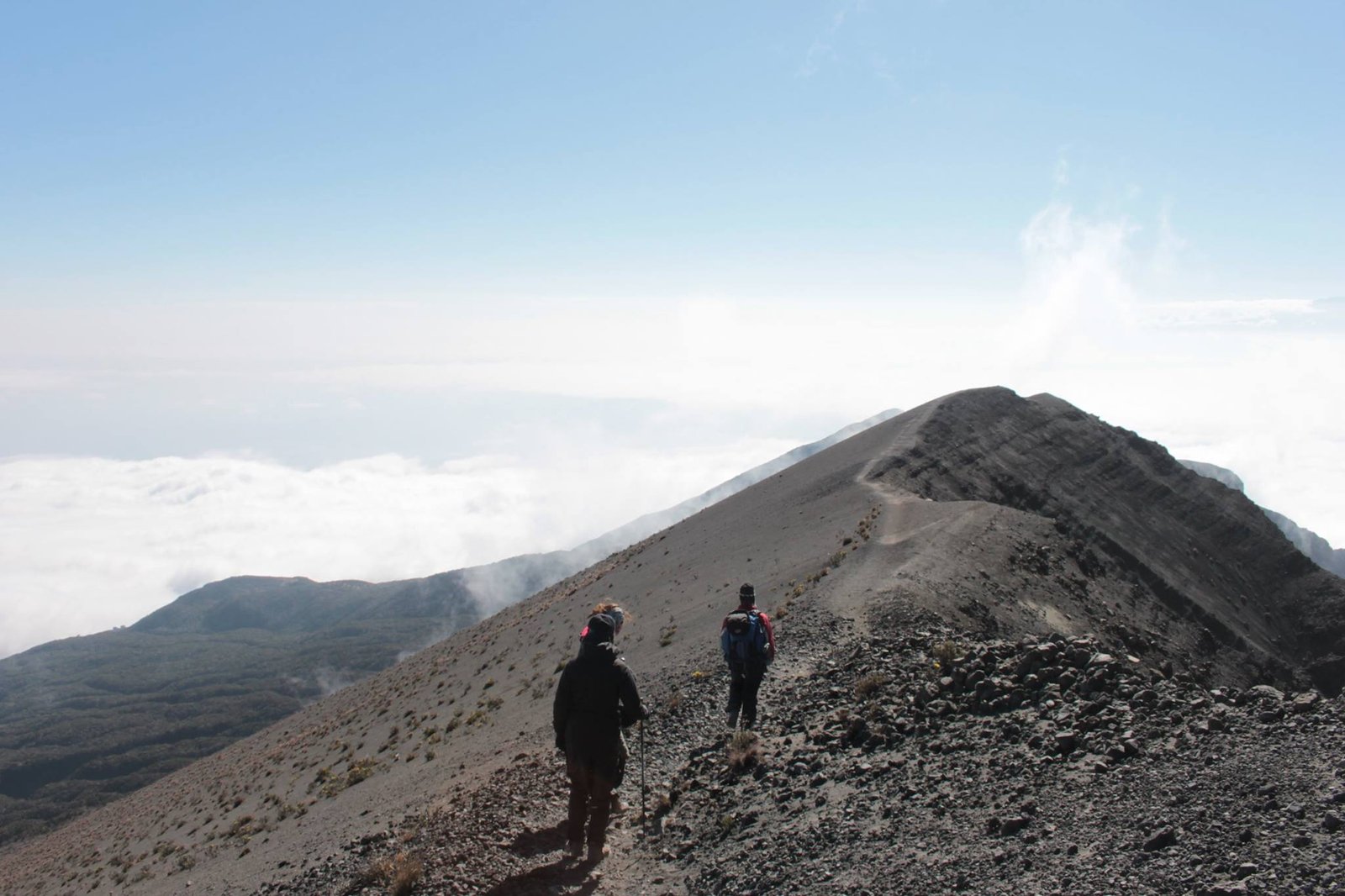
It is a serious climb in its own right — usually three or four days — and it is the best possible preparation for Kilimanjaro, which is how most people who climb it use it. The summit ridge is genuinely dramatic: a narrow arête curving around the horseshoe rim of the old crater, with a sheer drop into the caldera on one side and the ash cone standing in the middle of it.
The summit morning is walked in the dark to reach the top at sunrise, and what you get if the weather cooperates is Kilimanjaro floating above the cloud with the sun coming up behind it. Climbers are accompanied by an armed ranger from the first day, because the lower slopes hold buffalo and elephant.
-
Ngurdoto Crater #
A collapsed volcanic caldera in the south of the park, about three kilometres across, with a swampy floor and forested walls. It is sometimes called Little Ngorongoro, and the comparison holds in shape if not in scale.
The important difference is that vehicles do not go down. The crater floor is closed to traffic and left to the animals, and visitors drive the rim and look in from a series of viewpoints. Buffalo herds, warthog and waterbuck graze the marshy bottom, and baboon work the edges, all of it a few hundred metres below and entirely undisturbed.
That restraint is what makes it worth the stop. It is one of the very few places on a Tanzanian safari where you look at a landscape full of animals with no other vehicle in it, because no vehicle is allowed in it, and it takes about an hour to drive the rim properly.
-
Pictures coming soon We are still building this gallery.
The Momella Lakes #
A string of shallow alkaline lakes in the north-east of the park, each a slightly different colour because each has a different mineral and algal composition — greens, blues and greys sitting side by side in the same landscape.
They are the reason to come here for birds. Flamingo are usually present in some number, along with pelican, little grebe, and enormous concentrations of waterfowl, and the surrounding grassland holds giraffe, zebra, waterbuck and bushbuck. There are no lions in Arusha National Park, and no elephant to speak of, which is precisely why the other activities here are possible.
The lakes are also where the canoeing happens, and the standard photograph of this park — giraffe on the shoreline with Mount Meru behind and the water in front — is taken from somewhere along this road in the early morning.
-
Pictures coming soon We are still building this gallery.
Walking and Canoe Safaris #
The absence of lion and the small number of elephant make Arusha National Park the one place on the northern circuit where you can properly get out of the vehicle, and it is why the park is far more useful than its size suggests.
Walking safaris go out with an armed ranger for anything from two hours to a full day, through forest and open glades, and the experience is different in kind rather than degree: you hear things, you smell the vegetation, you are shown tracks and plants, and buffalo require you to pay attention.
Canoeing on the Momella Lakes is gentler and, for families, often the highlight of a whole trip. You paddle among waterbirds with giraffe and buffalo grazing on the bank a short distance away, at water level, in silence. Both activities are available within an hour of Arusha and Kilimanjaro airport, which makes this the ideal first or last day of a safari.
-
Pictures coming soon We are still building this gallery.
The Colobus Forest #
The montane forest on the slopes below Meru is the most reliable place in northern Tanzania to see black-and-white colobus, and they are the animal most visitors remember from this park.
They are unmistakable — glossy black with a long white mantle and a plume of a tail — and they move through the canopy in leaps that cover astonishing distances, launching and dropping through the branches with the mantle streaming. Troops are usually found in the fig and podocarpus trees along the Ngurdoto road, and they are active in the early morning.
The same forest holds blue monkey, red duiker, bushbuck and a long list of forest birds including turaco and trogon. It is also where the park's elephant sign is most obvious even though the animals themselves are rarely seen, and the trees themselves — moss-hung, buttressed, enormous — are worth the drive on their own.
-
Pictures coming soon We are still building this gallery.
Tululusia Waterfall #
A waterfall reached on foot through the forest in the west of the park, and one of the best short walking routes in northern Tanzania.
The trail runs about an hour each way with an armed ranger, through closed-canopy forest and along a stream, ending at a fall dropping into a pool in a green amphitheatre of rock and moss. It is not a long or difficult walk, but it is a real one — mud, roots, stream crossings — and it puts you inside a habitat that safaris otherwise only drive past.
The walk is as good as the destination. Colobus overhead, forest birds calling, buffalo tracks in the mud, and a ranger who will stop to explain what made them. For anyone arriving jet-lagged the day before a long safari, or filling a last day before an evening flight, it is the best few hours available near Arusha.
-
Pictures coming soon We are still building this gallery.
Little Serengeti #
An open grass plain in the north of the park, small enough to see across, that looks so much like the real thing in miniature that the name stuck.
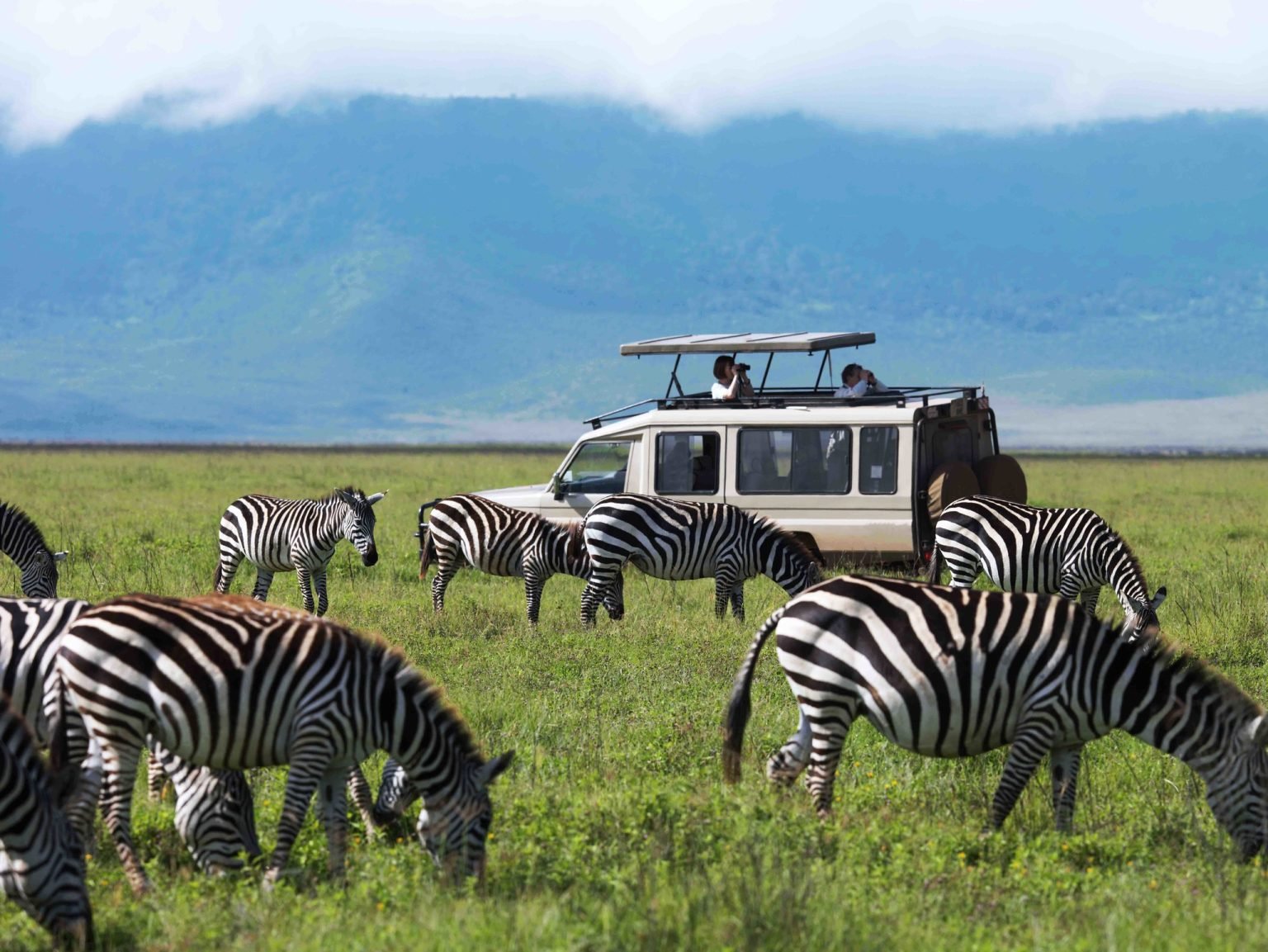
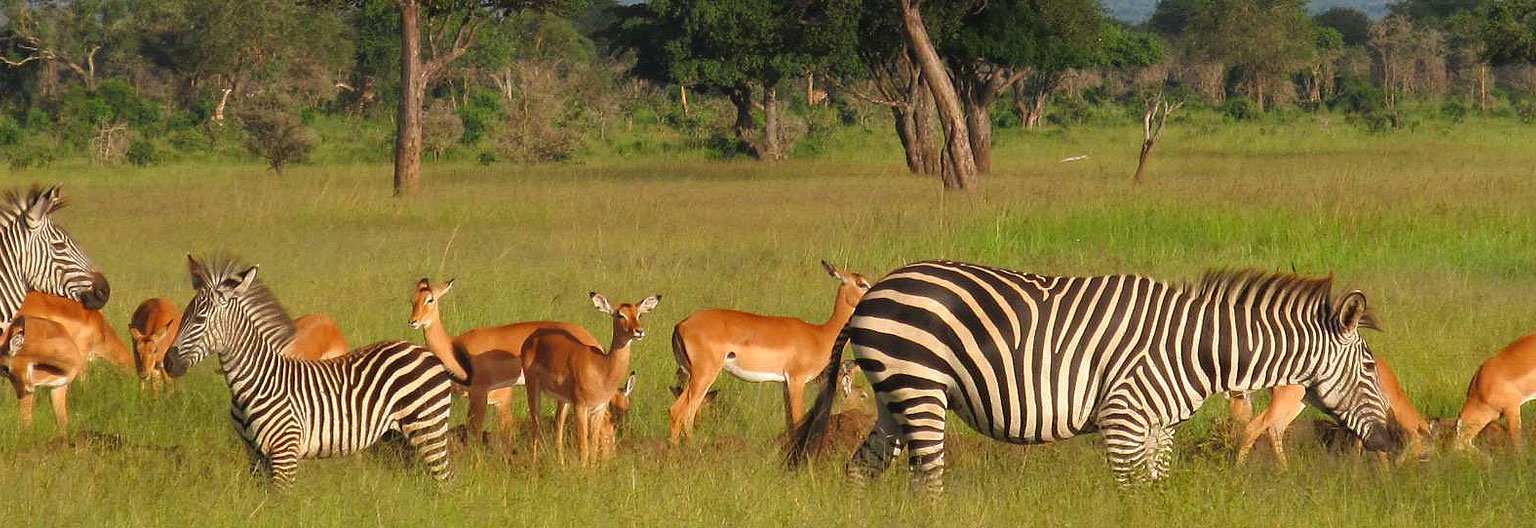
Zebra graze it in numbers, along with warthog, giraffe and buffalo, and because there are no lion in the park the animals are relaxed and stay in the open. Meru rises directly behind, which gives the standard shot: plains game in short grass with a 4,500-metre volcano filling the sky behind them.
It is a good place to sit with the engine off for half an hour rather than drive through. Early morning and late afternoon light across the plain with the mountain behind is as good as photography gets this close to a city, and it is roughly forty-five minutes from the centre of Arusha.
-
Pictures coming soon We are still building this gallery.
The Meru Crater and Ash Cone #
Meru is not a symmetrical cone like Kilimanjaro because a colossal eruption blew out its entire eastern side, leaving a horseshoe caldera open to the east with walls up to 1,500 metres high on the inside.
Standing in the middle of that caldera is a perfectly formed ash cone, built by later eruptions — a volcano inside a volcano, black and bare against the green of the crater floor. The climbing route runs around the rim above it, and the view down onto the cone from the ridge is the most dramatic thing on the mountain apart from the summit itself.
The crater floor can be reached on a long day walk from Miriakamba hut without going for the summit, which makes it available to walkers who have no intention of climbing 4,500 metres. Buffalo and elephant use the floor, so a ranger comes as standard.
-
Pictures coming soon We are still building this gallery.
The Fig Tree Arch #
On the forest road above Ngurdoto, a strangler fig has grown around and over the track and left an arch wide enough to drive a vehicle through. It is a small thing and it is on every itinerary in the park, and it is still worth the stop.
What makes it more than a photograph is the biology. A strangler begins as a seed dropped by a bird in the crown of another tree, sends roots down the trunk to the ground, and slowly encases and kills the host it grew on. The arch is the shape of a tree that is no longer there, which is a hard thing to see anywhere else at eye level.
The forest around it is where the black-and-white colobus are, and the road up to it climbs through some of the best montane forest in northern Tanzania. Local tradition holds that driving through the arch brings luck, and every guide will tell you so with a straight face.
-
Pictures coming soon We are still building this gallery.
Lake Longil and the Forest Glades #
A small lake in a clearing in the upper forest, fed by streams off Meru, and the quietest corner of an already quiet park. The glade around it is grazed short, and the animals that use it come out of the trees rather than across a plain.
Buffalo are the reason to come. They spend the middle of the day standing in the shallows and lying in the mud around the margins, in numbers, and the picnic site on the bank lets you sit above them for as long as you like. Bushbuck work the forest edge, waterbuck stand in the open, and the birding in the glade is the best in the park, with turaco, trogon and a long list of forest species in the canopy behind.
It is a forty-minute drive from the gate through the woodland, and the road up is often the sighting: colobus overhead, blue monkey crossing, and elephant sign on the track. Most half-day visitors never get this far in.
-
Pictures coming soon We are still building this gallery.
Kitoto and the Northern Slopes #
Above the Momella lakes the ground rises steadily onto the northern shoulder of Meru, and the track to the Kitoto viewpoint climbs out of the woodland into open grassland at around 2,000 metres.
The view is what people come up for: the Momella lakes laid out below in their different colours, the Meru ash cone in the crater to the west, and on a clear morning Kilimanjaro filling the eastern horizon above the cloud. It is the classic photograph of this park, and it is best in the first hour of daylight before the mountain covers itself.
It is also good game country. Giraffe are unusually common on the slopes, zebra and buffalo graze the open ground, and the whole area can be walked with an armed ranger, which is what most people do rather than drive it. A morning walk to Kitoto and back is the single best half-day in Arusha National Park.
-
Pictures coming soon We are still building this gallery.
A Safari on the Way to the Airport #
Arusha National Park is about forty minutes from Kilimanjaro International Airport and half an hour from Arusha town, and that geography is its real advantage. It is the only park in the north that fits into the hours a safari usually wastes.
It works in three ways. On the first morning it turns a jet-lagged arrival day into a game drive, and the altitude helps anyone about to climb. On the last day it fills the gap between checkout and an evening flight far better than a curio shop does. And for anyone in Arusha on business with a single free day, it is a complete safari, done and back by five.
The park is small, the roads are short, and giraffe, buffalo, colobus, flamingo and bushbuck are all near-certain in a few hours. There are no lion and no elephant to speak of, which is exactly why it is quiet, and why walking and canoeing are allowed here and not in the big parks.
Safaris that visit Arusha National Park
Ready-made itineraries that include this destination. Every one can be tailored.
9-Day Serengeti Mara Migration & Ngorongoro Private Safari
$3,520per person
View safari
12-Day Tanzania Grand Wildlife & Serengeti Private Safari
$4,280per person
View safari
 Sunrise on Socialist Peak - 3-Day Private Mount Meru Trek
$880per person
View safari
Serengeti Migration Trails: 9-Day Private Tanzania Safari
$3,520per person
View safari
Sunrise on Socialist Peak - 3-Day Private Mount Meru Trek
$880per person
View safari
Serengeti Migration Trails: 9-Day Private Tanzania Safari
$3,520per person
View safari
 The Grand Tanzania Expedition: 12-Day Private Safari
$4,280per person
View safari
Beyond the Circuit: 10-Day Private Tanzania Safari - Volcanoes, Soda Lakes and Ancient Cultures
$4,461per person
View safari
The Grand Tanzania Expedition: 12-Day Private Safari
$4,280per person
View safari
Beyond the Circuit: 10-Day Private Tanzania Safari - Volcanoes, Soda Lakes and Ancient Cultures
$4,461per person
View safari