 6-Day Northern Serengeti Migration & Ngorongoro Private Safari
$2,230per person
View safari
6-Day Northern Serengeti Migration & Ngorongoro Private Safari
$2,230per person
View safari
Northern Circuit · Mara, Simiyu & Arusha Regions
Serengeti National Park
About Serengeti National Park
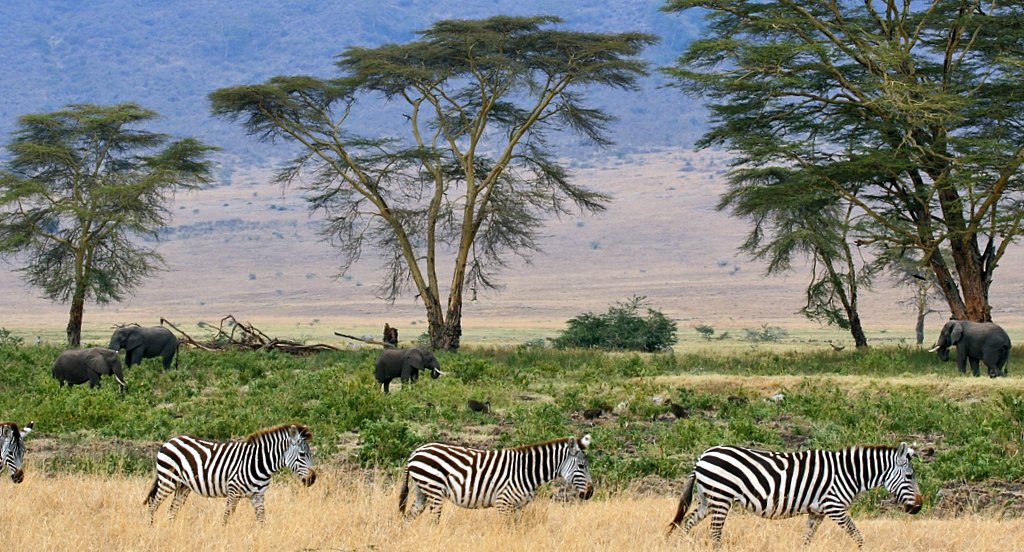
The Serengeti is the reason most people come to Tanzania. Nearly 15,000 square kilometres of open grassland, acacia woodland and granite outcrops, it holds the largest concentration of large mammals left anywhere on earth — and the annual movement of close to two million wildebeest, zebra and gazelle that crosses it in a slow, endless circle.
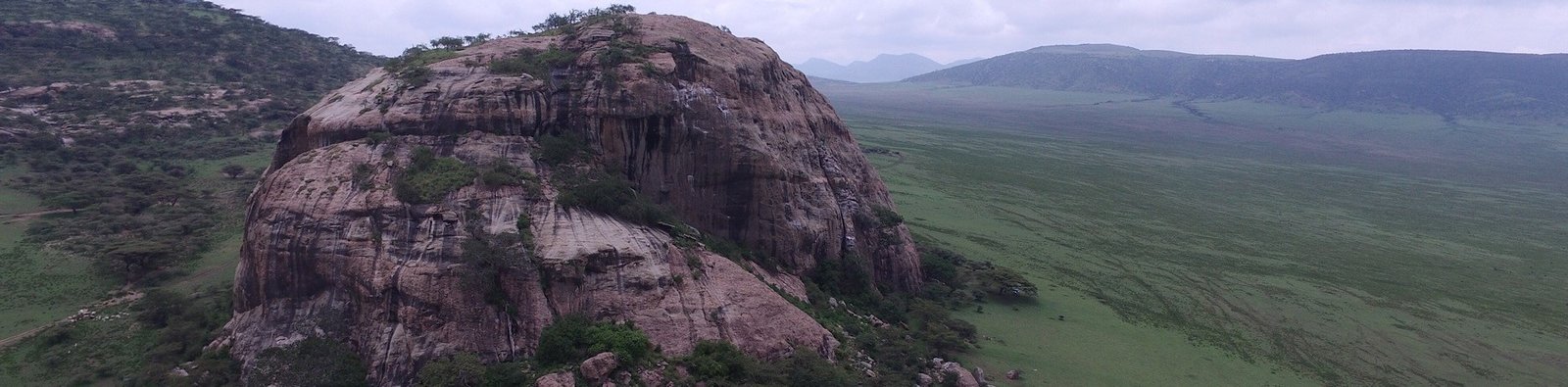
The name comes from the Maasai siringet, "the place where the land runs on forever", and the first sight of it explains the phrase better than any description can. The plains genuinely reach the horizon in every direction, broken only by flat-topped acacias and the ancient granite kopjes where lion lie up through the heat of the day.
It is enormous, and where you stay decides what you see. The park is planned in sectors, and getting those right matters more than any other decision on a Serengeti itinerary.
The southern Serengeti is short-grass plain running down to Ndutu, which straddles the park boundary with the Ngorongoro Conservation Area. This is calving country: from roughly December to March the herds are here, half a million calves are born within a few weeks of each other, and the predator action is the best of the year. Because the Ndutu side sits in the conservation area, off-road driving is permitted there — which is why photographers plan around it.
The central Serengeti is the Seronera Valley, fed by a river that holds water all year. It carries resident lion, leopard and cheetah regardless of where the migration is, which makes it the dependable sector and the busiest one. Most first visits include it, and it is the right choice when the timing of a trip is fixed but the position of the herds is not.
The northern Serengeti is the Mara River country, reached through the Kogatende and Lamai sectors. From roughly July to October the herds are here and the river crossings happen — the most dramatic and least predictable event in African wildlife. Kogatende has its own airstrip, which is why most people fly in rather than drive; it is a long way from Seronera by road.
The western corridor follows the Grumeti River almost to Lake Victoria and takes the migration through around June, with crossings of its own and a fraction of the audience. The eastern plains, out towards the Gol Kopjes and Namiri, are the emptiest part of the park and the best cheetah country in it.
Most itineraries combine two sectors, and the better camps are mobile — they move with the herds through the year rather than expecting the herds to come to them. Tell us your dates and we will tell you honestly which sectors those dates point to.
What to see here
12 places inside Serengeti National Park worth planning around.
-
Seronera Valley #
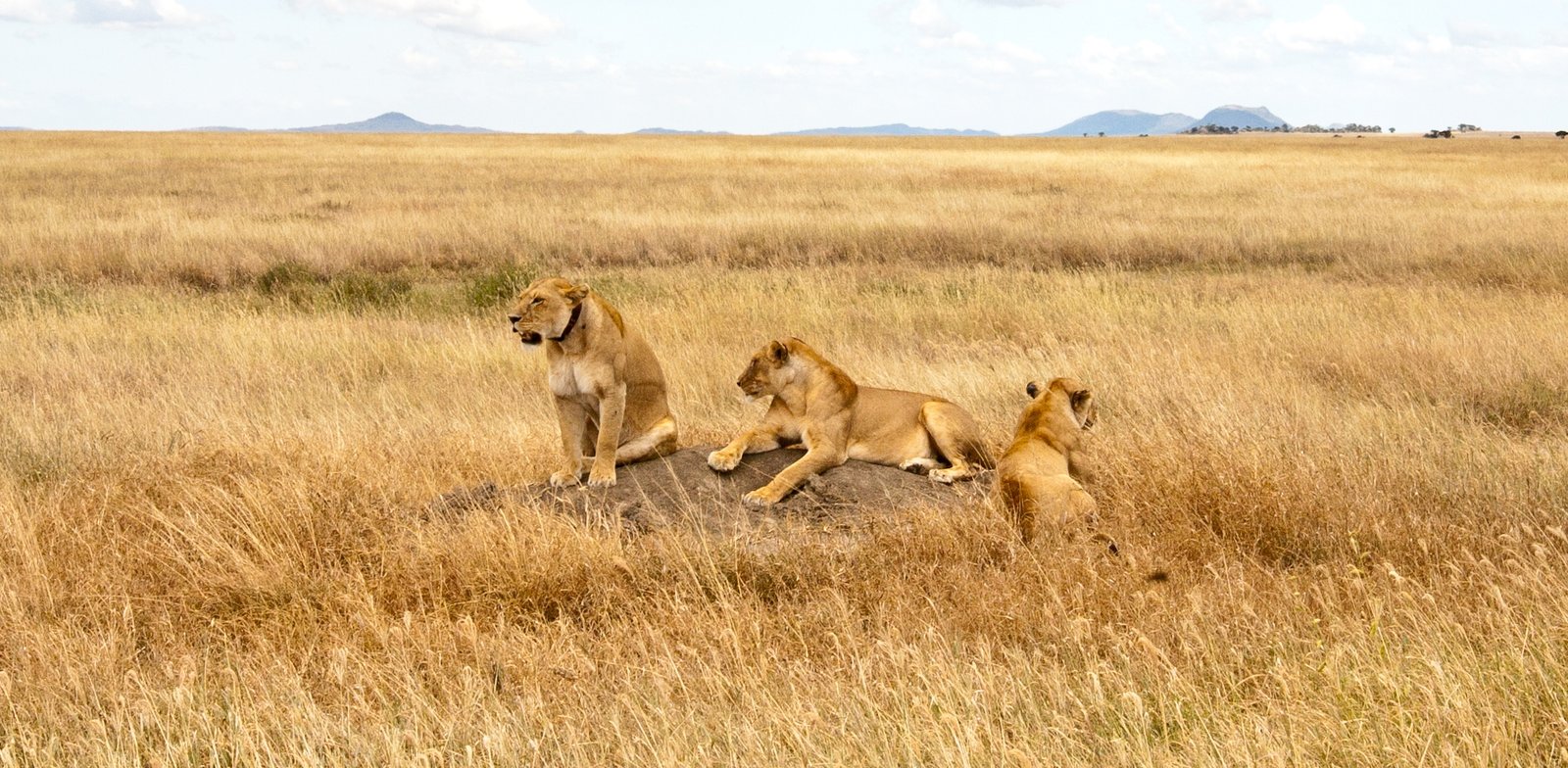
The green heart of the Serengeti, where the Seronera River holds water all year and the wildlife never leaves. It is the most reliable big-cat country in Tanzania: resident lion prides that have held the same territories for generations, leopard draped along the sausage trees at dusk, and cheetah hunting the open ground in the middle of the day, when most predators have given up on the heat.
Because it sits at the centre of the park, almost every northern-circuit itinerary passes through it, whatever the season and wherever the migration happens to be. That is its practical value: when the herds are three hours north or south, Seronera still delivers a full day of game viewing.
The trade-off is company. This is the busiest part of the Serengeti, and a leopard sighting here can gather vehicles. Going out at first light, before the main camps have finished breakfast, buys an hour or two of having it largely to yourself.
-
The Mara River Crossings #
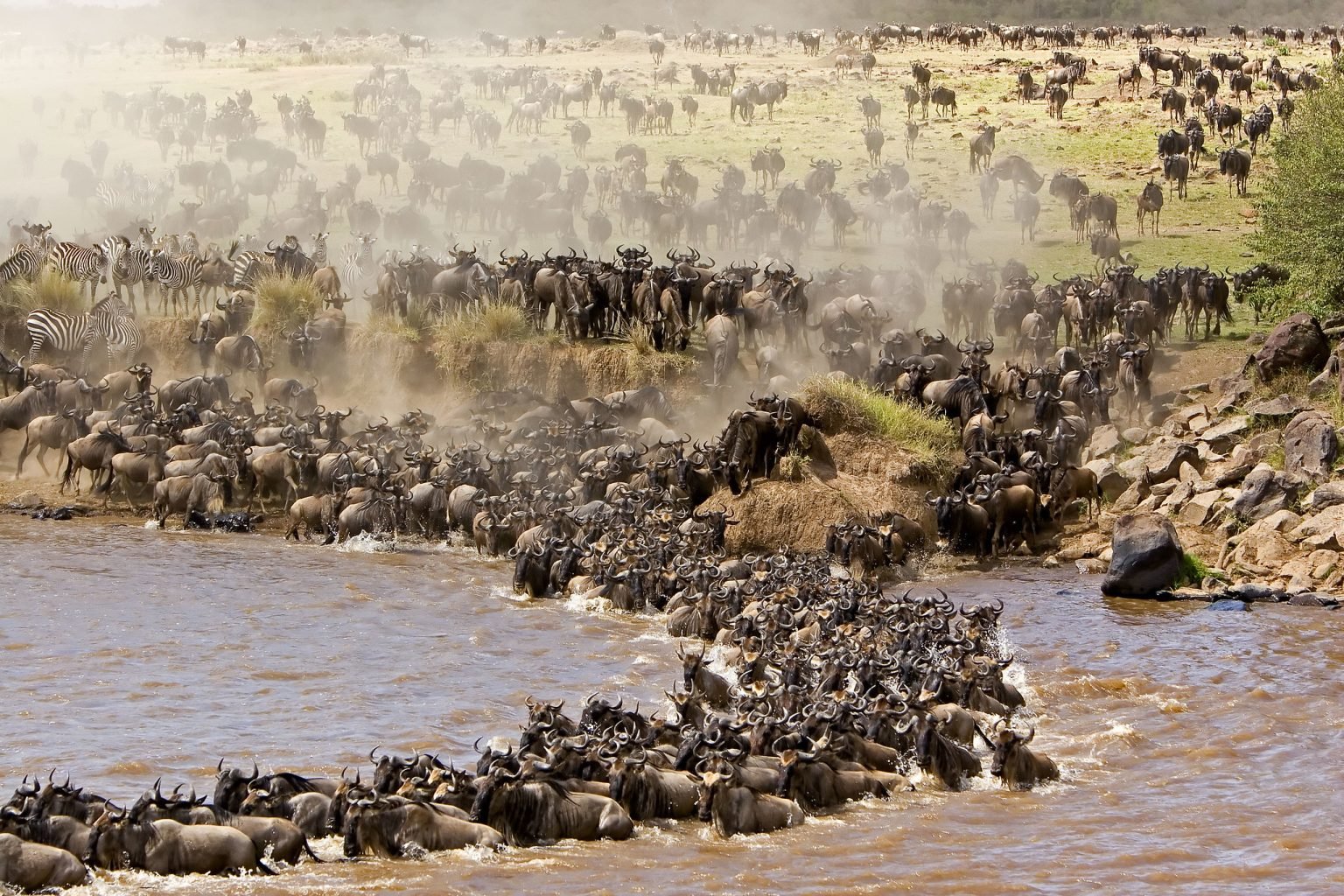
The crossings are the most photographed moment in African wildlife, and the least predictable. Between roughly July and October the migration reaches the Mara River in the northern Serengeti, and columns of wildebeest gather on the banks — sometimes for hours, sometimes for days — before one animal commits and tens of thousands follow through water holding some of the largest crocodiles in Africa.
This is the Kogatende and Lamai country, at the top of the park against the Kenyan border. Kogatende has its own airstrip and almost everyone flies in, because it is a very long drive from Seronera in the central Serengeti. The camps here are concentrated within reach of the river precisely so that a crossing can be reached at short notice when one begins.
Nothing about the timing is guaranteed. The herds cross when they decide to, they often cross back a day later, and a crossing can happen at a bend you left twenty minutes earlier. Anyone who promises you a crossing on a particular date is selling you something they cannot deliver. What can be arranged is being in the right place with enough time — two or three nights at Kogatende or Lamai is what turns this from a lottery into a strong probability.
-
Moru and Simba Kopjes #
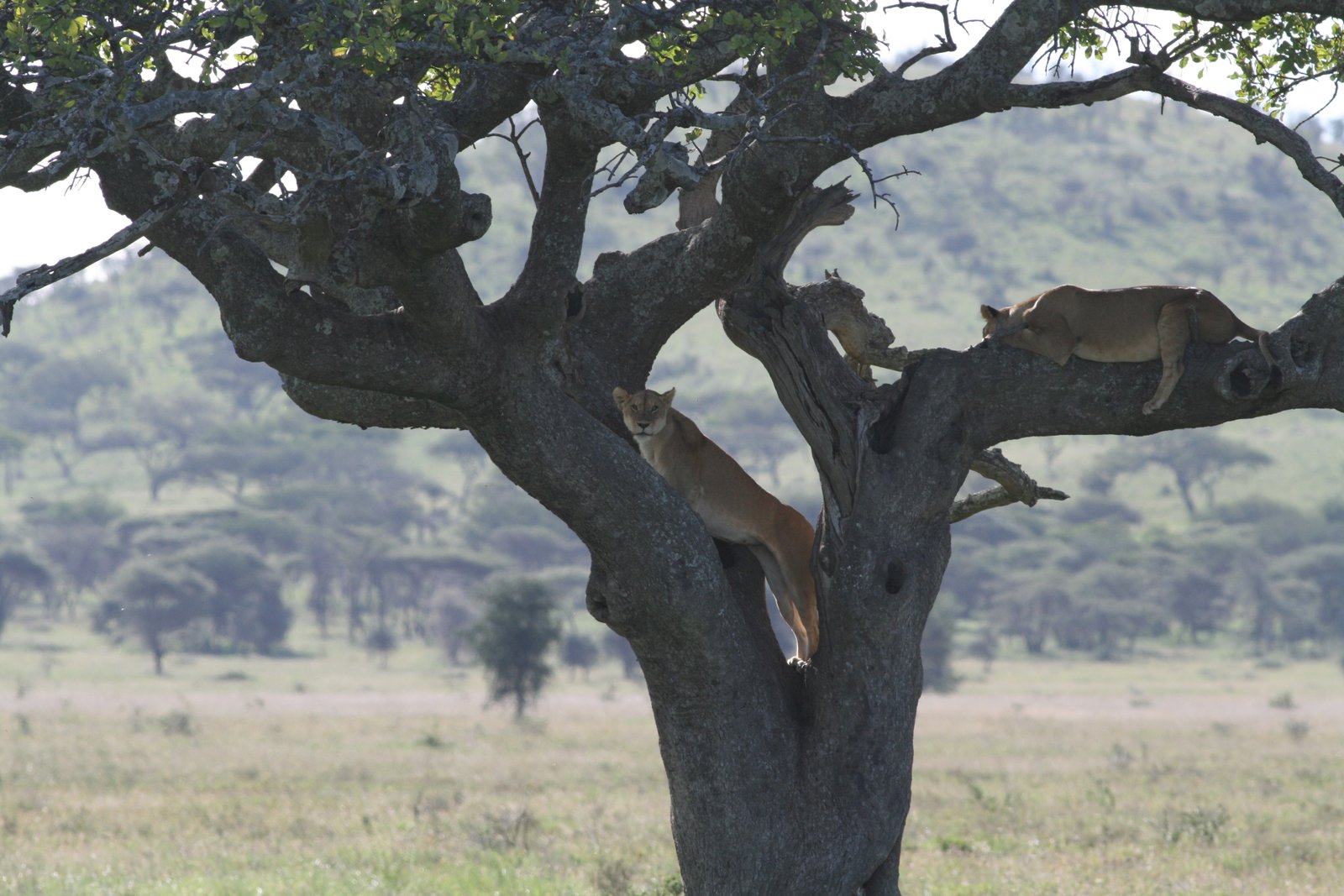
Kopjes are islands of ancient granite standing above the grass plains, and they change what lives around them. They hold rainwater in rock pools long after the plains have dried, they give lion shade and a vantage point, and they are the most dependable place in the southern Serengeti to find a pride laid out on warm stone in the early morning.
Moru, in the south-west, is the more rewarding of the two. It holds a small protected population of black rhino, and it carries Maasai rock paintings in ochre on a sheltered face, along with a set of gong rocks that ring when struck — the oldest human marks most visitors will see inside the park.
Simba Kopjes, closer to Seronera, is named for exactly what you go there hoping to find, and lives up to the name often enough to be worth the detour on the drive south.
-
Ndutu and the Southern Plains #
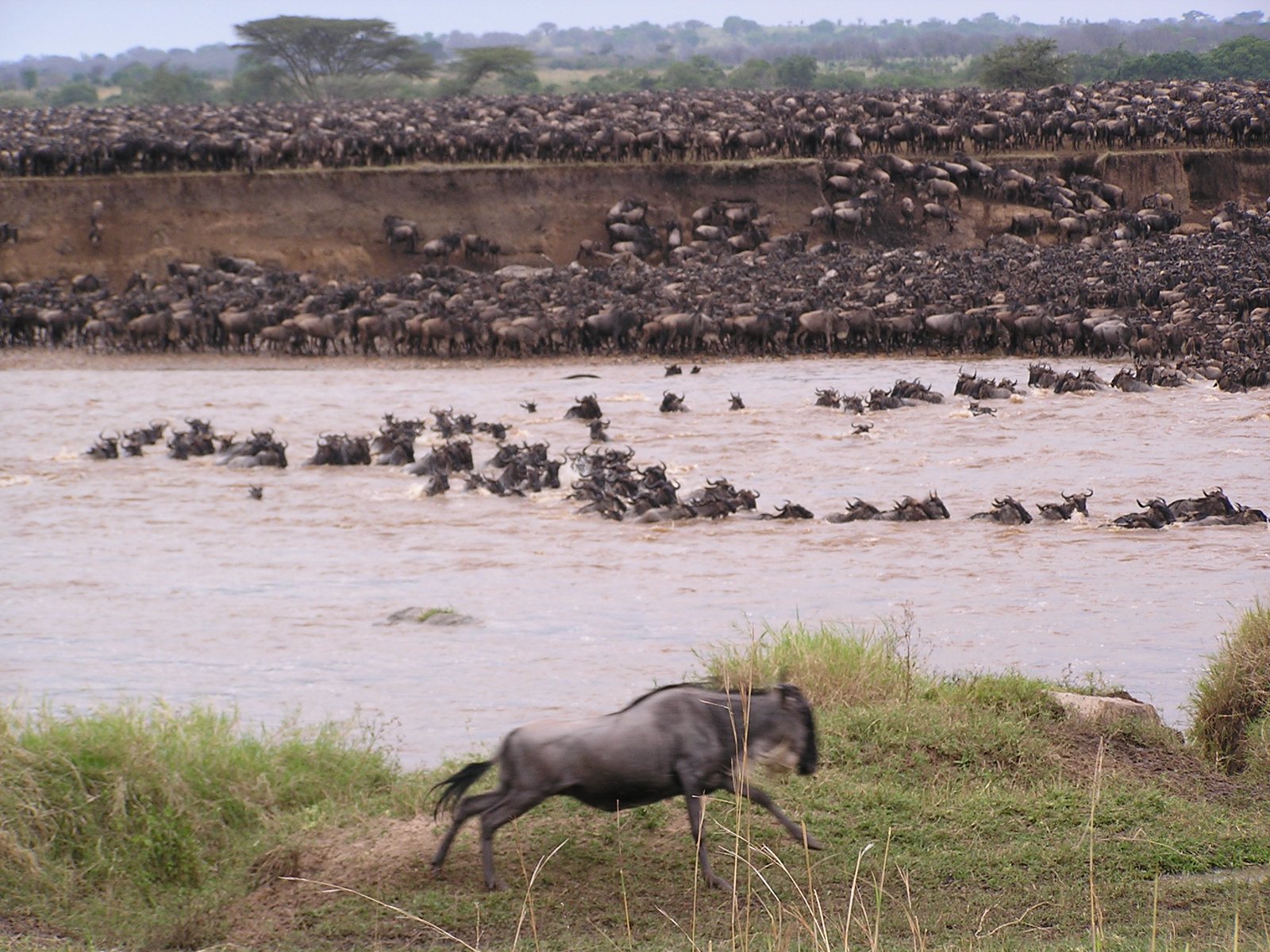
From roughly December to March the migration is not moving. It is standing on the short-grass plains around Ndutu, in the south, eating volcanic soil rich enough to carry a pregnancy — and then calving. Around half a million wildebeest are born in a window of a few weeks, most of them within about three weeks of each other.
That concentration of newborn animals draws every predator in the ecosystem, and the calving season is the best big-cat viewing of the year anywhere in Tanzania. The hunting is constant, it happens in daylight on open ground, and there is nowhere for anything to hide.
Ndutu straddles the boundary between the national park and the Ngorongoro Conservation Area, which means off-road driving is permitted on the conservation-area side. For photographers that is the difference between watching a cheetah hunt from the track and being positioned for it.
-
The Grumeti River and Western Corridor #
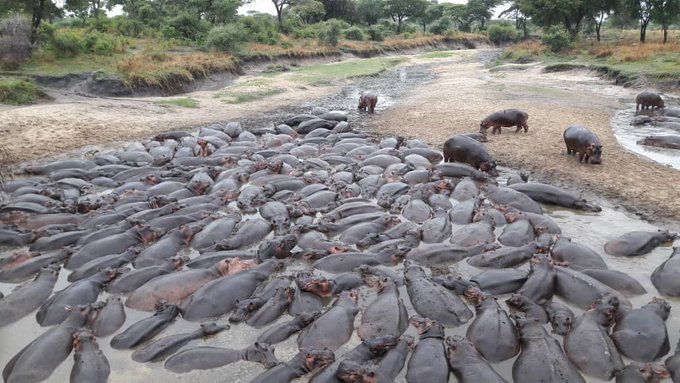
The Western Corridor runs from the central Serengeti almost to Lake Victoria, following the Grumeti River through country that feels different from the plains: riverine forest, black cotton soil, and thicker bush that holds different animals.
Around June the migration passes through here on its way north, and the Grumeti crossings — smaller and less famous than the Mara — deliver the same drama to a fraction of the audience. The river holds enormous crocodiles, some of the largest in East Africa, animals that feed heavily during the few weeks the herds are on the bank and then wait out the rest of the year.
Outside the migration window the corridor is quiet, which is the point for some travellers. It also holds resident species that are harder to find elsewhere in the park, including colobus monkey in the riverine forest and Patas monkey on the western grasslands.
-
Lobo Valley and the Northern Woodlands #
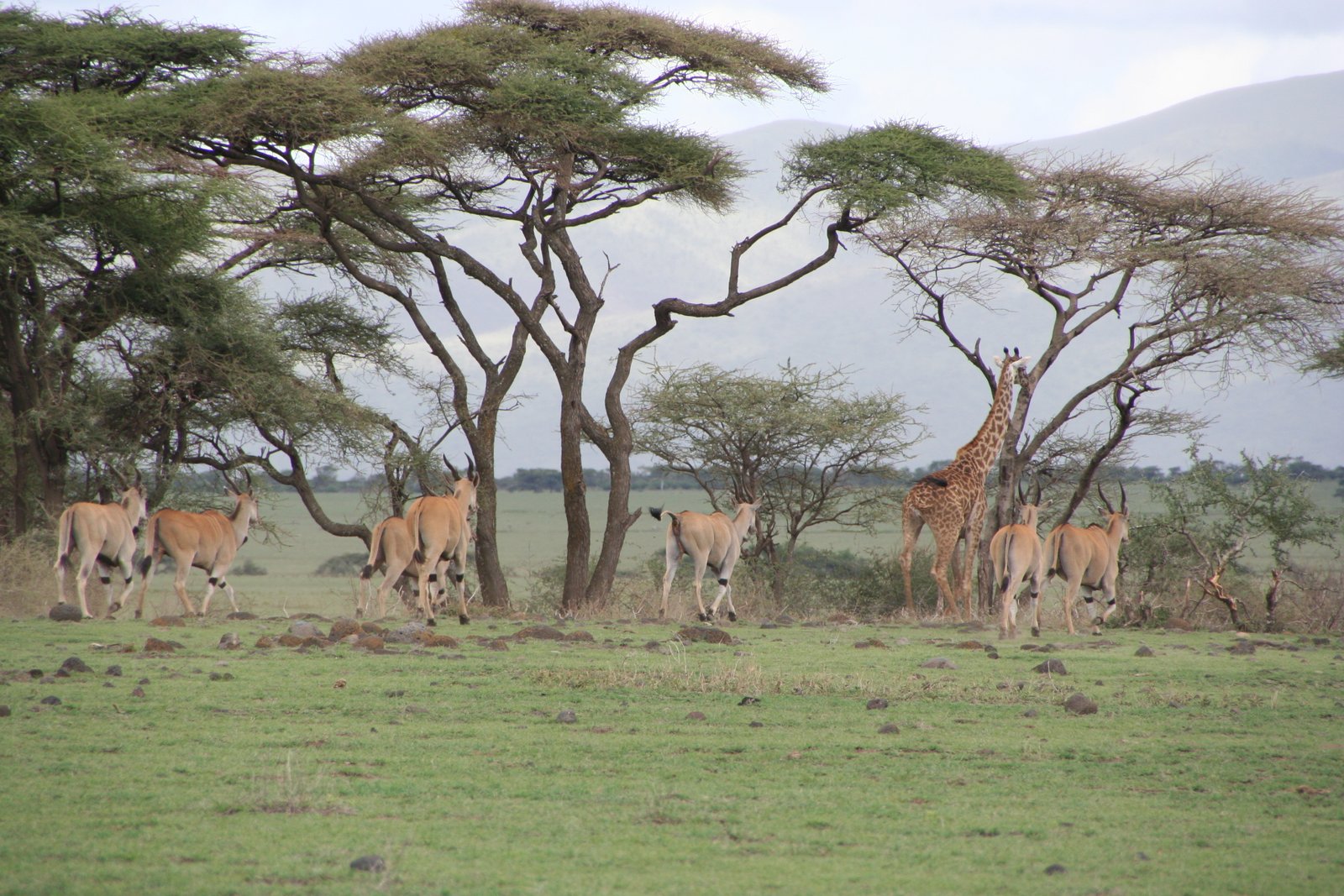
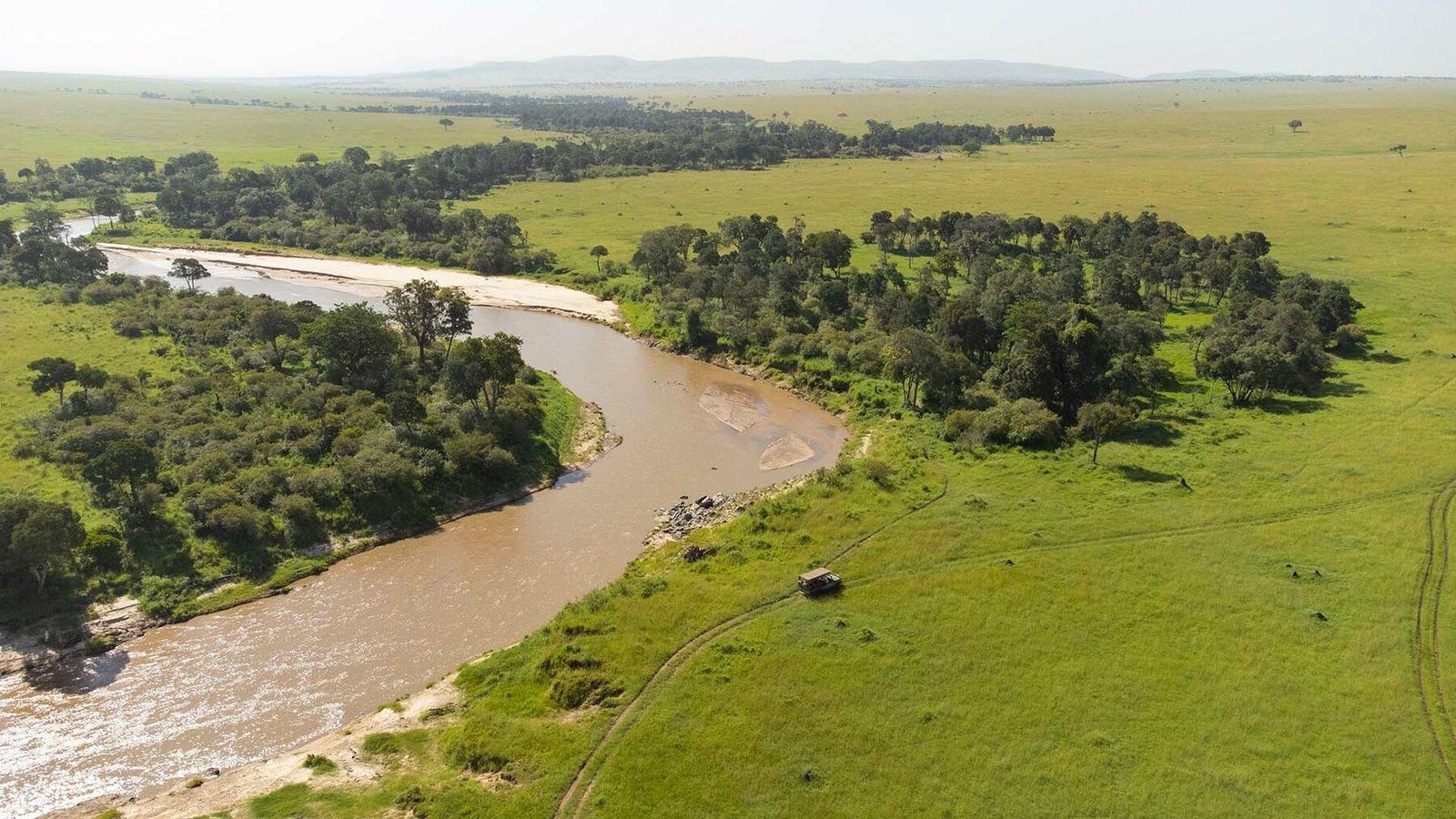
North-east of Seronera the plains give way to rolling hills, granite outcrops and acacia woodland — the Lobo area, which most itineraries drive past on the way to the Mara River and few stop in.
It holds resident game all year, which is unusual this far north: buffalo herds, elephant moving through the woodland, and lion prides that do not depend on the migration passing through. Between roughly July and November the herds are here too, and the combination of resident and migratory animals in broken, photogenic country is as good as the Serengeti gets away from the crowds.
The practical case for Lobo is space. There are far fewer camps here than in the centre of the park, the roads are quieter, and a sighting is usually yours alone. For a second or third visit to the Serengeti, it is often the more rewarding half of the trip.
-
The Gol Kopjes and Eastern Plains #
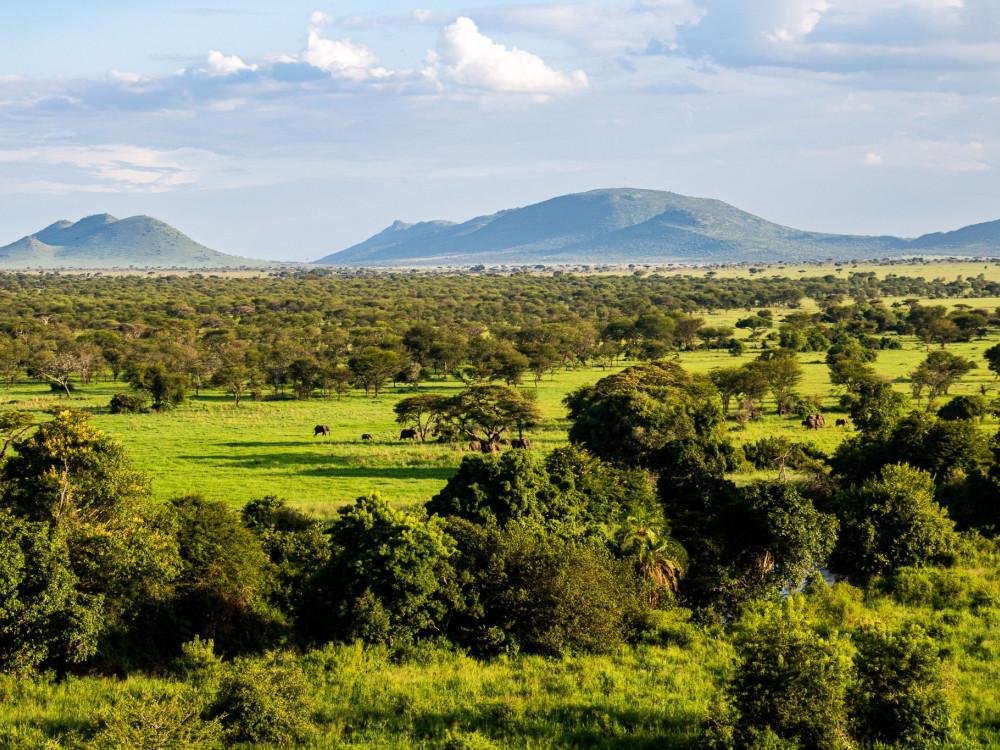
East of Seronera the country opens into the shortest grass in the ecosystem, a plain so flat and treeless that the horizon is genuinely level. Scattered across it are the Gol Kopjes, a chain of granite outcrops that hold the only shade for miles.
This is cheetah country. The open ground suits an animal that hunts by speed in daylight, and the eastern plains hold one of the highest densities of cheetah in Africa. From roughly January to March, when the migration is on the southern plains, the game viewing here is exceptional; for the rest of the year it is empty, beautiful, and very quiet.
Access needs a permit in some sections and a guide who knows the tracks, since there are few landmarks and the black cotton soil turns treacherous after rain. It is a place to be taken to rather than found.
-
Hot-Air Balloon Flights at Dawn #
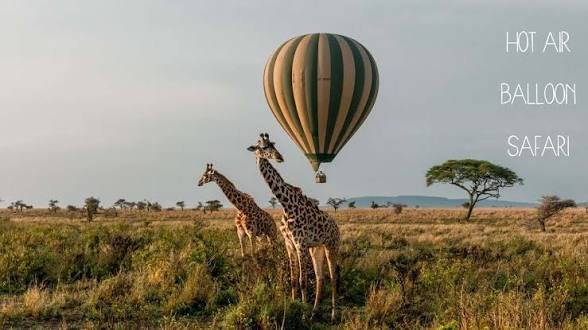
Balloons launch before sunrise from Seronera, from the southern plains near Ndutu in calving season, and from the north when the migration is on the Mara. You lift off in the dark, watch the sun come up over the plains from a few hundred feet, and drift with whatever wind the morning gives you for about an hour.
What it changes is scale. From the ground the Serengeti is a series of sightings; from the air it reads as one system — the herds strung out in lines that run to the horizon, the drainage lines picked out in dark green, the kopjes standing clear of the grass. Animals below are relaxed about balloons in a way they are not about vehicles.
Flights end with a breakfast on the plains and finish by mid-morning, so a balloon costs you nothing else in the day. It is the single most expensive hour of most safaris, and the one most people say they would do again.
-
Pictures coming soon We are still building this gallery.
Naabi Hill and the Southern Gate #
The main entrance to the park from the Ngorongoro side, and the point where the drive stops being a transfer and becomes a safari. Naabi is a granite hill standing alone above the short-grass plains, with a walking track to the top and a view that runs to the horizon in every direction.
Almost everyone stops here because the paperwork has to be done, and almost nobody walks up the hill, which is a mistake. From the summit the scale of the southern Serengeti finally makes sense: flat grassland to the curve of the earth, kopjes scattered across it like islands, and in the calving season the herds visible as a grey stain running for miles.
The picnic site under the acacias is where most crews eat lunch, so it is also the best place on the northern circuit to hear where the game has been that morning. Give it forty minutes rather than the ten the permit takes.
-
Pictures coming soon We are still building this gallery.
Retina Hippo Pool #
Where the Seronera and Orangi rivers meet, a wide bend holds a resident pod of hippo, often well over a hundred animals packed into water that barely covers them. It is one of the few places in the Serengeti where you are allowed out of the vehicle, at a marked viewpoint above the bank.
Standing there is the point. A hippo pool is not a quiet thing. It grunts, bellows, splashes and smells strongly of what a hundred animals in a shrinking pool produces, and none of that reaches you through a vehicle window. Crocodile lie on the mud between them, terrapins stack up on the crocodiles, and the whole bank is worked over by hamerkop and open-billed stork.
It sits a short drive from Seronera, so it is easily added to a morning drive, and it is at its most extraordinary late in the dry season when the water is low and the animals are crowded together. Keep to the viewpoint: this is one of the more dangerous animals in Africa, which is why the site is a marked one.
-
Pictures coming soon We are still building this gallery.
Bologonja Springs and the North-East #
The far north-eastern corner of the park, up against the Kenyan border, where clear springs feed a green riverine strip through otherwise dry hill country. It is the least visited part of the Serengeti a vehicle can reach.
The country here is different again, rolling and wooded and broken rather than open, and it holds species that are scarce elsewhere in the park, including oribi, mountain reedbuck and a small population of roan antelope. Elephant use the springs through the dry months and the birding along the water is exceptional.
The Bologonja gate on the border has not worked as a through-route for tourist traffic in many years, which is exactly why the area stays empty. Reaching it means a long drive from the Mara River camps and a guide willing to give the day to it, so it suits a third or fourth Serengeti visit rather than a first.
-
Pictures coming soon We are still building this gallery.
Guided Walking Safaris #
Walking is permitted in designated wilderness zones of the Serengeti, with an armed ranger and a walking guide, and it is the least known of the things this park offers. Most visitors never learn it is possible at all.
It changes the register completely. Instead of covering ground looking for large animals, a walk covers two or three hours and perhaps four kilometres, spent on tracks, dung, bones, termite architecture, which tree is used for what, and approaching game on foot with the wind read carefully. Standing on the ground two hundred metres from a buffalo herd is not the same animal you watched from a roof hatch.
It is offered by the camps holding walking concessions, mostly in the north, the west and around Moru, and it has to be arranged when the safari is booked rather than asked for on arrival. Departures are at first light, and ordinary fitness is enough.
Safaris that visit Serengeti National Park
Ready-made itineraries that include this destination. Every one can be tailored.
6-Day Northern Serengeti Migration & Ngorongoro Private Safari
$2,230per person
View safari
 Wings, Plains & Villages: 4-Day Luxury Fly-In Safari from Zanzibar
$2,800per person
View safari
Wings, Plains & Villages: 4-Day Luxury Fly-In Safari from Zanzibar
$2,800per person
View safari
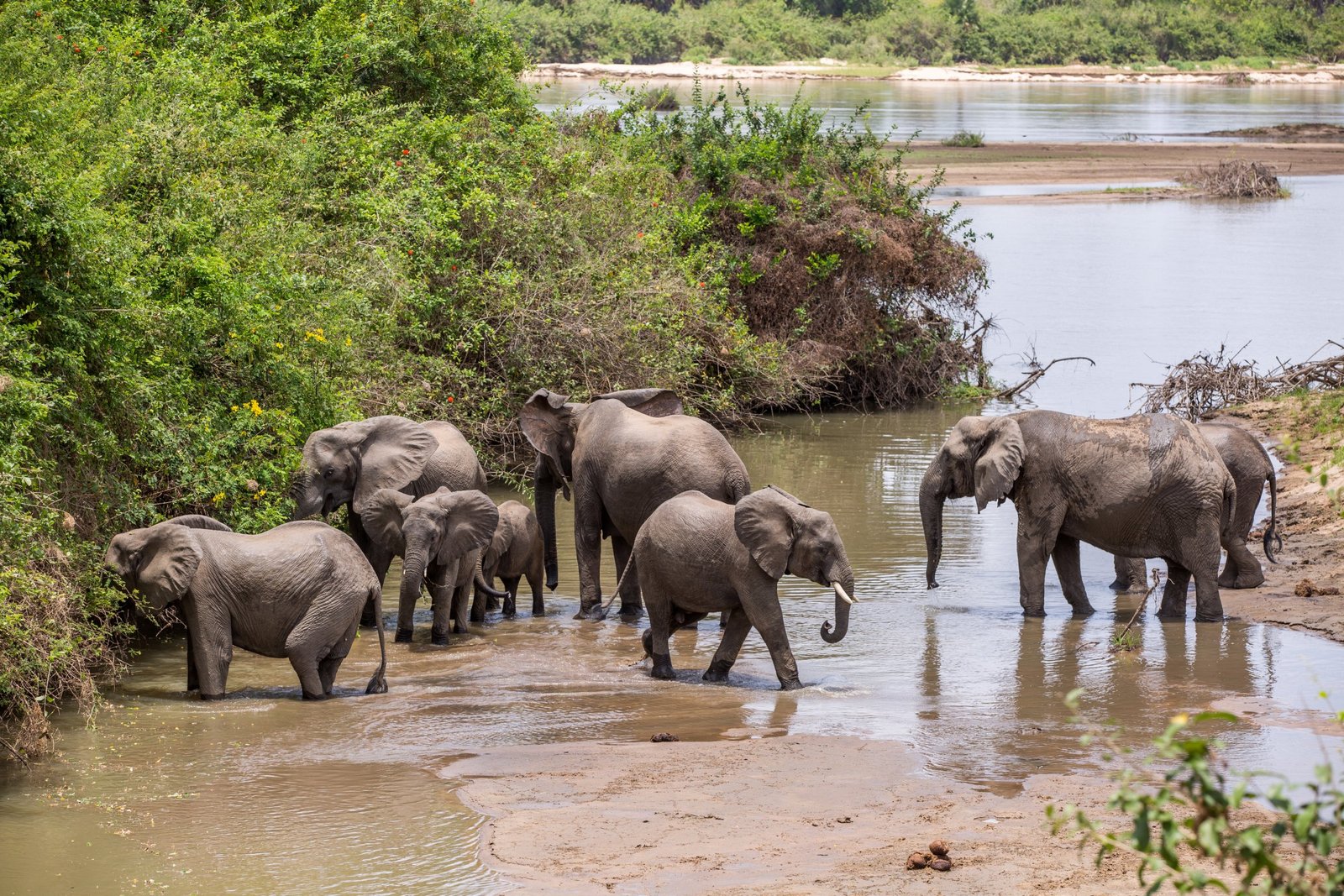 6-Day Grumeti Passage: Tarangire, Serengeti & Ngorongoro Private Safari
$2,530per person
View safari
6-Day Grumeti Passage: Tarangire, Serengeti & Ngorongoro Private Safari
$2,530per person
View safari
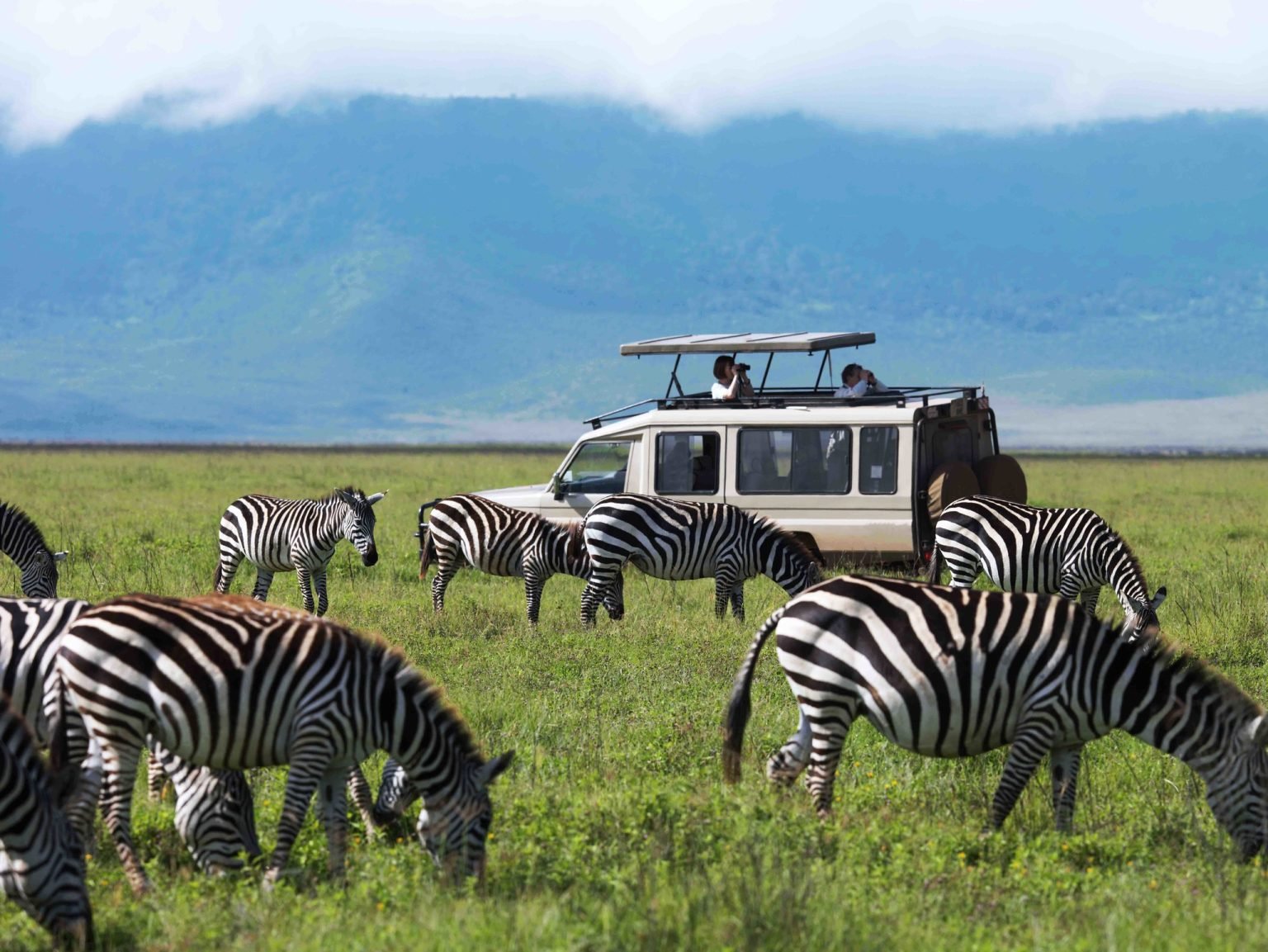 6-Day Ndutu Calving Season & Ngorongoro Private Safari
$2,170per person
View safari
6-Day Ndutu Calving Season & Ngorongoro Private Safari
$2,170per person
View safari
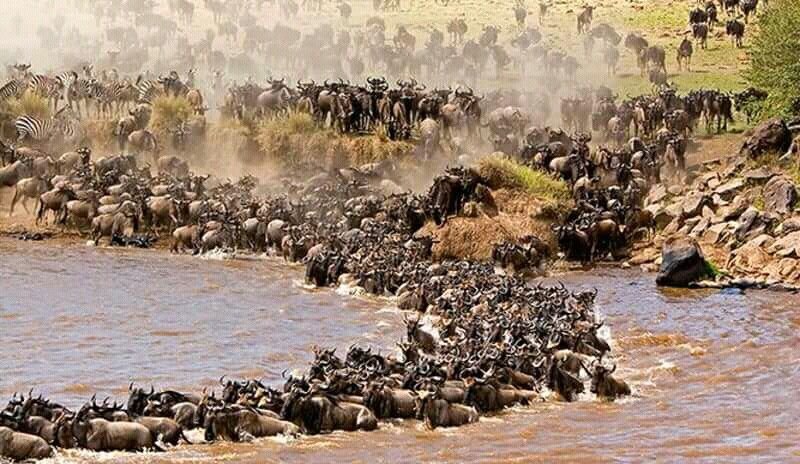 8-Day Serengeti Migration Seasons & Ngorongoro Private Safari
$3,025per person
View safari
8-Day Serengeti Migration Seasons & Ngorongoro Private Safari
$3,025per person
View safari
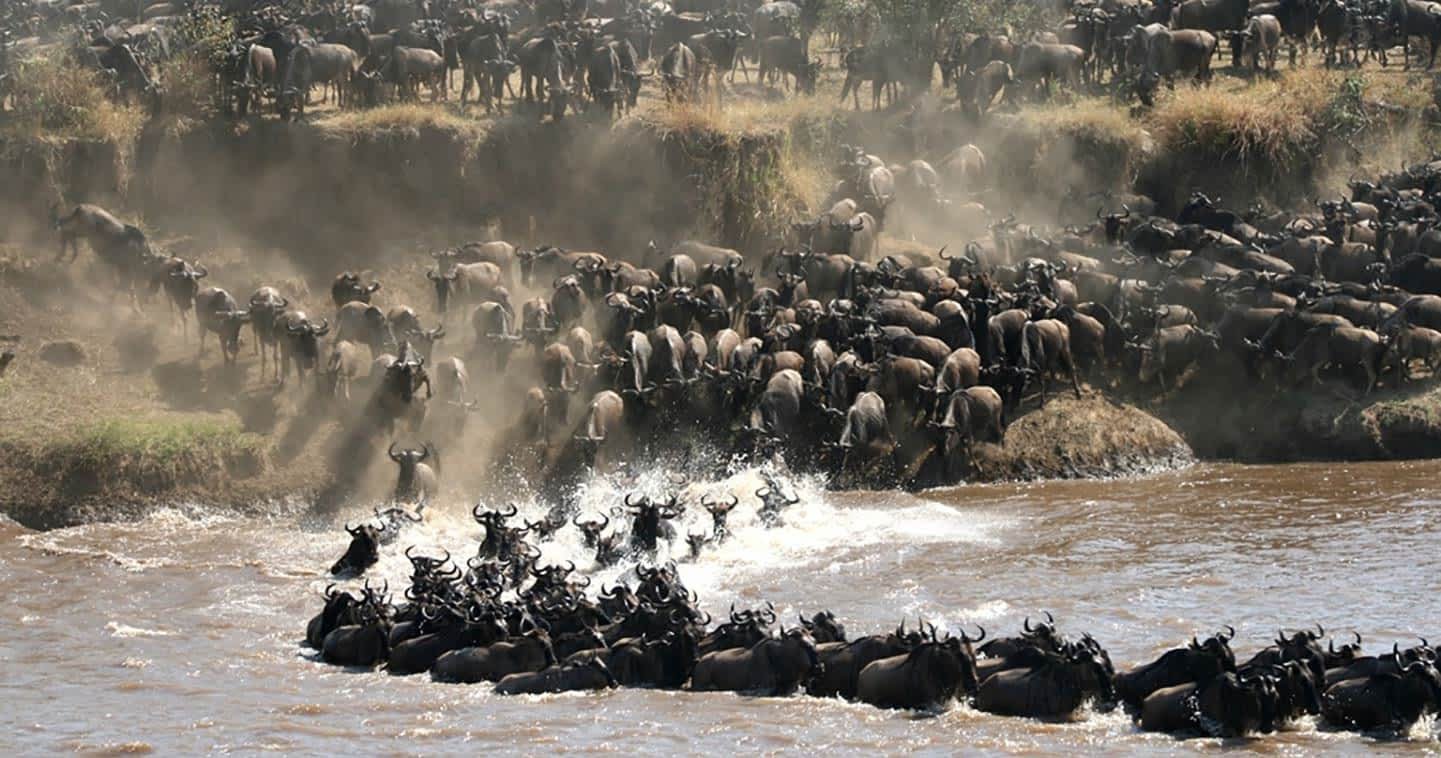 6-Day Grumeti Passage: Tarangire, Serengeti & Ngorongoro Private Safari
$2,530per person
View safari
6-Day Grumeti Passage: Tarangire, Serengeti & Ngorongoro Private Safari
$2,530per person
View safari