 6-Day Grumeti Passage: Tarangire, Serengeti & Ngorongoro Private Safari
$2,530per person
View safari
6-Day Grumeti Passage: Tarangire, Serengeti & Ngorongoro Private Safari
$2,530per person
View safari
Northern Circuit · Manyara Region
Tarangire National Park
About Tarangire National Park
Tarangire is the most underrated park on the northern circuit, and the mistake is almost always the same: it gets a single night on the way to somewhere else, when in the right months it outperforms everything else on the itinerary.
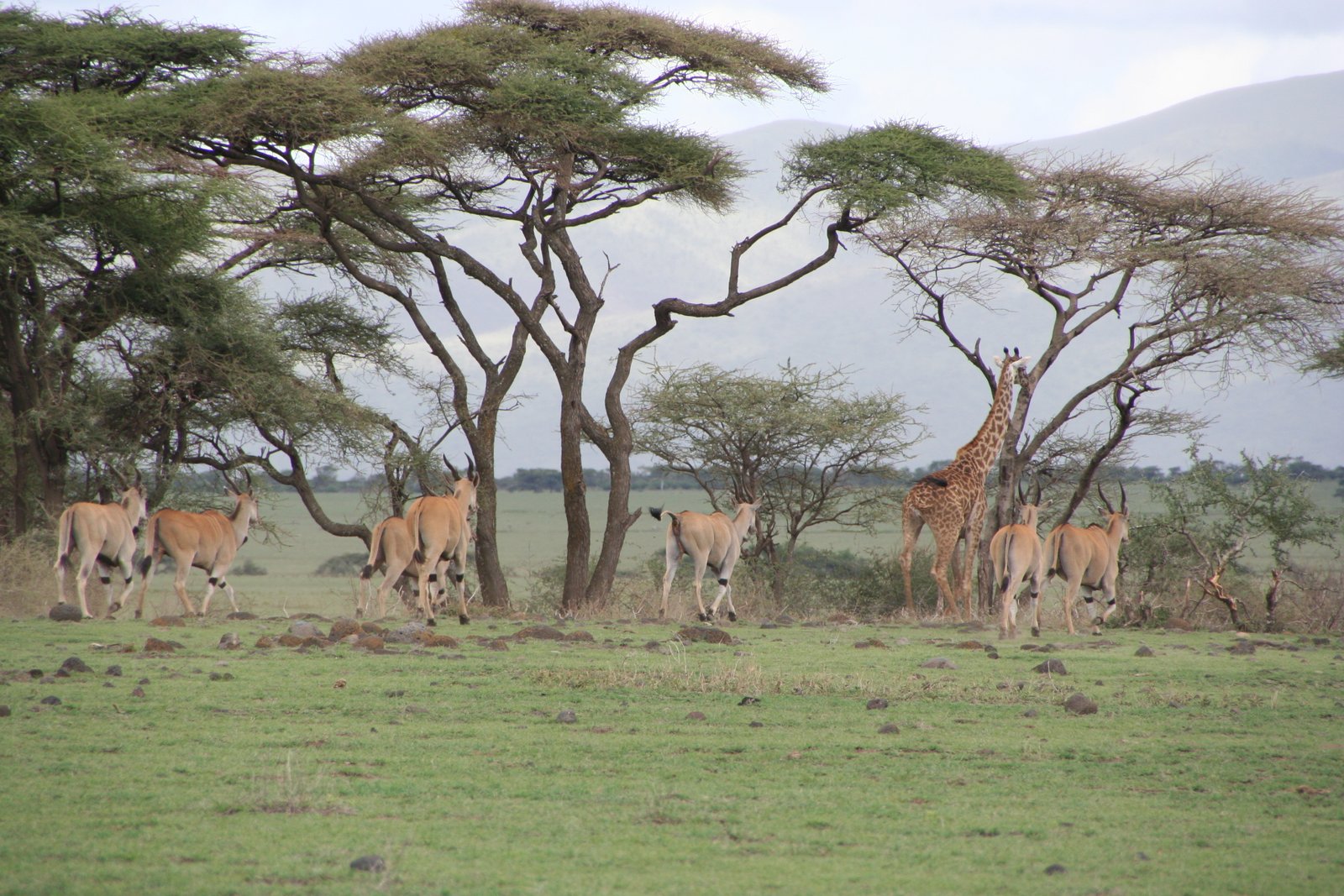
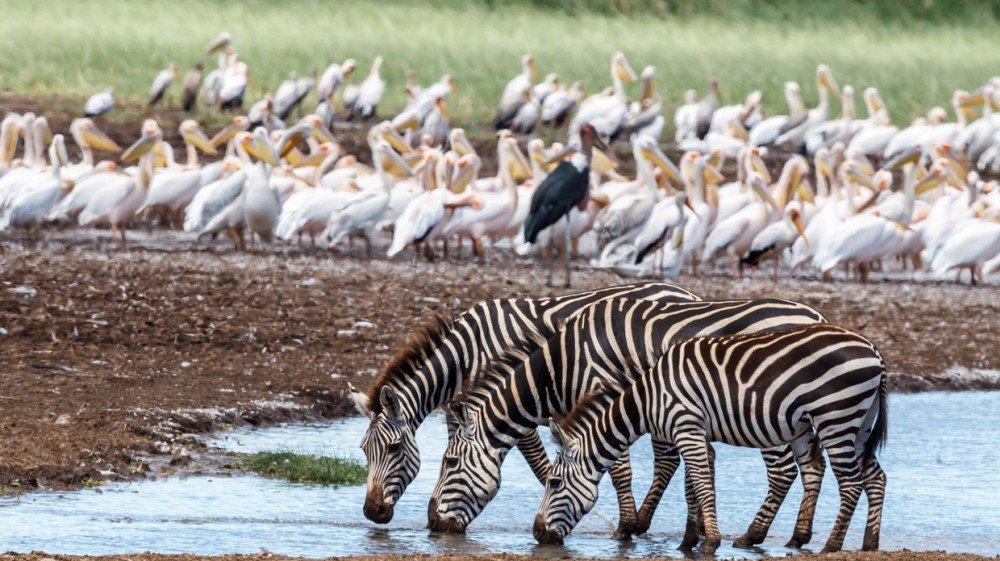
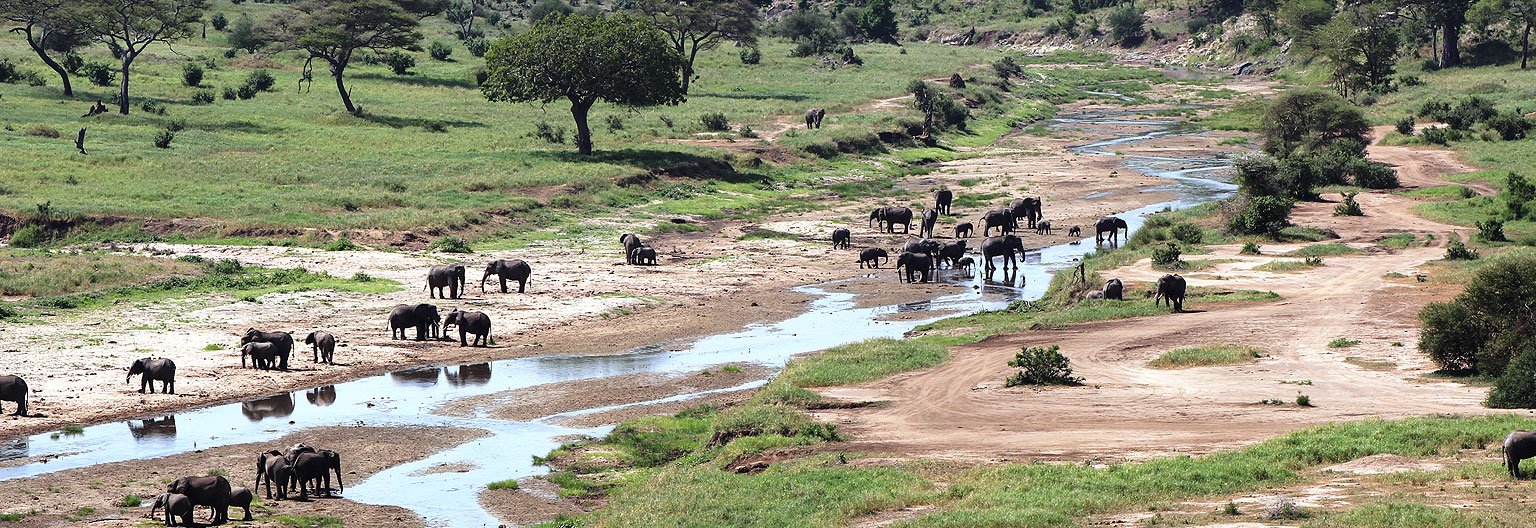
The park covers around 2,850 square kilometres of the Maasai Steppe, and the Tarangire River runs north through the length of it. In the dry season, from roughly July to October, that river is the only reliable water for an enormous area — and the animals come to it. Elephant, buffalo, zebra, wildebeest, eland and oryx concentrate along the banks in densities that rival anywhere in Tanzania, with the predators that follow them.
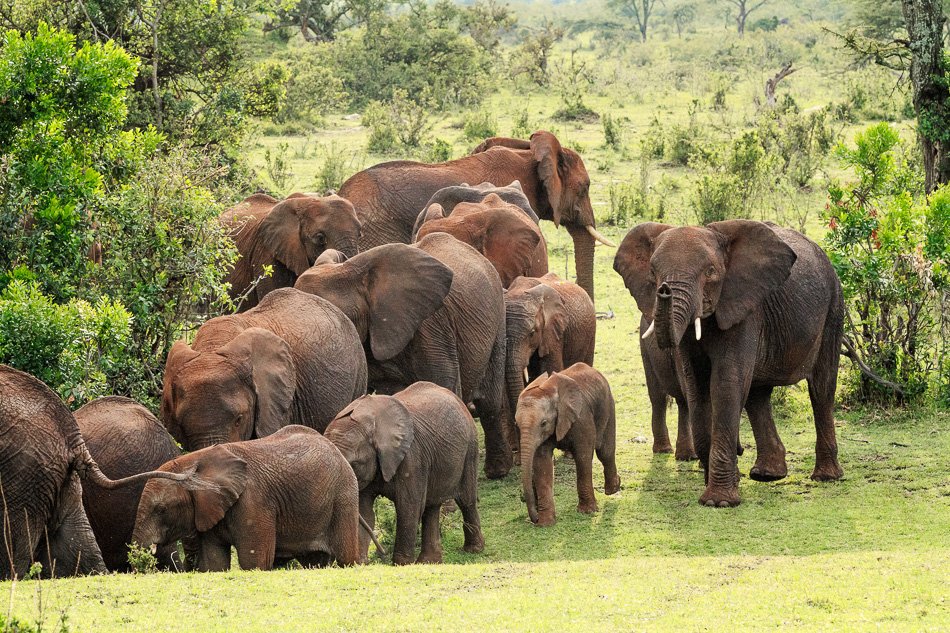
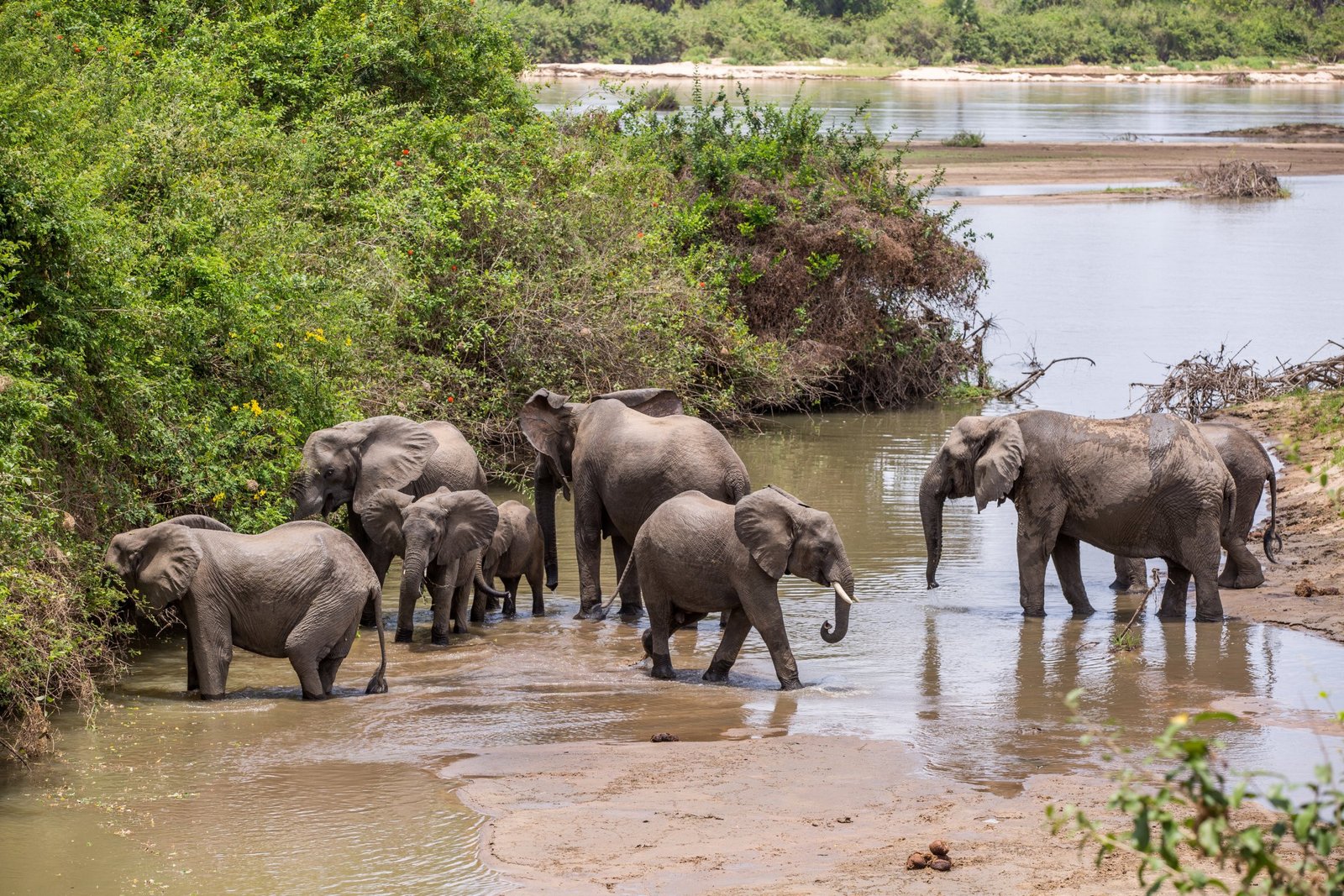
Elephant are what the park is known for. In those months Tarangire holds one of the largest concentrations in northern Tanzania, and herds several hundred strong moving to water in the afternoon are a normal event rather than a remarkable one. They dig wells in the sand of dry tributaries, strip the baobabs for moisture, and cross the river in procession with the calves shepherded in the middle.
The baobabs are the other signature. Tarangire holds the densest concentration on the northern circuit, some of them plausibly over a thousand years old, standing across the ridges and river terraces in numbers that define how the park looks. In late light, with elephants moving between them, this is the photograph people come here for.
The park has two halves in practice. The northern section, from the main gate down along the river, is what a one-night visit sees. The southern half — Silale Swamp and the country around it — lies beyond a comfortable day trip, holds the largest buffalo herds and the biggest lion prides, and is reached only by staying inside the park rather than at the gate.
The seasons here invert more sharply than anywhere else on the circuit. In the wet months, water is everywhere, the animals disperse across the wider ecosystem, and the park goes quiet for large mammals — while becoming one of the best birding destinations in the country, with over 550 recorded species and migrants arriving from November. Both versions are worth seeing; they are simply not the same park, and anyone selling you Tarangire in March on the strength of its dry-season elephant reputation is not being straight with you.
What to see here
12 places inside Tarangire National Park worth planning around.
-
The Tarangire River #
The river is the reason the park exists in the form it does. It runs north through the length of Tarangire and, critically, it holds water through the dry season when almost everything else in the Maasai Steppe has gone.
From around July to October that makes it the only reliable water for a very large area, and the animals come to it. Elephant, buffalo, zebra, wildebeest, eland and oryx concentrate along the riverbanks in numbers that rival anywhere in Tanzania, and the predators follow. In those months Tarangire is arguably the best game viewing on the northern circuit, and it is routinely given a single night.
In the wet season the picture inverts. Water is everywhere, the animals disperse across the wider ecosystem, and the park goes quiet — beautiful, green, full of birds, and much emptier of large mammals. Both versions are worth seeing; they are not the same park.
-
Pictures coming soon We are still building this gallery.
The Baobab Groves #
Tarangire holds the densest concentration of baobabs on the northern circuit, and they define how the park looks in a way no other Tanzanian landscape is defined by a single tree.
They are enormous, they are ancient — the larger ones here are plausibly over a thousand years old — and they are strange: bare for most of the year, storing water in trunks that can hold thousands of litres, with a canopy that looks like a root system, which is where the story about the tree being planted upside down comes from.
Elephants strip and gouge them for the moisture in the fibrous wood, and the scars are visible on almost every mature tree in the park. Some carry damage deep enough to see through. In late afternoon light, with elephants moving between them, the baobab country is the photograph most people come to Tarangire for.
-
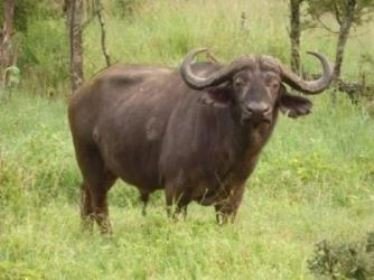
Silale Swamp #
A large seasonal wetland in the southern half of the park, and the part of Tarangire most visitors never reach because it lies beyond a comfortable day trip from the main gate.
In the dry season the swamp holds green grazing long after the surrounding country has burnt off, and it draws big elephant herds and enormous buffalo aggregations. The lion prides here are among the largest in northern Tanzania — the buffalo numbers support prides of a size the plains cannot — and there are lions in this area with a documented habit of climbing trees.
Reaching Silale means staying inside the park rather than at the gate, and giving Tarangire two or three nights instead of one. That is the single change that most improves a northern-circuit itinerary, and it is the one we most often suggest when someone asks what to add.
-
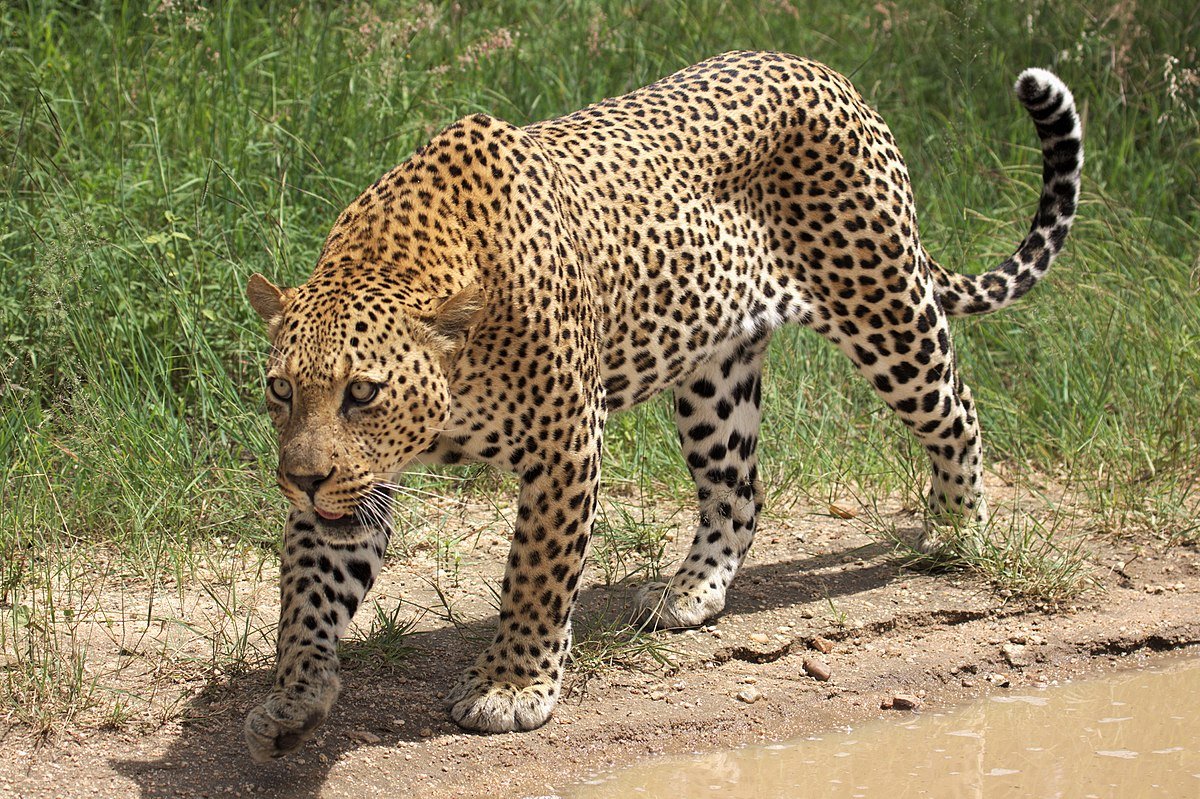
Tree-Climbing Lions and Leopard #
Lions climbing trees is not typical behaviour for the species, and only a handful of populations across Africa do it habitually. Tarangire is one, along with Lake Manyara down the road.
Nobody is certain why. The usual explanations are escaping biting flies in the tall grass, catching a breeze in the heat of the day, and getting a vantage point over long vegetation. Whatever the reason, the sight of a full-grown lioness draped along a horizontal branch of a sausage tree in the middle of the afternoon is one of the odder things in East African wildlife viewing.
Leopard use the same trees for the more conventional reason — cached kills and daytime shade — and Tarangire's leopard density is good, helped by riverine woodland along the drainage lines. Both are found by driving slowly and looking up, which is not how most people watch for cats.
-
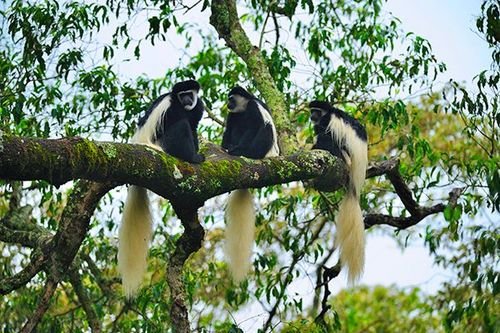
Birdlife of the Northern Plains #
Tarangire's bird list runs to over 550 species, which is among the highest of any Tanzanian park, and it is the reason serious birders give it more time than general safari travellers do.
The mix is unusual because the park sits where dry-country species meet woodland and wetland ones. Yellow-collared lovebird and ashy starling are near-endemics found easily here and hard elsewhere. The swamps hold storks, herons and enormous numbers of waterfowl in the wet months. Ostrich, kori bustard and ground hornbill work the open ground, and the woodland carries hornbills, barbets and rollers.
From November to April migrants from Europe and Asia arrive on top of the residents, and the park is at its best for birds at precisely the season when it is quietest for mammals — which makes green-season Tarangire a much better trip than its reputation suggests.
-
Pictures coming soon We are still building this gallery.
The Elephant Herds #
Tarangire is elephant country before it is anything else. In the dry months the park holds one of the largest concentrations in northern Tanzania, and herds of several hundred moving to the river together are a normal afternoon rather than a remarkable one.
What makes the viewing here different is the behaviour on show. These are family groups in a landscape they use intensely — digging for water in the sand of dry tributaries, stripping baobabs, crossing the river in procession with calves shepherded in the middle. You watch elephants doing things here rather than simply standing in grass.
The population came through the poaching decades better than many, and there are still old cows carrying serious ivory leading these herds. Guides who work the park know individual families, and being told who you are looking at changes the sighting entirely.
-
Pictures coming soon We are still building this gallery.
Night Drives and Walking Safaris #
Driving after dark is not permitted inside Tanzania's national parks, and neither is walking away from the vehicle in most of them. Tarangire is one of the few northern-circuit destinations where both are genuinely available, on the private concessions bordering the park.
A night drive shows you a different set of animals entirely: genet, civet, white-tailed mongoose, bushbaby, porcupine, and the occasional leopard or lion actually hunting rather than sleeping. Most of the mammal species in this ecosystem are nocturnal, and a daytime safari simply never meets them.
Walking with an armed guide changes the scale of everything. You stop looking for big animals and start reading tracks, dung, termite architecture and the plants people use, and you notice you have been driving past all of it for a week. Both need to be booked with a camp that has concession access, which is a reason to choose accommodation carefully here.
-
Pictures coming soon We are still building this gallery.
Lemiyon and the Northern Plains #
The triangle of open country just inside the main gate, where most vehicles spend their first and last hour in the park and where a surprising amount happens.
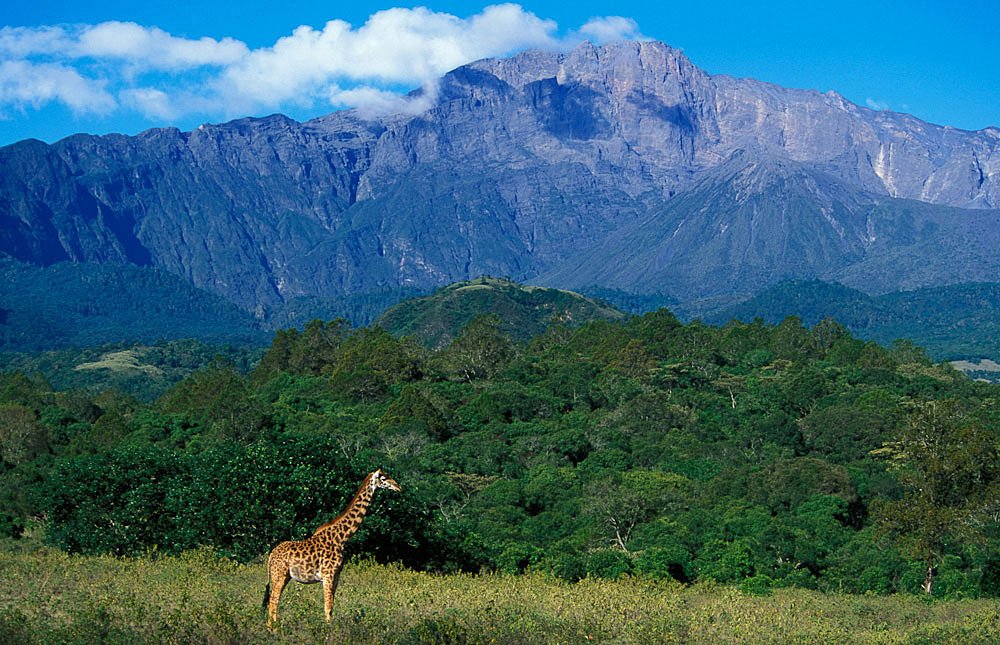
Lemiyon is flatter and more open than the river valley, with scattered baobabs and acacia standing in grassland. It holds the park's most reliable dry-country species — oryx and gerenuk are both possible here and are found in very few other places on the northern circuit — along with ostrich, giraffe and the plains game that draws cheetah onto the open ground.
Because it is the first section of the park, it tends to be treated as the drive in rather than a destination. Giving it a slow morning, rather than crossing it at speed on the way to the river, regularly turns up the animals people came to Tanzania hoping for and had written off.
-
Pictures coming soon We are still building this gallery.
The Southern Loop: Gursi and Larmakau #
Most vehicles turn back at Silale, which means the whole southern half of Tarangire is effectively a different park. Beyond the swamp the tracks run on through Gursi, Larmakau and the Nguselororobi country, and traffic falls to almost nothing.
The reward is space rather than a single sight. This is where the park's larger buffalo herds hold through the dry months, where the elephant bulls go when the north gets busy, and where lion prides live that never see a vehicle from one week to the next. The country is more open than the north, dotted with baobab and dead flat in places, and the horizon does most of the work.
It is a long day. The drive down and back from the northern gate takes most of the daylight, so the south really wants a night at one of the few southern camps, or a fly-camping trip. For a second visit to Tarangire it is the obvious way to spend it.
-
Pictures coming soon We are still building this gallery.
Termite Mounds and the Small Predators #
The termite mounds of Tarangire are one of the defining features of the landscape, standing a couple of metres above the grass in their thousands, and they are considerably more interesting than they look from a moving vehicle.
An abandoned mound is prime property. Dwarf mongoose colonies take them over and live in them, posting sentries on the top and mobbing anything that comes close, and they are among the most entertaining animals in the park to sit with for twenty minutes. Bat-eared fox den in them, monitor lizards use them, and rollers, hornbills and shrikes perch on them because they are the only high point for a hundred metres.
Stopping is the whole trick. A guide who is willing to switch the engine off and wait at a mound will find you more behaviour in half an hour than another hour of driving will, and it costs nothing. It is also the best small-mammal viewing on the northern circuit, which children in particular tend to remember longer than the elephants.
-
Pictures coming soon We are still building this gallery.
Randilen and Burunge Community Areas #
Tarangire is not fenced, and the land immediately outside it is not empty. Randilen, on the northern boundary, and Burunge, to the west towards Lake Manyara, are Wildlife Management Areas: village land that the communities themselves set aside for wildlife, and which now carries much of the movement in and out of the park.
For a visitor that means two things. The corridors that let elephant leave Tarangire in the wet season run through here, so the WMAs are the reason the ecosystem still functions rather than a curiosity beside it. And because they are village land rather than national park, they permit activities the park does not: night drives, walking, and off-road driving to a sighting.
Several camps sit inside them. Staying in one costs less in park fees, puts the money directly into village accounts, and generally gives quieter game viewing with the park itself a short drive away. The wildlife is the same wildlife; it simply has not read the boundary.
-
Pictures coming soon We are still building this gallery.
The Maasai Steppe Dispersal #
Tarangire is a dry-season park, and understanding why explains the whole place. Between roughly June and November the Tarangire River is the only permanent water for a very long way, and animals concentrate on it from an area many times the size of the park itself.
When the rains come, that pressure releases. The herds walk out east and north into the Maasai Steppe, to Simanjiro and Lolkisale, where the short-lived grass is far richer than anything inside the park, and the wildebeest and zebra calve out there rather than under the baobabs. From about December to April a great deal of Tarangire's game is simply somewhere else, on land that has no protection except agreements with the villages who own it.
It is worth knowing before you plan. The park is at its most spectacular in the late dry season and at its quietest and greenest in the rains, and the difference is not a matter of luck but of where several thousand animals happen to be standing.
Safaris that visit Tarangire National Park
Ready-made itineraries that include this destination. Every one can be tailored.
6-Day Grumeti Passage: Tarangire, Serengeti & Ngorongoro Private Safari
$2,530per person
View safari
 8-Day Serengeti Migration Seasons & Ngorongoro Private Safari
$3,025per person
View safari
8-Day Serengeti Migration Seasons & Ngorongoro Private Safari
$3,025per person
View safari
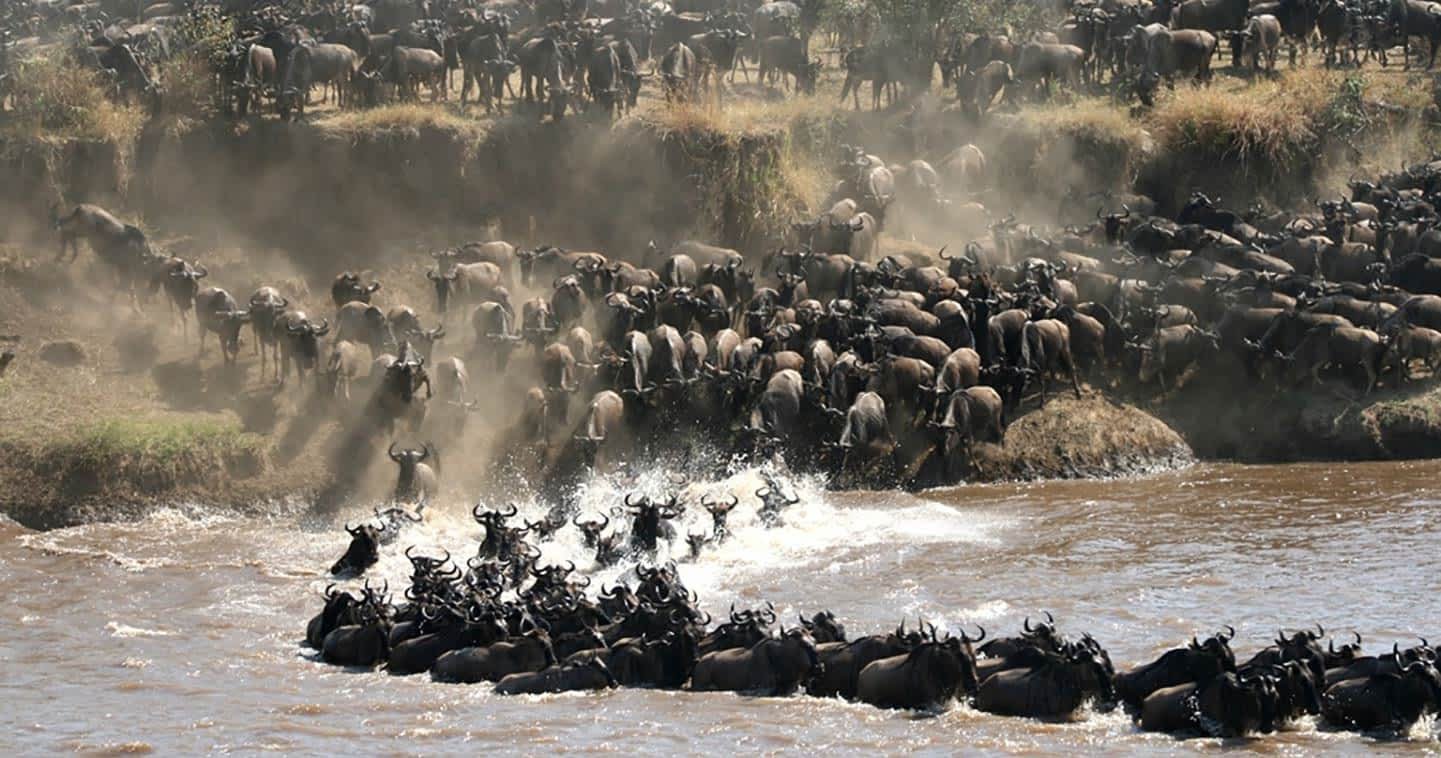 6-Day Grumeti Passage: Tarangire, Serengeti & Ngorongoro Private Safari
$2,530per person
View safari
6-Day Grumeti Passage: Tarangire, Serengeti & Ngorongoro Private Safari
$2,530per person
View safari
 7-Day Serengeti Migration & Ngorongoro Luxury Sky Safari
$4,095per person
View safari
7-Day Serengeti Migration & Ngorongoro Luxury Sky Safari
$4,095per person
View safari
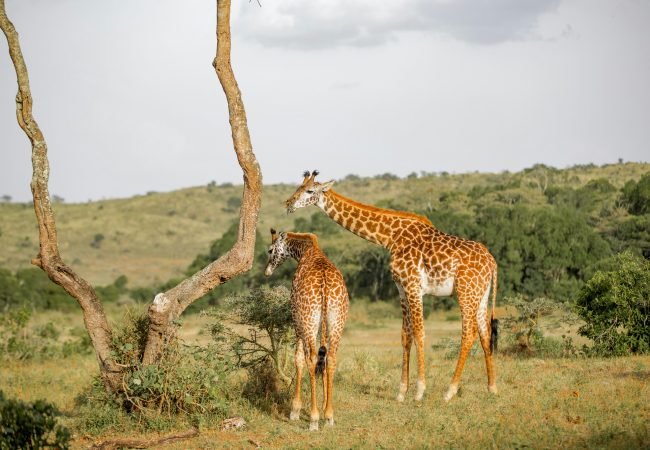 Under Canvas: 6-Day Camping Safari with Two Serengeti Nights
$1,201per person
View safari
Under Canvas: 6-Day Camping Safari with Two Serengeti Nights
$1,201per person
View safari
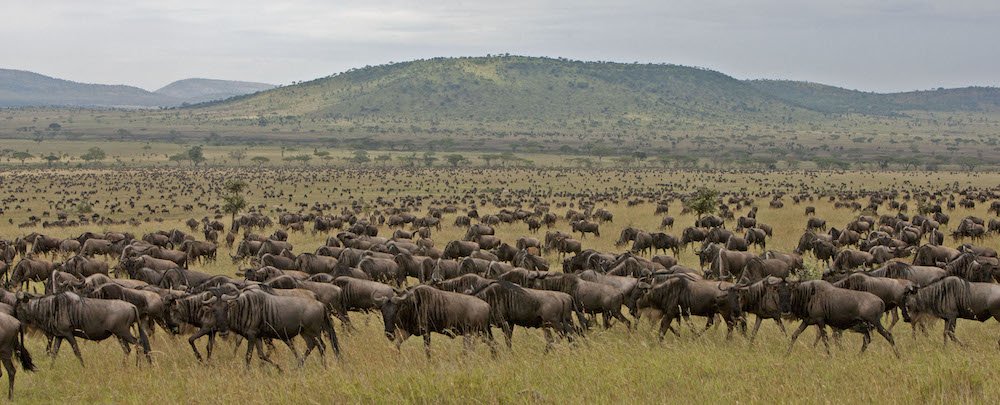 Two Hearts, Wild Places: 6-Day Luxury Honeymoon Safari
$3,722per person
View safari
Two Hearts, Wild Places: 6-Day Luxury Honeymoon Safari
$3,722per person
View safari