
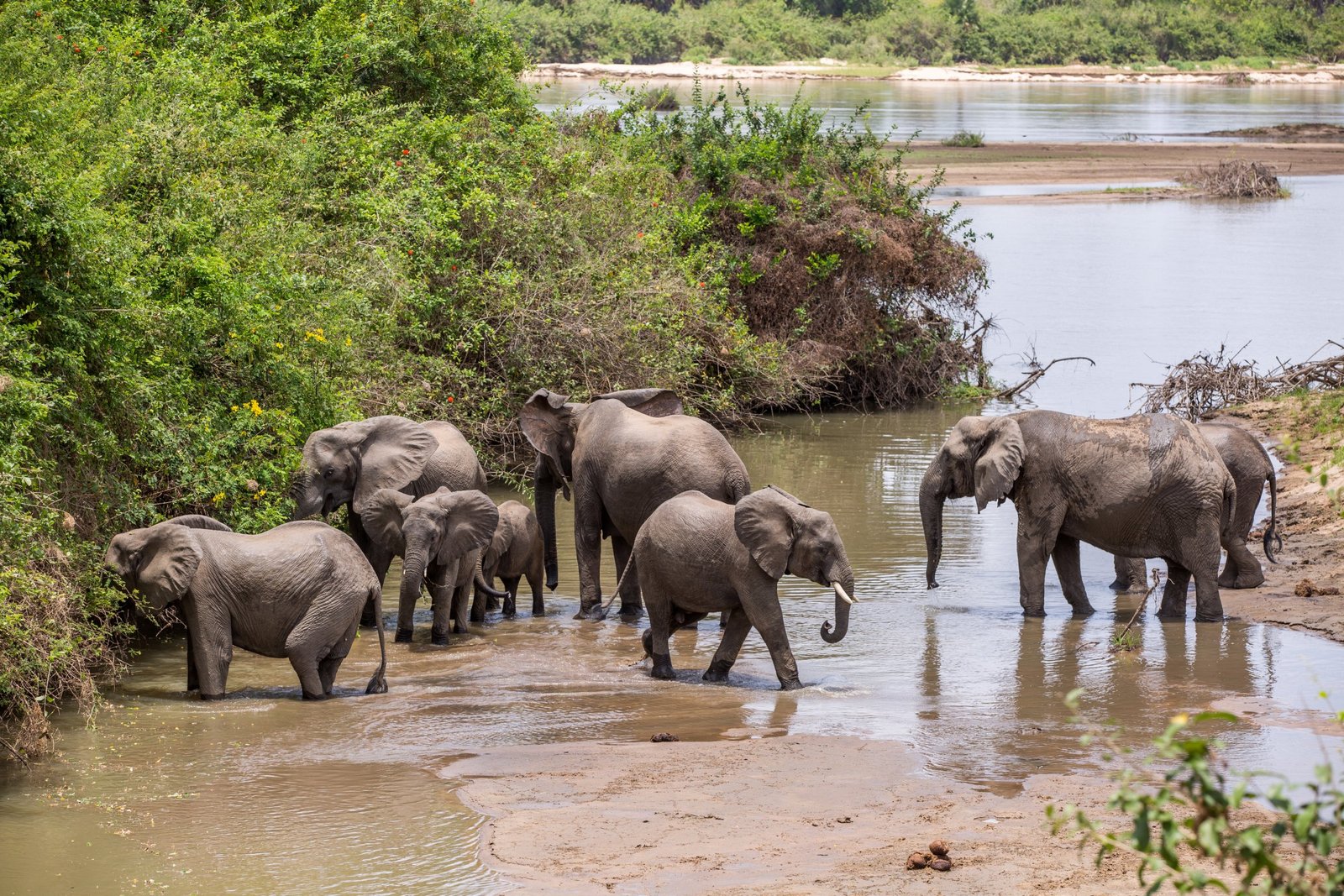
 Three Days Wild: Fly-In Safari from Zanzibar - Serengeti & Ngorongoro Crater
$2,002per person
View safari
Three Days Wild: Fly-In Safari from Zanzibar - Serengeti & Ngorongoro Crater
$2,002per person
View safari
Indian Ocean · Unguja Island
Zanzibar
About Zanzibar
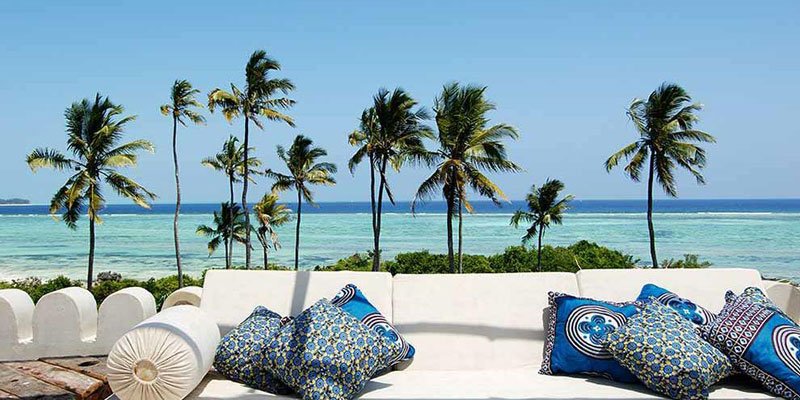
Zanzibar is where most Tanzanian trips end, and the reason is straightforward: after a week of early starts and long drives, an island an hour's flight away with a functioning airport and a coral reef is exactly what a safari should hand over to.
But it is a genuine destination rather than an appendix. Unguja — the main island, which most people mean when they say Zanzibar — was the trading capital of the Swahili coast, the largest clove producer in the world, and one of East Africa's principal slave markets. Stone Town, a UNESCO World Heritage site, is what that history built: coral rag houses, carved doors, balconies almost touching over lanes narrow enough to get lost in, and an Anglican cathedral standing deliberately on the site of the last slave market, with the holding cells preserved beneath it.
Where you stay on the island decides what your week is like, and the coasts are genuinely different from one another. The north — Nungwi and Kendwa — has deep sand and very little tidal variation, so you can swim at any hour of any day; it is the busiest and the right answer for a straightforward beach week. The east coast, at Paje and Jambiani, sits behind a reef with a lagoon that empties twice a day; swimming is a matter of timing, but the flat shallow water and steady cross-shore wind have made Paje one of the best kitesurfing locations in the world. The south-east is quieter again, and the west is Stone Town, the port and the sunsets.
Offshore, Mnemba Atoll holds the best-protected reef in Zanzibari waters and Chumbe Island has been a fully protected marine sanctuary since 1994 — thirty years of no fishing, and the coral shows it. Inland, Jozani Chwaka Bay Forest holds the Zanzibar red colobus, a monkey found nowhere else on earth.
Most people give the island three or four nights. That is enough for a beach and one excursion. Five or six lets you take Stone Town seriously, get out to a reef, see the forest and still do nothing for two days, and it is the version people are happier with.
Zanzibar is a semi-autonomous part of Tanzania with its own immigration desk, so arriving from the mainland involves a passport check even on a domestic flight. It is also predominantly Muslim: swimwear belongs on the beach and resort grounds, and covering shoulders and knees in Stone Town and the villages is a small courtesy that is noticed and appreciated.
What to see here
12 places inside Zanzibar worth planning around.
-
Pictures coming soon We are still building this gallery.
Stone Town #
A UNESCO World Heritage site and the old trading capital of the Swahili coast, built in coral rag and mangrove poles by Omani Arabs, Indian merchants and African traders whose architecture ran together into something that belongs to none of them separately.
The town is a maze on purpose — narrow lanes that turn back on themselves, carved doors that announce the wealth and faith of whoever lived behind them, balconies almost touching overhead. You will get lost. That is the correct way to see it, and the town is small enough that any lane eventually reaches the seafront.
It carries a darker history plainly. Zanzibar was one of East Africa's principal slave markets, and the Anglican cathedral stands on the site of the last one, with the holding cells preserved beneath it. The former slave market memorial is the most important half-hour a visitor can spend on the island, and it is not a comfortable one.
-
Nungwi and Kendwa Beaches #
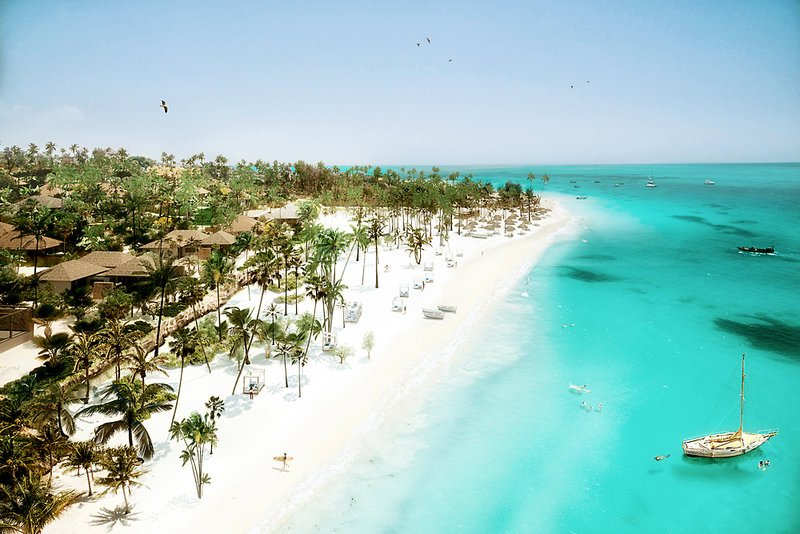
The north-western tip of the island, and the beaches most people picture when they picture Zanzibar: deep white sand, water in three distinct blues, and — crucially — very little tidal variation.
That last point decides where you should stay. On the east coast the tide goes out for hundreds of metres and swimming is a matter of timing. At Nungwi and Kendwa you can swim at any hour of any day, which for a beach week at the end of a safari is usually what people actually want.
The two differ in character. Nungwi is the larger and busier, with a working dhow-building beach at one end, dive operators, and a nightlife that runs late. Kendwa, a few kilometres south, is quieter and more spread out, and its sunsets face directly west over open water. Both are about an hour and a half from Stone Town and the airport.
-
Pictures coming soon We are still building this gallery.
Mnemba Atoll #
A ring of coral off the north-east coast surrounding a single private island, and the best-protected reef in Zanzibari waters. The island itself is a closed resort, but the atoll and its marine reserve are open to day boats, and that is where the value is.
The snorkelling is exceptional by any standard: hard and soft coral in good condition, reef fish in numbers, turtles reliably, and dolphin around the outside of the reef often enough to be worth the early start. Divers get wall dives on the eastern side with bigger pelagic species passing through.
Boats leave from Matemwe and Nungwi in the early morning, when the water is clearest and the wind has not got up. A reserve fee applies per person on top of the boat, and it goes to the marine park — the reason this reef is in the condition it is while others nearby are not.
-
Pictures coming soon We are still building this gallery.
Jozani Chwaka Bay Forest #
The last significant stand of the groundwater forest that once covered much of central Zanzibar, and the only place on earth to see the Zanzibar red colobus — a monkey found nowhere else, with perhaps a few thousand individuals left, most of them here.
The troops around the main trail are habituated to the point of indifference and feed in the canopy a few metres overhead, which makes this one of the easiest primate sightings in Africa. Sykes monkey, bushbaby and a long list of birds share the forest.
A boardwalk runs out through the mangroves on the Chwaka Bay side, which is worth doing for the change of habitat and the explanation of how the whole system works — mangrove, forest and reef connected. The whole visit takes about two hours and sits conveniently between Stone Town and the east-coast beaches.
-
Pictures coming soon We are still building this gallery.
The Spice Farms #
Zanzibar was the largest clove producer in the world in the nineteenth century, and the spice trade is the reason the island had the wealth to build Stone Town. The farms inland from the town are working smallholdings rather than museums, and a tour is led by someone who grows the things.
What makes it worth doing is that almost nothing is recognisable. Nutmeg, cardamom, cinnamon, turmeric, black pepper, vanilla, lemongrass, ylang-ylang — you are shown the tree, the bark, the root or the pod, and asked to identify it by smell before being told. Most people get almost none of them right, and never think about a spice rack the same way again.
Tours run half a day and usually include a fruit tasting and lunch. They are inexpensive, they are genuinely educational, and they put the rest of the island's history in order.
-
Pictures coming soon We are still building this gallery.
Paje and Jambiani #
The south-east coast, and a different Zanzibar from the north: a shallow lagoon held behind a reef a kilometre offshore, a tide that empties it twice a day, and a steady cross-shore wind for much of the year.
That combination has made Paje one of the best kitesurfing locations in the world. The lagoon is waist-deep, flat, and forgiving, which makes it as good for a first lesson as for an expert; schools line the beach and run courses from a single afternoon upwards. The wind is most reliable from roughly June to September and again from December to February.
Jambiani, a few kilometres south, is the quieter version — a long village strung out along the beach, seaweed farmers working the lagoon at low tide, and small guesthouses rather than resorts. Between tides the water is too shallow to swim in, which is exactly why it stays uncrowded.
-
Pictures coming soon We are still building this gallery.
Prison Island and the Tortoises #
A small island twenty minutes by boat off Stone Town, built as a prison for rebellious slaves and then used as a quarantine station for yellow fever — it never actually held prisoners, which makes the name the least accurate thing about it.
What it holds now is a colony of Aldabra giant tortoises, a gift from the Seychelles in the late nineteenth century, some of them well over a hundred years old with their hatch years painted on their shells. They are large, extremely slow and entirely unbothered by people, and children tend to remember them longer than anything else on the island.
The reef on the far side has decent snorkelling for a site this close to town, and the ruined quarantine buildings are worth walking through. It is a half-day trip and the standard way to fill an afternoon between a flight and a sunset.
-
Pictures coming soon We are still building this gallery.
Chumbe Island Coral Park #
A tiny island south-west of Stone Town that has been a fully protected marine sanctuary since 1994, and the difference protection makes is immediately visible underwater. The reef sanctuary on its western side is closed to all fishing and has been for thirty years.
The result is a coral garden in a condition that is now genuinely rare in the region — over two hundred species of hard coral, hundreds of reef fish species, and a reef structure that is intact rather than broken. You snorkel it straight off the beach; no boat ride out, no depth required.
The island also runs an eco-lodge with a handful of bandas built to catch rainwater and run on solar, and a protected coral rag forest holding the rare coconut crab. Day visits and overnight stays are both limited by design — the numbers are capped to protect the reef, so this is one to book well ahead.
-
Pictures coming soon We are still building this gallery.
Kizimkazi and the Dolphins #
At the southern tip of Unguja, the fishing village of Kizimkazi sits beside a resident population of humpback and bottlenose dolphins, and boats go out at first light to find them.
It needs saying plainly that this activity has a poor reputation, and that it earned it. Done badly it is a dozen boats chasing one pod and dropping swimmers in front of them, which is stressful for the animals and unpleasant to be part of. Done properly, with one boat, the engine cut, waiting for the pod to choose to come, and no swimming near calves, it is calm and genuinely memorable. The difference is entirely which operator you go with, and it is worth insisting on the right one.
The village has a second and quieter claim. The Dimbani mosque here carries a Kufic inscription dated to 1107, which makes it one of the oldest surviving Islamic buildings in East Africa, and it is still in use. It stands unmarked among the houses, five minutes from the beach the boats leave from.
-
Pictures coming soon We are still building this gallery.
Safari Blue and the Menai Bay Sandbanks #
From Fumba on the south-west coast, traditional sailing dhows run a full day out into Menai Bay, a conservation area of mangrove islands, reefs and sandbanks that appear and disappear with the tide.
The day has a well-worn shape: snorkelling on a reef, an hour on a sandbank that is nothing but white sand and turquoise in every direction, a swim in a mangrove lagoon, then grilled seafood under the palms on Kwale island and a table of tropical fruit most people cannot name half of. Dolphins are often met on the way out, and the sail home is under canvas when the wind allows.
It is the most popular excursion on the island for good reason, and it is also the one to book on a smaller boat if you can. The bay is a protected area managed together with the fishing villages around it, and the fees are part of what pays for that.
-
Pictures coming soon We are still building this gallery.
Michamvi and the Sunset Coast #
Zanzibar's east coast faces the sunrise, which means that for most of the island the sun sets behind you over the interior. The Michamvi peninsula, at the northern end of that coast, is the exception: it curls back on itself so its western shore looks out over Chwaka Bay and the sun goes down over water.
That geography is why people drive up here at five in the afternoon from Paje and Jambiani, half an hour to the south. The best-known stop is the small restaurant built on a rock in the sea off Michamvi Pingwe, which you walk to at low tide and reach by boat at high, a photograph most people have seen without knowing where it was taken, and a decent lunch besides.
The peninsula itself stays quiet: a handful of lodges, a working village at Michamvi Kae, and a beach that keeps its water at low tide, unlike the east coast proper where the sea withdraws almost a kilometre twice a day.
-
Pictures coming soon We are still building this gallery.
Matemwe and Pongwe #
Between the party beaches of the north and the kite schools of the south-east lies a stretch of north-east coast that has stayed a working shoreline: Matemwe, and the small bay at Pongwe below it.
Matemwe is a long fishing village with lodges spread thinly behind the dunes, and it is the closest point on the island to Mnemba Atoll, so the snorkelling and diving boats leave from directly in front of it. At low tide the reef flat empties and the whole village walks out onto it, seaweed farmers tending their lines in rows, women coming back with baskets, dhows sitting on the sand waiting for the water.
Pongwe, a few kilometres south, is a small crescent with the reef close inshore, which means it holds swimmable water through the tide. That is genuinely unusual on this coast, and it is why people who want to swim rather than walk out on the reef choose it. Neither place has any nightlife, and for most of the people who go, that is the point.
Safaris that visit Zanzibar
Ready-made itineraries that include this destination. Every one can be tailored.
Three Days Wild: Fly-In Safari from Zanzibar - Serengeti & Ngorongoro Crater
$2,002per person
View safari
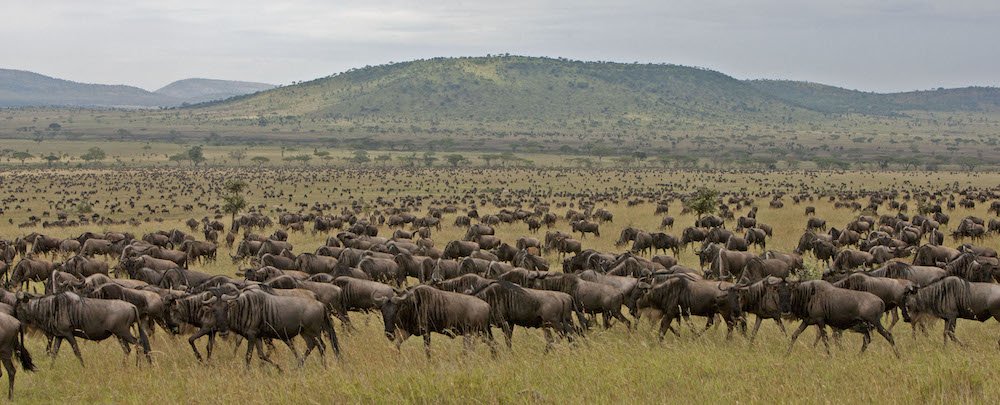 11-Day Serengeti Horizons & Zanzibar Private Safari Escape
$3,005per person
View safari
12-Day Tanzania Grand Safari & Zanzibar Luxury Beach Escape
$4,576per person
View safari
11-Day Serengeti & Zanzibar Private Safari Escape
$3,608per person
View safari
9-Day Tanzania Safari & Zanzibar Signature Private Escape
$2,574per person
View safari
11-Day Serengeti Horizons & Zanzibar Private Safari Escape
$3,005per person
View safari
12-Day Tanzania Grand Safari & Zanzibar Luxury Beach Escape
$4,576per person
View safari
11-Day Serengeti & Zanzibar Private Safari Escape
$3,608per person
View safari
9-Day Tanzania Safari & Zanzibar Signature Private Escape
$2,574per person
View safari
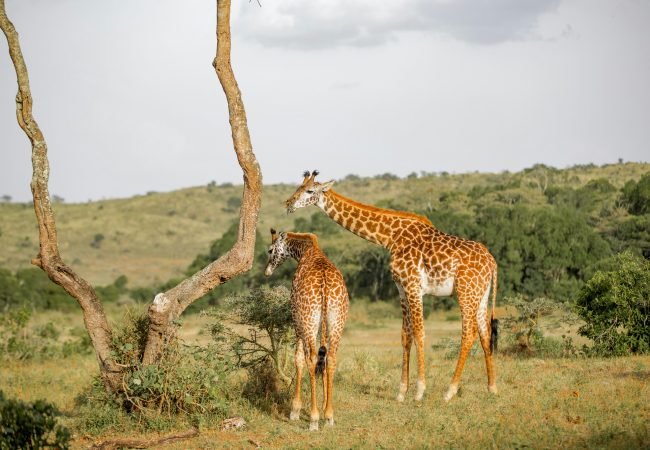 4-Day Zanzibar to Serengeti & Ngorongoro Luxury Fly-In Safari
$2,167per person
View safari
4-Day Zanzibar to Serengeti & Ngorongoro Luxury Fly-In Safari
$2,167per person
View safari