
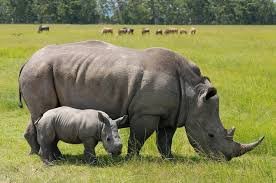
Tourism is what pays for conservation in Tanzania. Park fees fund the rangers, concession fees pay the communities who own the land around the parks, and camp jobs support extended families in villages with few other options. Coming here is, on balance, a good thing — but how you travel changes how good.
The practical parts are simple. Stay on the tracks; off-road driving destroys the grassland and stresses the animals, and we do not do it where it is prohibited no matter how good the sighting. Keep a respectful distance and never ask a guide to get closer than the rules allow — a guide who says no is doing their job. Take nothing out of the park, not a feather, not a bone, not a stone. Never feed anything.
Bring a refillable bottle; every camp has filtered water and single-use plastic bags have been banned nationwide since 2019, so leave them at home. Ask before photographing people. Buy crafts from the makers and the village co-operatives rather than the roadside resellers. And if you want to give something to a community, give it through the camp or the school rather than to children at the roadside, which drives them out of classrooms and into begging.